UN Mobilizes $50M to Help 84,000 Nepalis After Floods
After catastrophic floods devastated northern Nepal last week, the UN and humanitarian partners are delivering emergency aid to more than 84,000 people before winter arrives. From cash assistance to mobile medical clinics, relief workers are racing to help families rebuild.
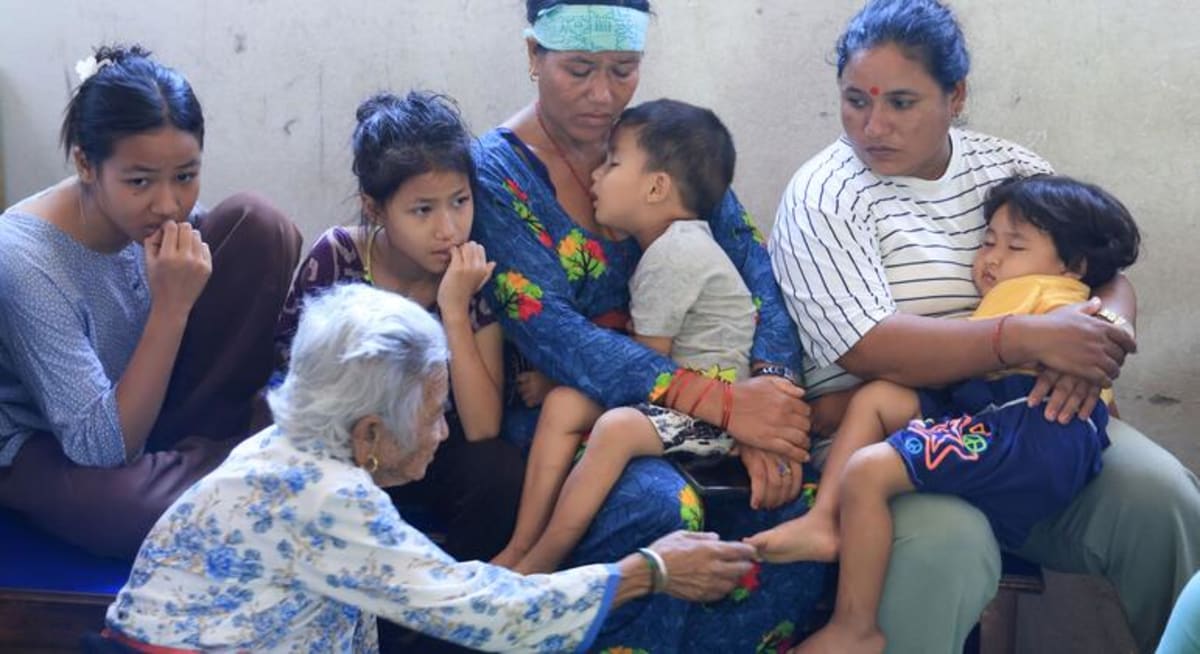
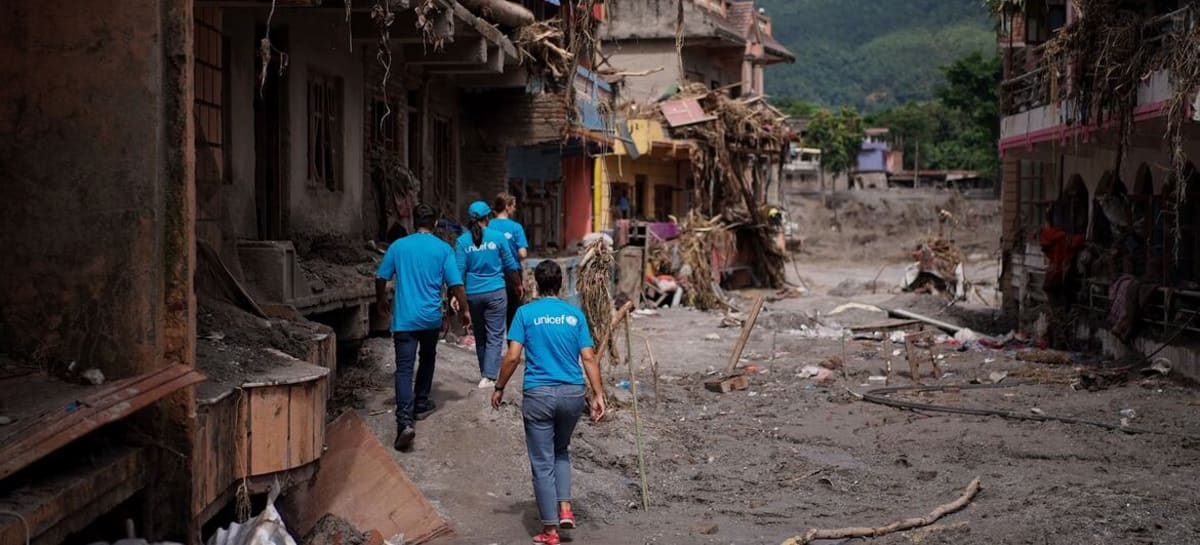
When floods swept through northern Nepal on August 26, they destroyed homes, schools, power grids and water systems across three regions in minutes. Now, a massive humanitarian effort is bringing hope to the 84,270 people who lost nearly everything.
The UN launched a $49.6 million emergency appeal on Friday to deliver critical support before winter makes mountain communities unreachable. Working alongside Nepal's government, relief teams are providing direct cash payments so families can buy what they need most, plus shelter materials, solar power units, and water purification systems.
"Working under the Government's leadership, this appeal will get cash, shelter, healthcare, clean water and protection to the hardest-to-reach communities before winter closes in," said Lila Pieters Yahia, the UN's Resident Coordinator in Nepal. The focus on cash assistance means families maintain dignity and choice while supporting local economies that need customers.
UNICEF isn't waiting for the full appeal to be funded. On Friday, a plane carrying 84 metric tonnes of supplies landed in Kathmandu, loaded with medical kits, water tanks, winter clothing and school materials for hundreds of thousands of people.
The children's agency has already set up child-friendly spaces where young survivors can play, learn and begin processing what happened. These safe zones come equipped with recreational materials and caring adults who understand childhood trauma.
Mobile medical clinics are now reaching remote villages to prevent disease outbreaks and treat injuries. Emergency teams are also helping farmers protect surviving livestock, which matters deeply in a country where agriculture represents nearly a quarter of the economy and half of that comes from animals.
The Ripple Effect
The speed of this response shows how far international disaster coordination has come. Within days of the crisis, multiple UN agencies coordinated with local authorities to assess needs, transport supplies to mountain regions, and establish services in the areas rescue teams identified as hardest hit.
The cash-first approach represents a shift in humanitarian thinking too. Rather than deciding what families need, aid workers are trusting survivors to make their own choices while simultaneously keeping money flowing through local shops and markets that also need to survive.
Alice Akunga, UNICEF's representative in Nepal, emphasized that the long recovery is just beginning. "Continued support is essential to help children recover, stay healthy, return to learning, and rebuild their lives in the weeks and months ahead," she said.
The emergency supplies already include diarrhea treatment kits and water purification systems because preventing illness matters as much as treating it. Power grids are being restored so families have light, refrigeration for food, and ways to charge phones that connect them to loved ones and information.
As rescue operations continue in the most remote areas, the humanitarian community is proving that even in the aftermath of disaster, organized compassion can reach people who need it most.
More Images
Based on reporting by UN News
This story was written by BrightWire based on verified news reports.
Spread the positivity!
Share this good news with someone who needs it