UN Moves to Protect 30 Migrating Fish Species Worldwide
The United Nations is taking action to save migrating freshwater fish after populations dropped 81% in 50 years. Thirty iconic species, including some found in UK rivers, will receive global protection under a treaty that's already brought other animals back from extinction.
After watching migrating fish populations plunge by four-fifths since the 1970s, the United Nations is stepping up with a coordinated rescue plan that could turn things around.
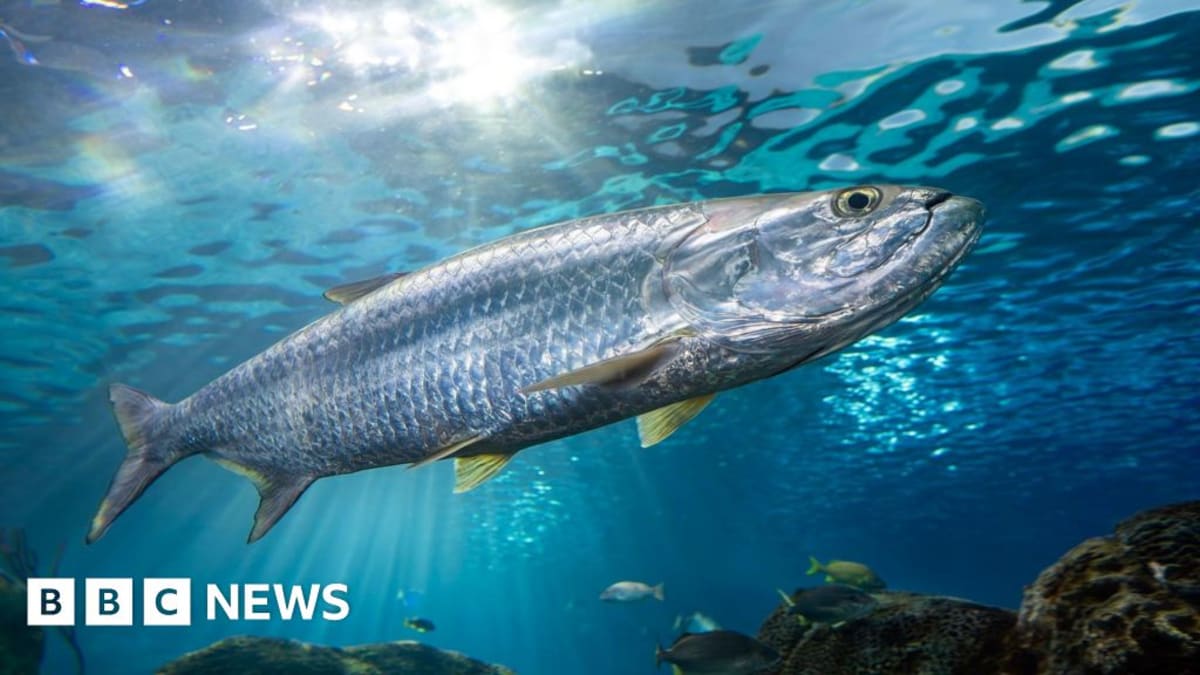
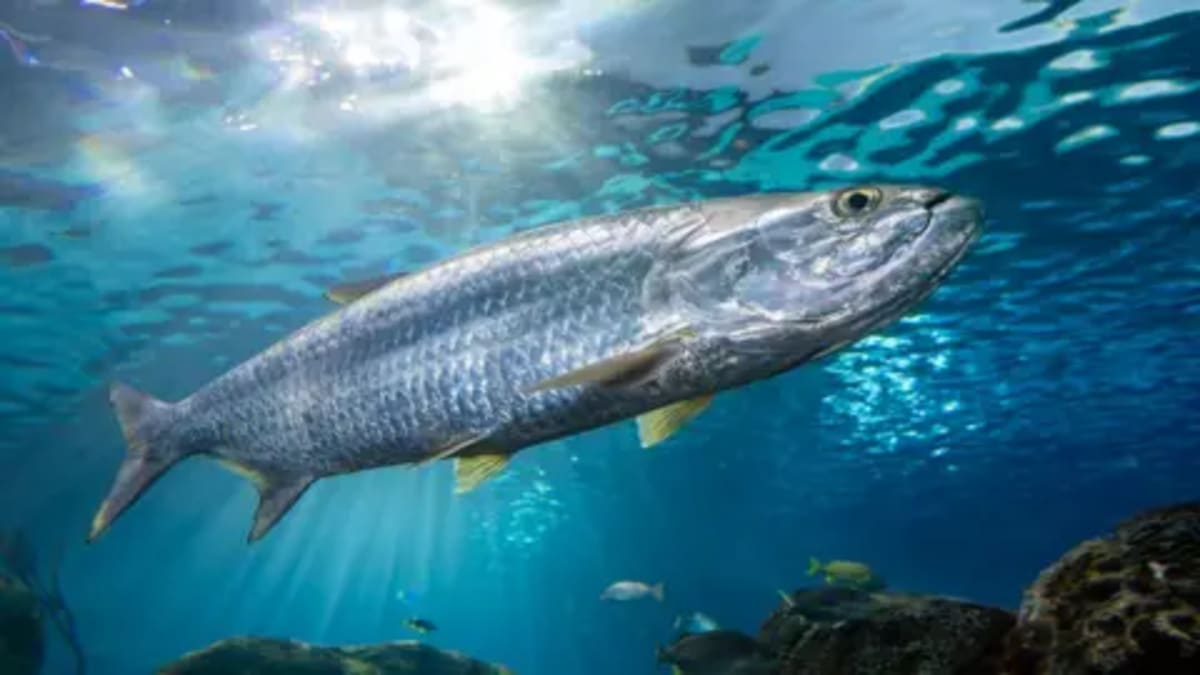
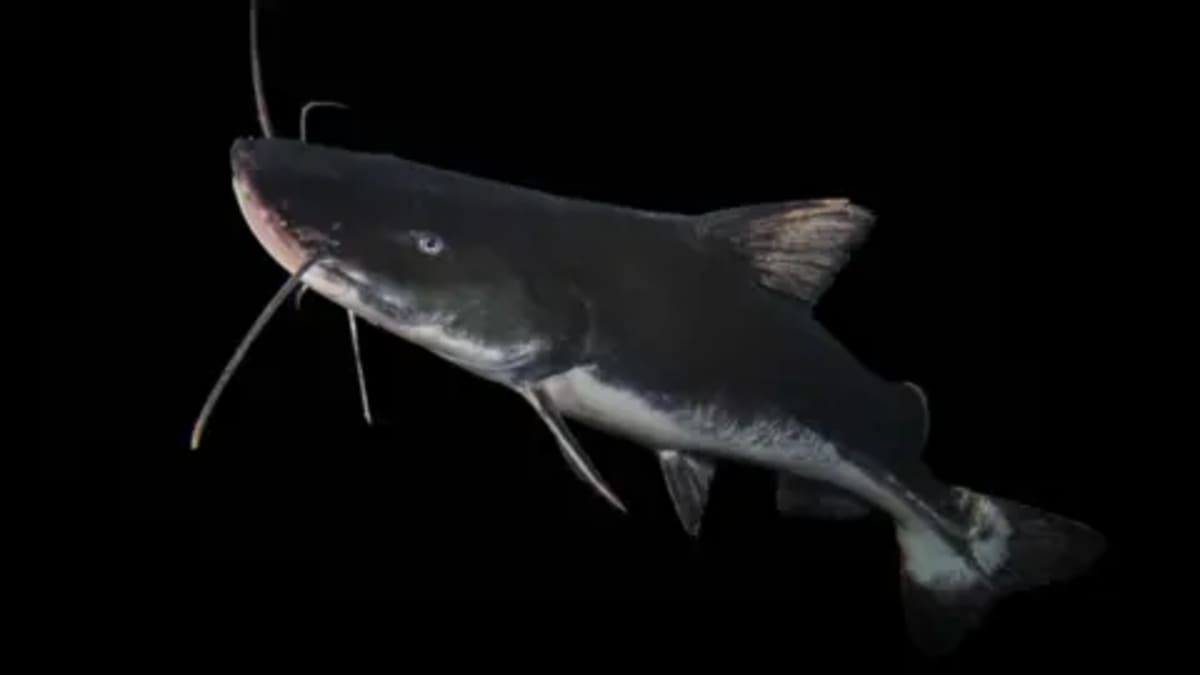
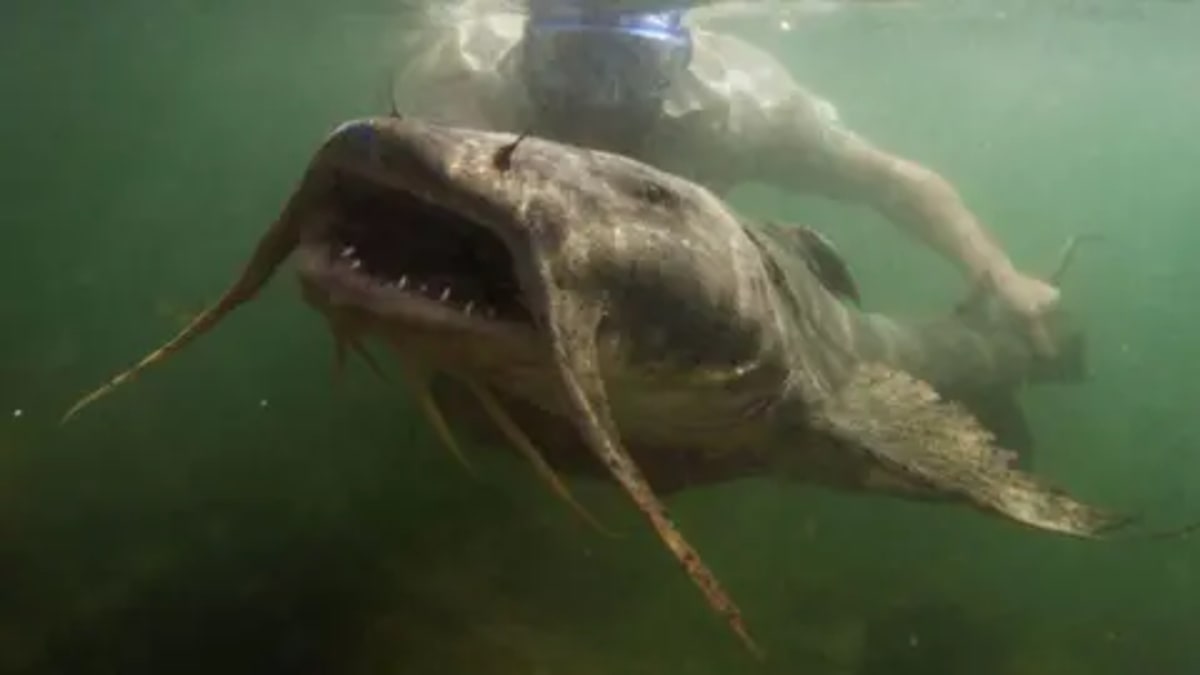
The UN just released a comprehensive report assessing over 15,000 species of freshwater migratory fish, creatures that travel incredible distances to breed and sustain communities worldwide. These fish feed 200 million people globally and include stunning diversity, from 650-pound catfish swimming 7,000 miles to golden dorado racing through South American rivers.
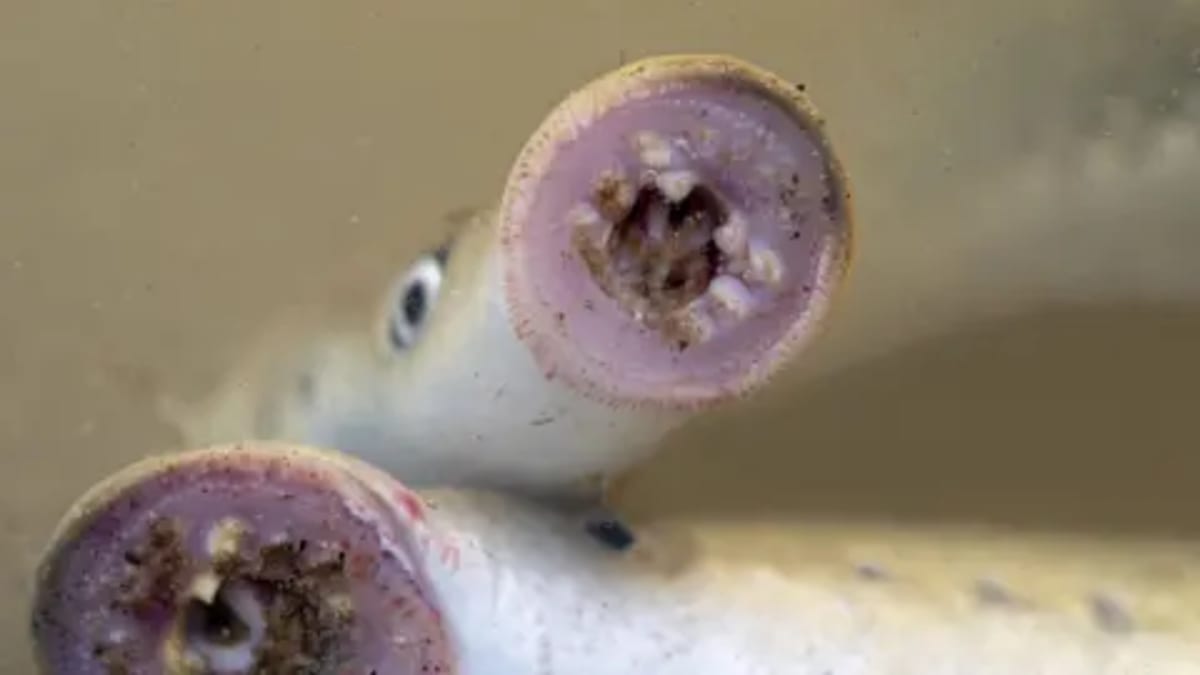
Now 30 priority species will be recommended for protection under a global treaty at the UN's meeting in three years. The list includes cultural icons like the golden mahseer, called "tiger of the river" in the Himalayas, plus four UK species: Allis Shad, River Lamprey, Brook Lamprey, and Atlantic Salmon.
Dr. Zeb Hogan, a biology professor at University of Nevada, Reno who co-authored the report, emphasized what's at stake. "Freshwater fish support hundreds of millions of people around the world, so for humans, they're very important," he said.
The main threats are surprisingly fixable. Dams block migration routes, pollution degrades water quality, and overfishing depletes populations before they can reproduce. In Europe, fish hit a barrier every single kilometer on average, often small weirs or culverts that serve no purpose and could be removed.
Michele Thieme from World Wildlife Fund US explained why migration matters so much. "Dams fragment a river system and can change the natural flow regime, which results in fish not being able to connect to their spawning habitats," she said.
The Bright Side
This conservation treaty has a proven track record of bringing species back from disaster. The Saiga antelope nearly went extinct in 2015 after a mass die-off event. Once listed under the Convention on the Conservation of Migratory Species, international anti-poaching teams formed and populations rebounded to over one million animals.
Amy Fraenkel, UN Executive Secretary for the convention, acknowledged that fish have been overlooked while big cats, whales, and dolphins got attention. That's changing now.
The key is getting countries to work together since these fish cross borders during their journeys. When governments coordinate on removing barriers, reducing pollution, and managing fishing sustainably, migrating fish can recover.
From giant catfish in the Amazon to lampreys returning to Yorkshire rivers, these ancient travelers are finally getting the global protection they need to thrive for generations to come.
More Images
Based on reporting by BBC Science
This story was written by BrightWire based on verified news reports.
Spread the positivity!
Share this good news with someone who needs it