UN Peacekeepers Aid 2,000 Civilians in South Lebanon
Despite deadly attacks and constant danger, 10,000 UN peacekeepers are staying in southern Lebanon to deliver food, medicine, and hope to 2,000 villagers who refuse to leave their homes. Their commitment shows how compassion persists even in the world's most dangerous places.
When gunfire echoes through southern Lebanon daily, 2,000 villagers near the Blue Line face an impossible choice: flee their homes or stay and risk everything. UN peacekeepers chose to stay with them.
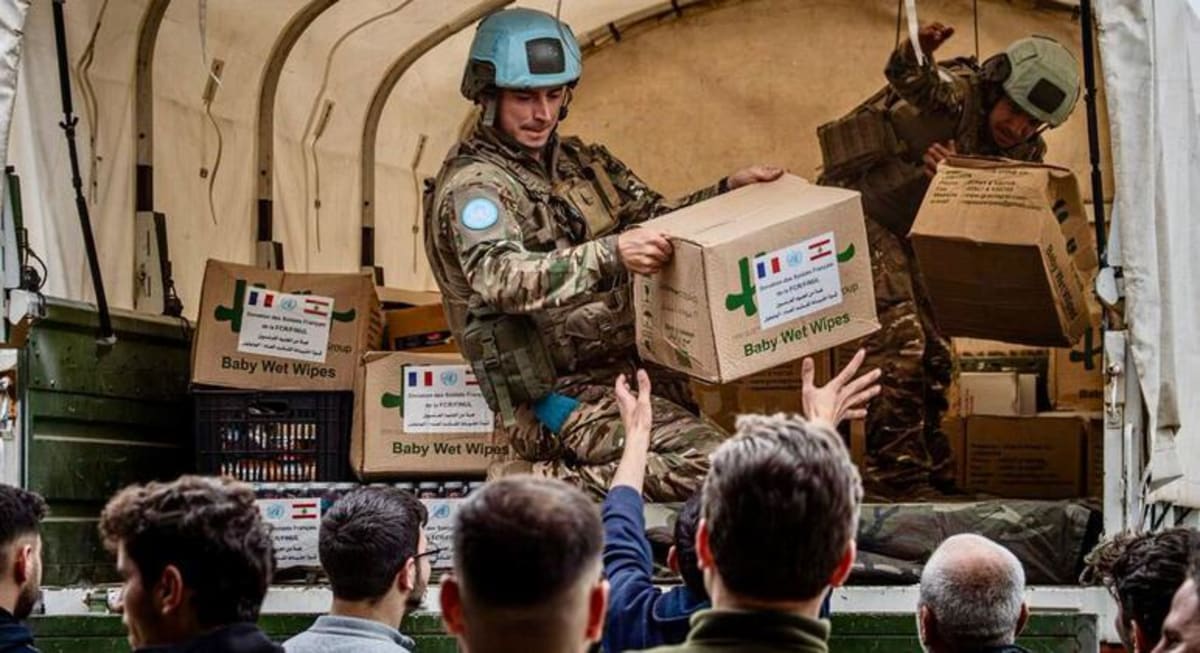
The 10,000 military personnel of UNIFIL (the UN Interim Force in Lebanon) continue their mission despite losing three colleagues in recent attacks. They coordinate humanitarian deliveries, conduct safety patrols, and help relocate civilians who request it.
"There are civilians who have chosen to stay and peacekeepers are supporting them in any way that we can," UNIFIL spokesperson Kandice Ardiel explained from the mission's headquarters in Naqoura. As she spoke to reporters, gunfire crackled in the background.
The villages sit trapped between conflict zones, increasingly cut off from the rest of Lebanon. Getting basic supplies like food, medicine, and hygiene items has become nearly impossible without help.
That's where the peacekeepers step in. They coordinate movements with humanitarian agencies, ensuring aid workers can safely reach isolated communities. Their presence on patrols provides reassurance to families determined to protect their homes.
The mission's own headquarters bears the scars of violence. Bullets, shrapnel, and rockets have damaged buildings throughout the compound. Yet the peacekeepers refuse to abandon their posts unless the UN Security Council changes their mandate.
Why This Inspires
In a world where danger often drives people away, these peacekeepers are running toward it. Their choice reflects a simple truth: some commitments matter more than personal safety.
The 2,000 villagers staying in southern Lebanon aren't naive about the risks. They're making a conscious decision to remain in their ancestral homes. The peacekeepers honor that choice by ensuring they don't face it alone.
Every supply delivery represents hours of coordination through dangerous territory. Every patrol means potential exposure to crossfire. Every day requires courage from both the civilians and those protecting them.
The partnership between peacekeepers and villagers shows resilience in its purest form. When communities refuse to be scattered by conflict, and when helpers refuse to leave them behind, hope finds a foothold even in violence.
Despite everything, the mission continues because the people it serves continue.
Based on reporting by UN News
This story was written by BrightWire based on verified news reports.
Spread the positivity!
Share this good news with someone who needs it