UN Peacekeepers Help Rebuild Villages in South Lebanon
After violence dropped in southern Lebanon, UN peacekeepers are helping thousands of returning families rebuild their destroyed villages. They're delivering medical supplies, fixing water systems, and removing dangerous unexploded bombs.
Families returning to southern Lebanon are finding hope amid the rubble, thanks to UN peacekeepers who've shifted their focus to rebuilding after weeks of reduced violence.
Since mid-June, the UN Interim Force in Lebanon (UNIFIL) has ramped up humanitarian work as residents stream back to their villages. Many found their homes destroyed and essential services like water and electricity shut down.
"The welcome reduction in violence allows our peacekeepers to do more of what we are here to do," said UNIFIL spokesperson Kandice Ardiel. That means ensuring aid convoys reach communities safely and helping restore the basics people need to survive.
In recent weeks, peacekeepers delivered critical medical equipment and emergency room supplies to Tibnin Governmental Hospital. They've also helped repair water infrastructure in dozens of towns and villages across the region.
Technical teams now move freely with UNIFIL support, fixing water networks, electricity systems, and telecommunications. Mobile medical clinics travel through areas that haven't seen healthcare in months.
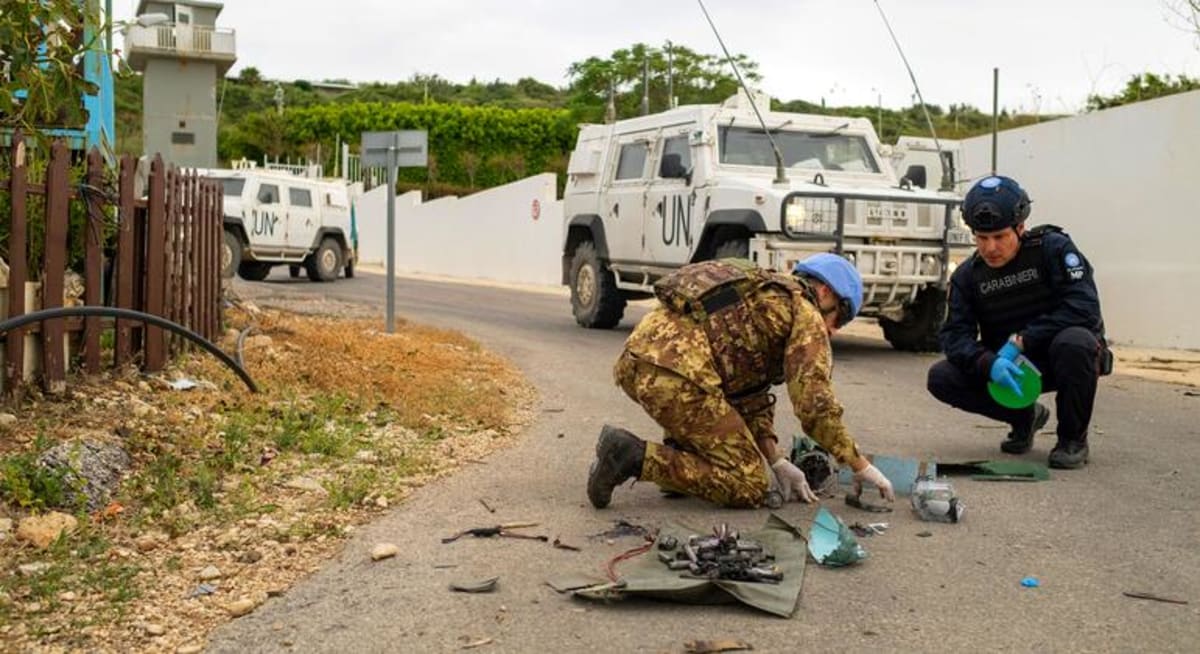
But one of the biggest dangers facing returning families isn't visible at first glance. Unexploded bombs, drones, and improvised explosive devices now litter the region after months of fighting.
Since violence escalated in March, UNIFIL peacekeepers have neutralized dozens of these deadly hazards. On Wednesday alone, Lebanese Armed Forces successfully disarmed several ordnances that peacekeepers discovered.
"Explosive hazards remain one of the most serious challenges facing returning communities," UNIFIL noted in a recent statement. The mission continues working with local authorities to clear these threats before they claim innocent lives.
The Ripple Effect
This rebuilding effort represents more than just fixing infrastructure. When water flows again and hospitals reopen, children can return to school and parents can get back to work. Communities that were scattered can reunite and start healing.
The peacekeepers' work also creates space for the broader peace process to continue. Israel and the Lebanese government have engaged in peace talks since June, building on the fragile calm that's allowed families to come home.
Every repaired water line and cleared explosive device strengthens the foundation for lasting peace in a region that's seen too much conflict.
As villages slowly come back to life, UNIFIL peacekeepers continue their daily work alongside local communities, turning destruction into the first signs of recovery.
Based on reporting by UN News
This story was written by BrightWire based on verified news reports.
Spread the positivity!
Share this good news with someone who needs it