UN Police Summit Spotlights Community-Centered Peacekeeping
Nearly 4,500 UN police officers from 80 countries are gathering this week to strengthen peacekeeping through community-focused policing that rebuilds trust after conflict. Their work proves that lasting peace requires more than silencing weapons.
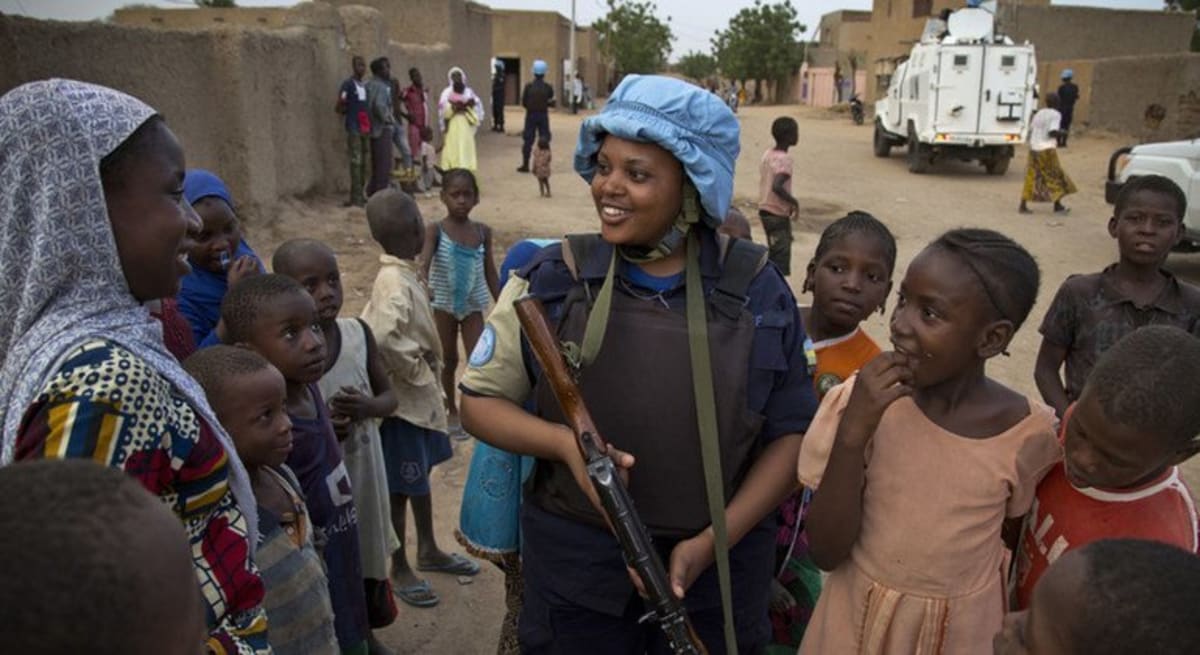
Peace doesn't just mean the end of gunfire. It means children walking safely to school, families trusting their local police, and communities healing together after conflict.
That's the message from UN leaders as police chiefs from around the world meet in New York this week for a two-day summit on the future of peacekeeping. Nearly 4,500 UN police officers currently serve across seven missions in some of the world's most challenging environments.
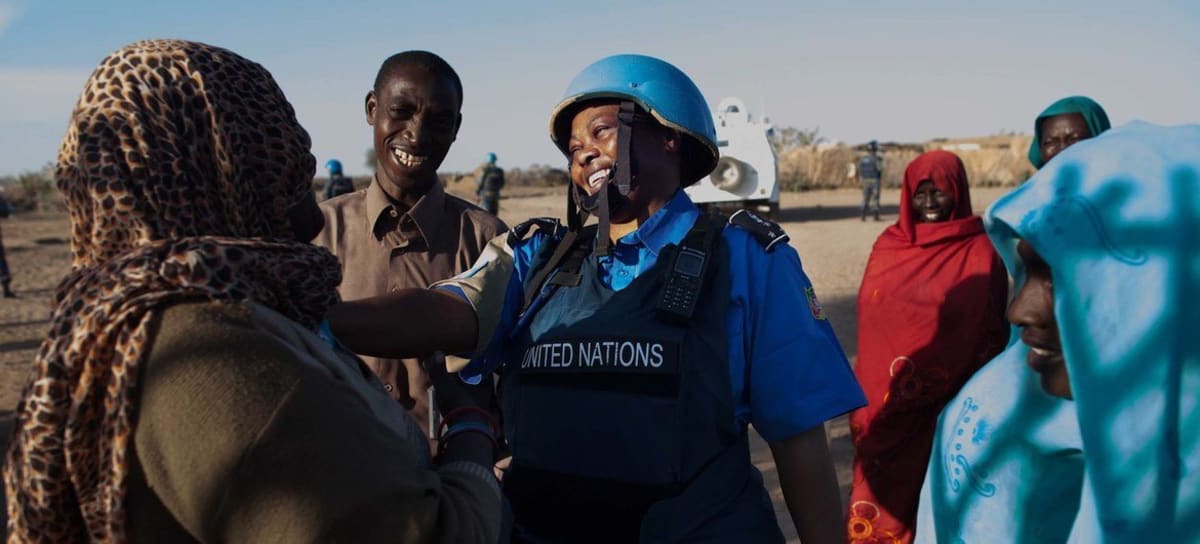
Unlike military peacekeepers, UN police work directly inside communities. They train local officers, rebuild criminal justice systems, and help restore public trust in institutions shattered by war. Their work tackles everything from organized crime to election security to gender-based violence.
The results speak for themselves. In the Democratic Republic of the Congo, UN police run integrated patrols that turn emergency calls into real help for civilians in danger. In the Central African Republic, they've helped prepare national authorities to run safe elections. In Abyei, community policing and dialogue have cooled tensions between rival groups while bringing more women into local security decisions.
Women now represent nearly 22 percent of all UN police personnel, up from just a handful in earlier decades. Since the first UN police deployed to the Congo in 1960, these officers have become essential to sustainable peace in conflict zones from Cambodia to El Salvador.
The Ripple Effect
When UN police strengthen local institutions, the benefits multiply across entire societies. Communities gain the confidence to report crimes and seek justice. Local police learn modern techniques they can sustain long after peacekeepers leave. Trust grows between citizens and the officers meant to protect them.
That foundation of safety allows everything else to follow. Displaced families can return home. Markets reopen. Schools fill with students. Justice systems begin functioning again.
UN Police Adviser Faisal Shahkar put it simply: "For communities affected by conflict, peace is the ability to return home, send children to school, report violence, access justice, and trust the institutions meant to protect them."
This week's summit will explore how technology and stronger partnerships can help UN police respond to emerging threats that cross borders. Budget challenges from delayed member state payments have reduced some operations by 25 percent, but the commitment to community-centered policing remains strong.
Since 1948, 321 UN police officers have given their lives in service of peace. Their legacy continues in every community where trust replaces fear and justice replaces chaos.
More Images

Based on reporting by UN News
This story was written by BrightWire based on verified news reports.
Spread the positivity!
Share this good news with someone who needs it