UN Report: Global Cooperation Brought Big Environmental Wins
Despite global tensions, countries worked together in 2025 to achieve major environmental victories that will improve health and boost economies. From stopping massive methane leaks to protecting ocean areas larger than New York state, international teamwork proved it still works.
Even when nations disagree on many things, they came together last year to score real wins for the planet and people everywhere.
The UN Environment Programme released its 2025 annual report this week, showing how countries cooperated to tackle environmental challenges despite ongoing geopolitical tensions. The results prove that protecting nature pays off in dollars, lives saved, and people lifted out of poverty.
One of the biggest achievements came from space. UNEP's satellite system detected methane leaks from oil and gas sites in 36 countries, spewing pollution equivalent to leaving thousands of cars running nonstop. Governments fixed at least 19 major leaks that had been pumping out 1,200 tonnes of methane every single day.
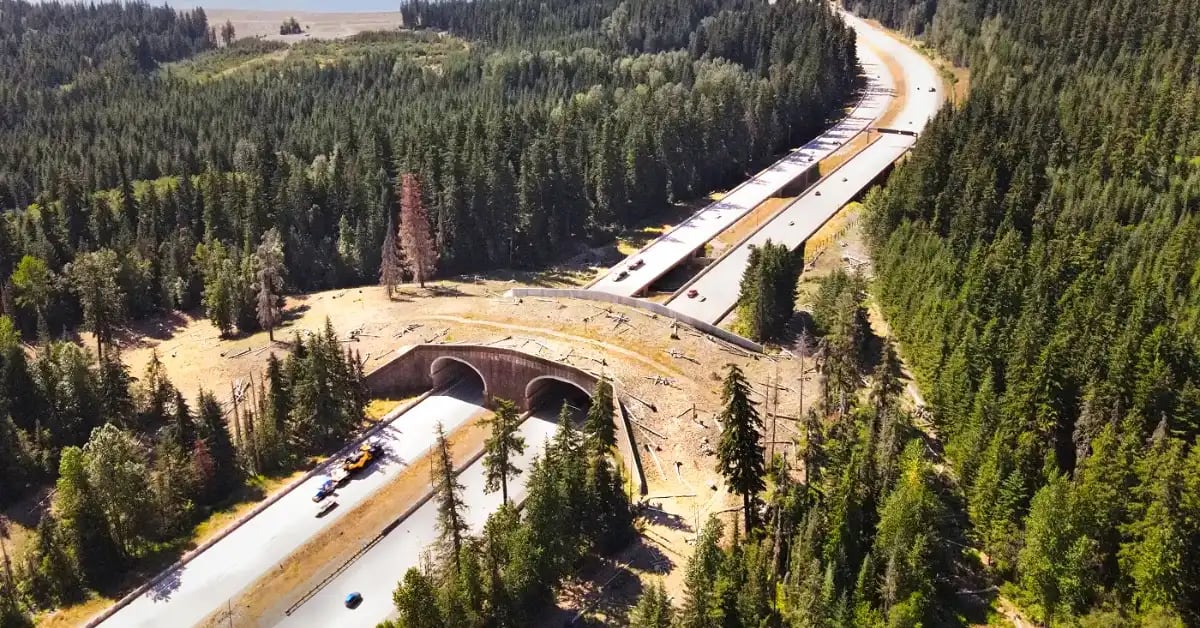
Countries also protected over 170,000 square kilometers of natural spaces. That's an area bigger than New York state, and it will directly benefit 2.3 million people who depend on healthy lands and waters.
A new international panel was created after three years of negotiations to help governments fight pollution and waste with solid science. Think of it like the climate change panel, but focused on chemicals and trash threatening communities worldwide.
At the UN Environment Assembly, nations adopted 11 resolutions tackling everything from wildfire prevention to protecting coral reefs. They even addressed how to use artificial intelligence sustainably and manage the minerals needed for clean energy.
The Ripple Effect: UNEP Executive Director Inger Andersen pointed out something powerful about these wins. They happened because environmental cooperation became "the beacon that rises high above the fog of geopolitical differences." When countries focus on shared challenges like clean air and water, political disagreements fade into the background.
The economic case for environmental action is stronger than ever. UNEP's research found that smart environmental policies could add trillions of dollars to the global economy while preventing millions of premature deaths and helping hundreds of millions escape poverty and hunger.
World Environment Day 2025 sparked over 3,000 events across 155 countries, with communities everywhere sharing solutions to plastic pollution. A record 106 countries contributed funding to support this global environmental work, enabling UNEP to operate in 151 nations.
The challenges ahead remain serious, but 2025 proved that nations can still unite around protecting the home we all share.
Based on reporting by Google: cooperation international
This story was written by BrightWire based on verified news reports.
Spread the positivity!
Share this good news with someone who needs it