UN Report Shows Housing Solutions Working in 7 Countries
Billions lack adequate housing, but new UN research reveals what's working. From Brazil's upgraded favelas to Thailand's community-led projects, countries are solving housing crises without displacing residents.
Instead of bulldozing favelas or evicting slum residents, governments are discovering something better works: letting people stay while making their homes safer, greener, and stronger.
A groundbreaking UN report released Tuesday reveals that up to 3.4 billion people worldwide lack adequate housing. But hidden within that stark number are success stories from Thailand to Jordan, Brazil to Germany, where new approaches are quietly transforming lives.
The report from UN-Habitat, launched at the World Urban Forum in Baku, Azerbaijan, showcases real solutions that respect communities rather than displacing them. In Thailand's Baan Mankong program, residents of informal settlements receive infrastructure funding and help securing land agreements, allowing them to upgrade homes without relocating.
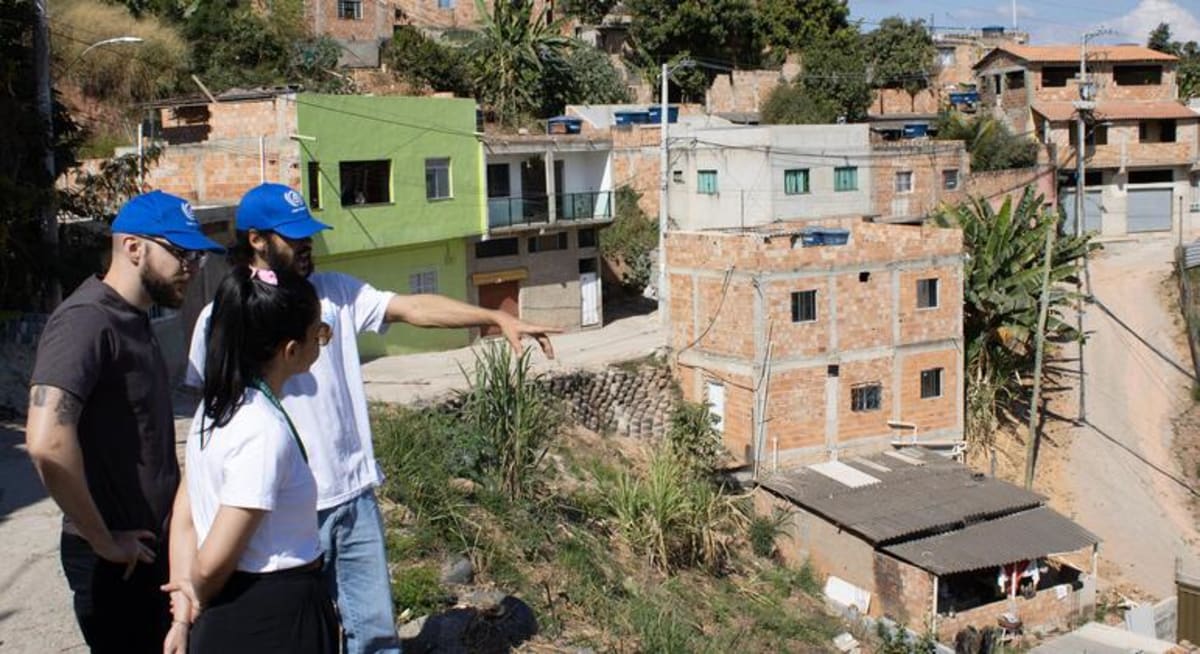
Brazil has shifted away from eviction policies that once deepened poverty. Now favelas in São Paulo get housing improvements, Recife gets drainage projects, and Rio's Complexo do Alemão got a cable car, all while residents stay put.
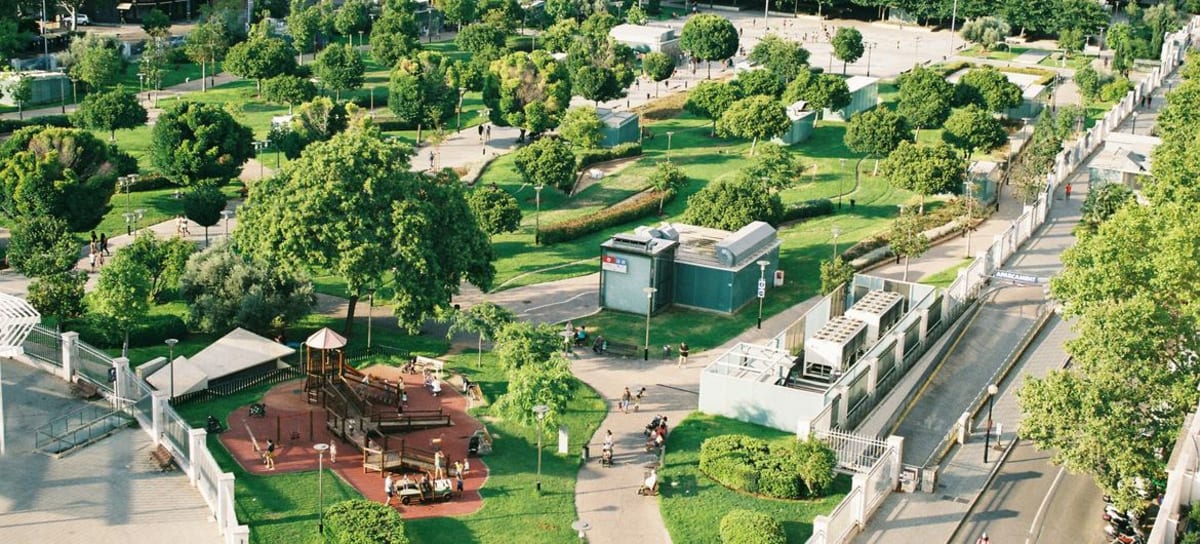
In Amman, Jordan, a large open space near the Al-Hussein refugee camp became a climate-resilient park serving both refugees and host communities. The project shows how cities can ease tensions while improving everyone's quality of life.
UN-Habitat Executive Director Anacláudia Rossbach says adequate housing represents "one of the most powerful entry points for accelerating sustainable and inclusive development." The organization is helping governments develop housing policies, coordinate international cooperation, and support community-led projects.
The Ripple Effect
These housing wins create waves far beyond shelter. When communities upgrade in place, children stay in familiar schools, workers keep their jobs, and social networks remain intact.
The climate benefits matter too, since buildings account for 37 percent of global greenhouse gas emissions. Better housing means better climate resilience, especially for the 1.1 billion people living in informal settlements and slums who face the harshest impacts of extreme weather.
Germany's rent controls are steadying markets while refugees globally gain access to services and jobs through inclusive urban planning. The report shows that treating housing as a human right rather than just a market commodity creates better outcomes for everyone.
The UN's role connects local experience with global solutions, bridging humanitarian response and long-term urban development. For the 123 million people forcibly displaced by conflict, violence, and persecution by the end of 2024, this approach offers hope beyond temporary camps.
With the right tools and political will, the report argues, easing the global housing crisis affecting billions may actually be within reach.
More Images
Based on reporting by UN News
This story was written by BrightWire based on verified news reports.
Spread the positivity!
Share this good news with someone who needs it