UN Rescues 11,000 Stranded Sailors After Peace Deal
More than 11,000 seafarers trapped in the Gulf for months are finally heading home after a peace agreement reopened the Strait of Hormuz. The UN-led operation marks the end of a humanitarian crisis that left thousands stuck at sea.
After months stranded at sea, more than 11,000 sailors are finally getting the lifeline they've been waiting for.
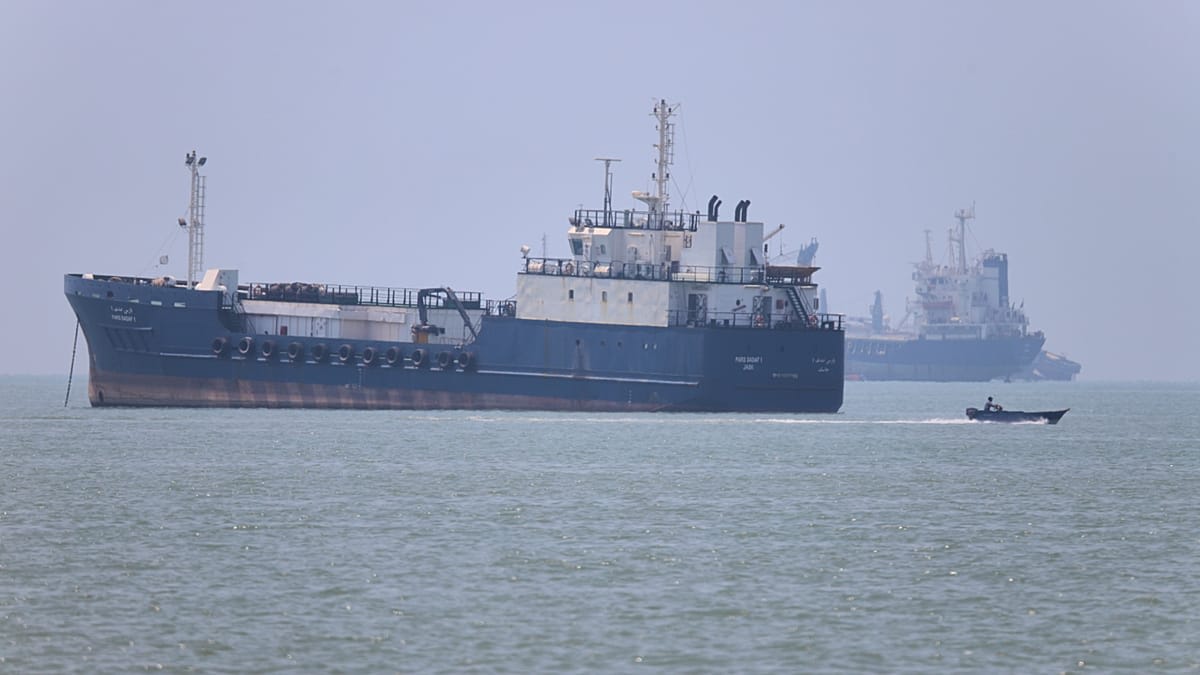
The United Nations announced Tuesday it will evacuate thousands of seafarers who've been trapped in the Gulf since February, when conflict closed the Strait of Hormuz. These crew members have been unable to leave the region, stuck on vessels caught in the crossfire of a conflict that shut down one of the world's most vital shipping routes.
The rescue mission became possible thanks to a peace agreement between the United States and Iran that ended months of tension and reopened the strait. Commercial ships are already moving through the waterway again, with 36 vessels passing through Monday alone, the highest traffic since the conflict began.
The International Maritime Organization is coordinating the complex evacuation with Iran, Oman, other coastal nations, and the shipping industry. Two temporary routes through the strait will guide vessels to safety, with each ship receiving individual navigation instructions.
"We have secured the necessary safety guarantees and have thoroughly verified the conditions for safe navigation," said IMO Secretary-General Arsenio Dominguez. The organization worked closely with regional partners to ensure every sailor can return home safely.
The closure devastated global trade, driving up oil prices and disrupting shipments of energy and fertilizer worldwide. But the human cost hit hardest. Thousands of ordinary workers found themselves trapped far from home, waiting helplessly as diplomatic negotiations dragged on.
The Ripple Effect
The reopening does more than free stranded sailors. It restores a shipping lane that carries nearly one-third of the world's seaborne oil traffic. Lower-income countries that depend on affordable fuel and fertilizer imports will see relief. Families separated for months will reunite. Port workers and support staff can return to their jobs.
The peace agreement signals something even bigger: proof that diplomatic solutions can end conflicts that seem impossible to resolve. When nations choose negotiation over escalation, real people benefit. In this case, 11,000 of them.
Dominguez called the deal "a decisive step towards restoring maritime security and bringing to an end the unacceptable attacks against civilian shipping." His words reflect relief felt across the global maritime community.
Ships are already sailing through waters that were closed just weeks ago. Families are preparing welcome-home celebrations. And thousands of sailors who wondered if they'd ever leave are finally seeing a path home.
Based on reporting by Euronews
This story was written by BrightWire based on verified news reports.
Spread the positivity!
Share this good news with someone who needs it