UN Study Links Indigenous Health to Environmental Protection
Indigenous leaders are pushing the United Nations to recognize that protecting their health means protecting their land, water, and traditional ways of life. A groundbreaking study shows that separating health care from environmental rights has consistently failed Indigenous communities worldwide.
When the land is sick, the people are sick. That's the message Indigenous leaders delivered at the United Nations this week, backed by new research showing that conventional approaches to Indigenous health have missed the point entirely.
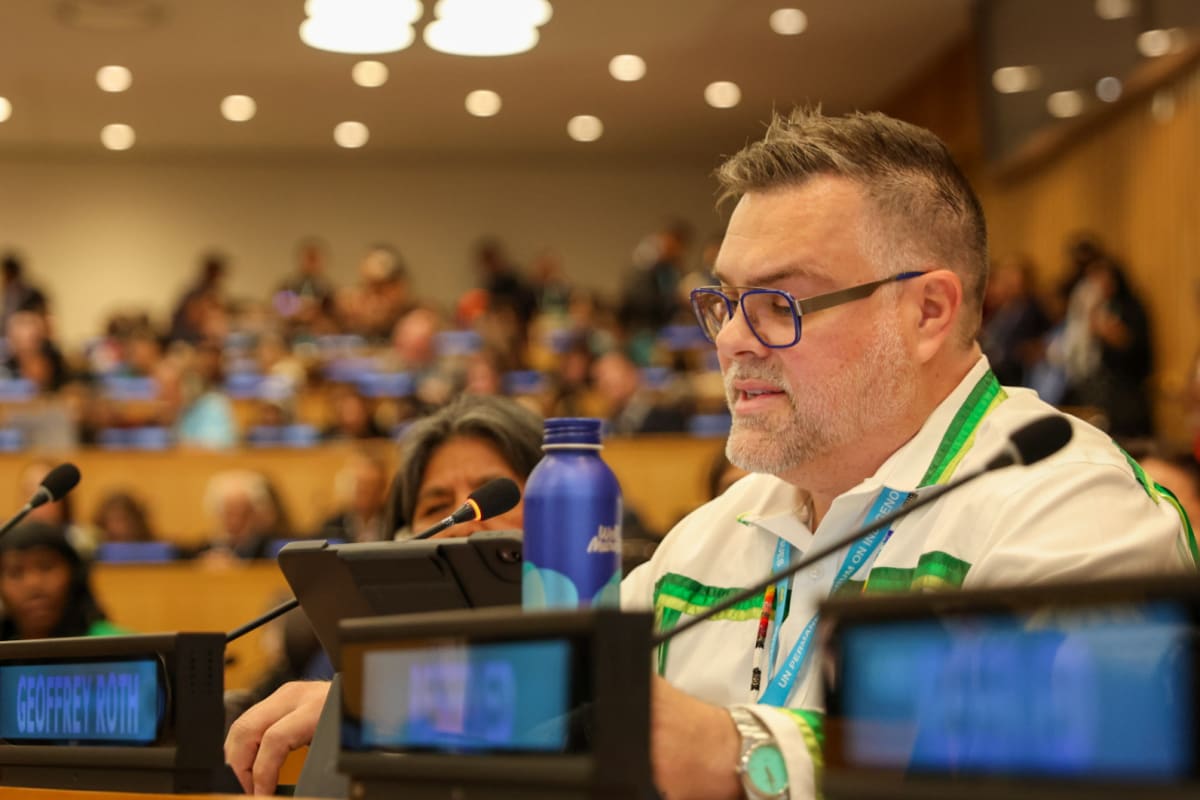
Geoffrey Roth, a Standing Rock Sioux descendant and former UN forum member, presented a study revealing how agencies have failed Indigenous peoples by treating health, environment, and land rights as separate issues. For Indigenous communities, these cannot be separated.
"For Indigenous Peoples, health is deeply tied to the health of the land," Roth explained. "It's not just about access to clinics or medicine. It's about clean water, healthy forests, traditional foods, and the ability to maintain cultural practices."
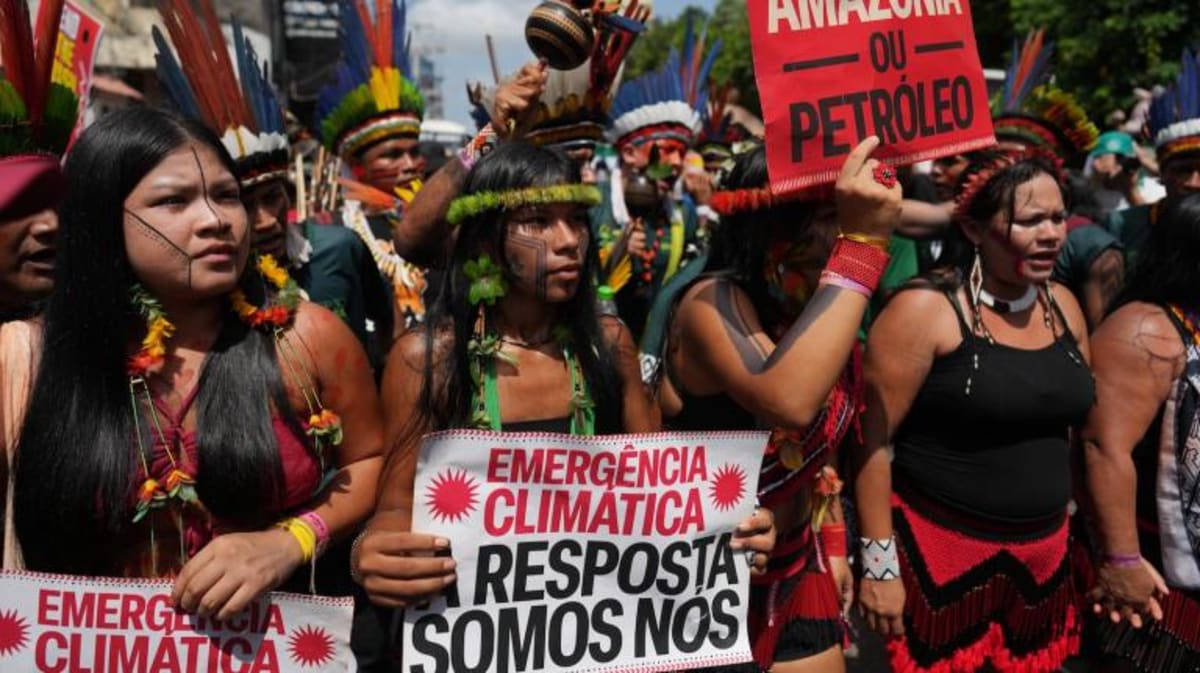
The evidence is stark. In Brazil's Munduruku territory, illegal mining has left Indigenous people suffering from mercury poisoning, causing everything from childhood paralysis to brain damage. In Alaska, coastal villages are being forced to relocate as permafrost melts, cutting communities off from traditional food sources and ancestral practices.
Minnie Grey, former executive director of health services in northern Canada, highlighted the urgent threat to Arctic peoples. "We need the ice, we need the snow and we need the wildlife that depend on it," she said. "Our hunters and people rely on these animals that sustain our food systems and nutrition."
The climate crisis is driving mental health consequences too. Researchers are documenting rising rates of depression, substance abuse, and new diagnoses like "ecological grief" and "climate anxiety," especially among Indigenous youth watching their ancestral ecosystems disappear.
The Ripple Effect
The study's findings could reshape how international agencies approach Indigenous wellbeing globally. By recognizing that environmental damage directly causes health crises in Indigenous communities, the UN could finally coordinate efforts across sectors rather than treating symptoms in isolation.
For some communities, the stakes couldn't be higher. Indigenous lawyer Ginny Alba Medina pointed out that for peoples living in voluntary isolation, external intrusion can trigger lethal epidemics. "Allowing extractive activities or armed presence in their territories poses an immediate threat to their physical and cultural survival," she said.
Roth's research shows that armed conflicts over natural resources disproportionately affect Indigenous peoples, leading to displacement, cultural erosion, and intergenerational health crises that compound existing inequalities.
The solution requires a fundamental shift. "You cannot improve Indigenous health in isolation," Roth emphasized. "It requires aligning efforts across sectors and supporting Indigenous leadership."
Indigenous communities have been saying this for generations, and now the data proves them right.
More Images

Based on reporting by Grist
This story was written by BrightWire based on verified news reports.
Spread the positivity!
Share this good news with someone who needs it