UN Tax Treaty Could Make Fossil Fuel Firms Pay for Damage
Countries worldwide are pushing for a groundbreaking UN tax treaty that would make fossil fuel companies pay for climate damage and ensure the ultra-rich contribute their fair share. The framework could generate trillions for climate recovery and prevention.
Fossil fuel companies might soon face the bill for the climate damage they've caused, thanks to a bold new UN tax treaty under negotiation.
Dozens of countries are gathering at UN headquarters in New York to hammer out details of the Framework Convention on International Tax Cooperation. The treaty could force oil and gas companies to pay for their environmental impact while establishing a global wealth tax on the ultra-rich.
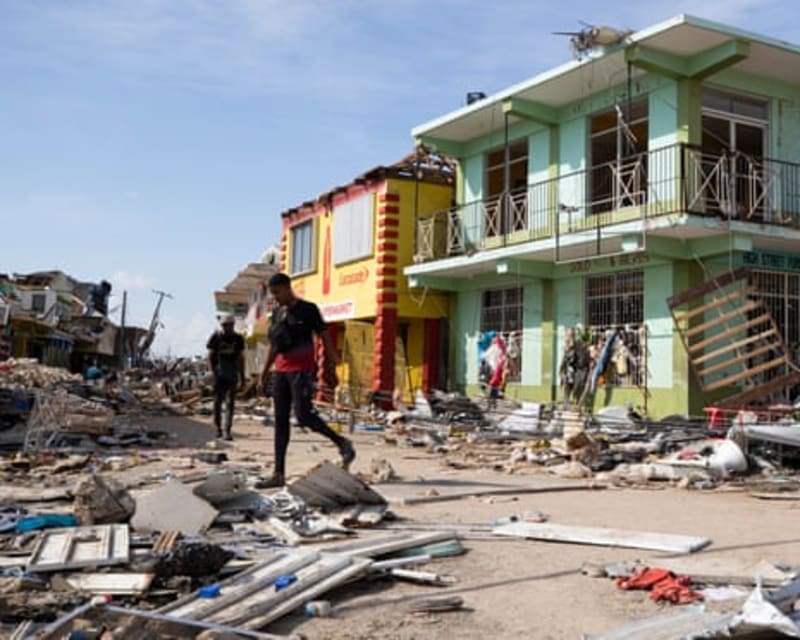
The stakes are real for vulnerable nations. Jamaica's lead negotiator Marlene Nembhard Parker explained that Hurricane Melissa wiped out 40% of her country's GDP overnight. She's pushing for stronger language linking environmental taxation directly to climate change responsibility.
The numbers tell a compelling story. A 20% surtax on the 100 biggest fossil fuel producers would have generated over $1 trillion in the decade since the Paris climate agreement. Meanwhile, an annual wealth tax of up to 5% on the ultra-rich could raise $1.7 trillion yearly.
The treaty faces headwinds from wealthy nations. The US has withdrawn from talks, and some rich countries argue tax discussions belong in the OECD rather than the UN, where all nations have equal voice. Current draft language has been watered down, with specific proposals on taxing fossil fuel profits becoming vaguer and plans for a global asset registry removed entirely.
But developing countries aren't backing down. They're calling for explicit commitments rather than vague promises, especially as climate disasters intensify worldwide.
The Ripple Effect
Success here could transform climate justice globally. Countries currently lose $492 billion annually as corporations and wealthy individuals exploit tax havens. Oil and gas companies have raked in hundreds of billions in profits recently, particularly after Russia's invasion of Ukraine spiked energy prices.
For small island nations like Tuvalu, the treaty represents existential hope. "The responsibility lies with the world's biggest polluters," said Tapugao Falefou, Tuvalu's UN representative. "The fossil fuel industry and the super-rich continue to increase their wealth while we try to keep our heads above water."
Individual countries struggle to tax extractive industries or impose wealth taxes alone, fearing companies and billionaires will simply relocate. A coordinated global approach could eliminate that escape route while funding climate resilience in nations that need it most.
The UK has recently shifted toward supporting these negotiations, endorsing the "polluter pays" principle. A Treasury spokesperson confirmed Britain's commitment to "inclusive and effective international tax cooperation."
If countries can finalize details, the treaty could be adopted by the end of next year, marking a historic shift in who pays for climate damage and how wealth inequality gets addressed on a global scale.
More Images



Based on reporting by Guardian Environment
This story was written by BrightWire based on verified news reports.
Spread the positivity!
Share this good news with someone who needs it