UN Trains Ghana Responders to Help Flood Victims
When floods cut off entire communities in Ghana's Keta Municipality, UN agencies stepped in to train disaster teams on better data collection so relief can reach those who need it most. The collaboration between UNICEF, WHO, and local responders is strengthening how Ghana responds to natural disasters.
When floodwaters rose so high they completely cut off roads to some villages in Ghana's Keta Municipality, international aid groups knew they needed better information to help. So UNICEF and the World Health Organization joined forces with Ghana's National Disaster Management Organisation to train local responders in smarter ways to collect data from flood victims.
The training came at a critical moment. Communities like Aborlove-Nolopi, Anyako, and Konu were struggling with rising waters that disrupted schools, fishing livelihoods, and daily life. One community, Seva, became completely unreachable after floods washed out the only connecting road.
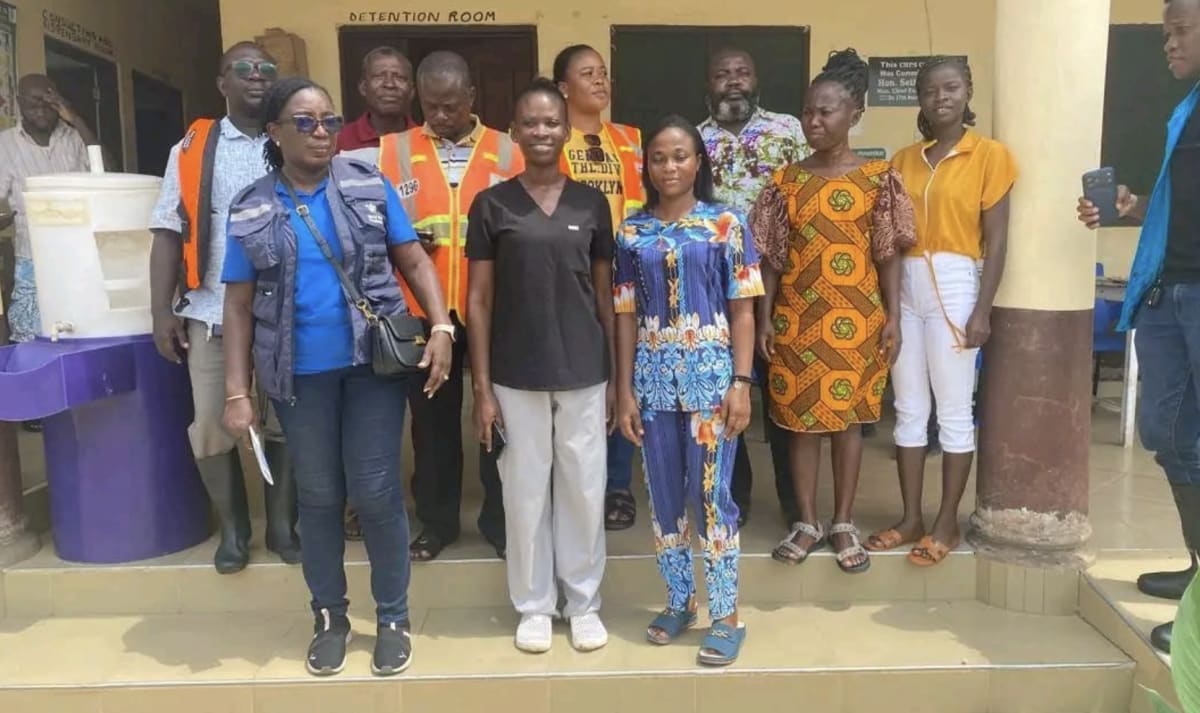
NADMO's Keta Municipal Director, Wonder Setsoafia Deynu, led teams through the training and then into affected areas to practice their new skills. They spoke with community leaders, women's groups, schoolchildren, and fishermen to understand exactly how the flooding had changed their lives.
Assembly Member Simon Awadzi briefed the delegation on ongoing challenges facing residents. Former Assembly Member Bonodi shared insights about how flooding has affected the region over time, helping the team understand patterns that could guide future preparation.
The hands-on approach meant responders learned to gather the specific information needed to deliver the right kind of help. Instead of guessing what communities need, teams now have techniques to ask the right questions and document answers that lead to effective aid delivery.
The Ripple Effect
This training represents more than just a one-time response to flooding. By equipping local NADMO staff with professional data collection methods, UNICEF and WHO are building Ghana's long-term capacity to respond to disasters more effectively.
The skills these responders learned will serve communities far beyond this single flood event. Better data means faster relief, more accurate resource allocation, and stronger relationships between aid organizations and the people they serve.
NADMO volunteer Eric Kwaku Dormenyeku earned special recognition for helping facilitate community conversations in Anyako. His work showed how local volunteers can bridge the gap between international organizations and residents who need help.
The collaboration drew praise from UNICEF and WHO representatives, who encouraged NADMO personnel to maintain strong community engagement. They emphasized that data-driven assessments lead to better outcomes for flood victims across all affected areas.
NADMO reaffirmed its commitment to reaching every community, including those currently cut off by floodwaters, as teams work to deliver relief supplies where they're needed most.
Based on reporting by Myjoyonline Ghana
This story was written by BrightWire based on verified news reports.
Spread the positivity!
Share this good news with someone who needs it
%2Ffile%2Fattachments%2Forphans%2F51Momandboy_441858.jpg)