UN Uses Football to Break Mental Health Stigma for Youth
When men at a Saudi therapy workshop struggled to open up, they started by drawing football jerseys. Those sketches became conversations about anxiety, proving sport can unlock mental health discussions that traditional approaches can't.
Dr. Sahira Al Nahari noticed something powerful at her art therapy workshops in Saudi Arabia. Men who felt uncomfortable discussing their feelings would begin by sketching football jerseys and favorite teams, then gradually open up about their everyday anxieties.
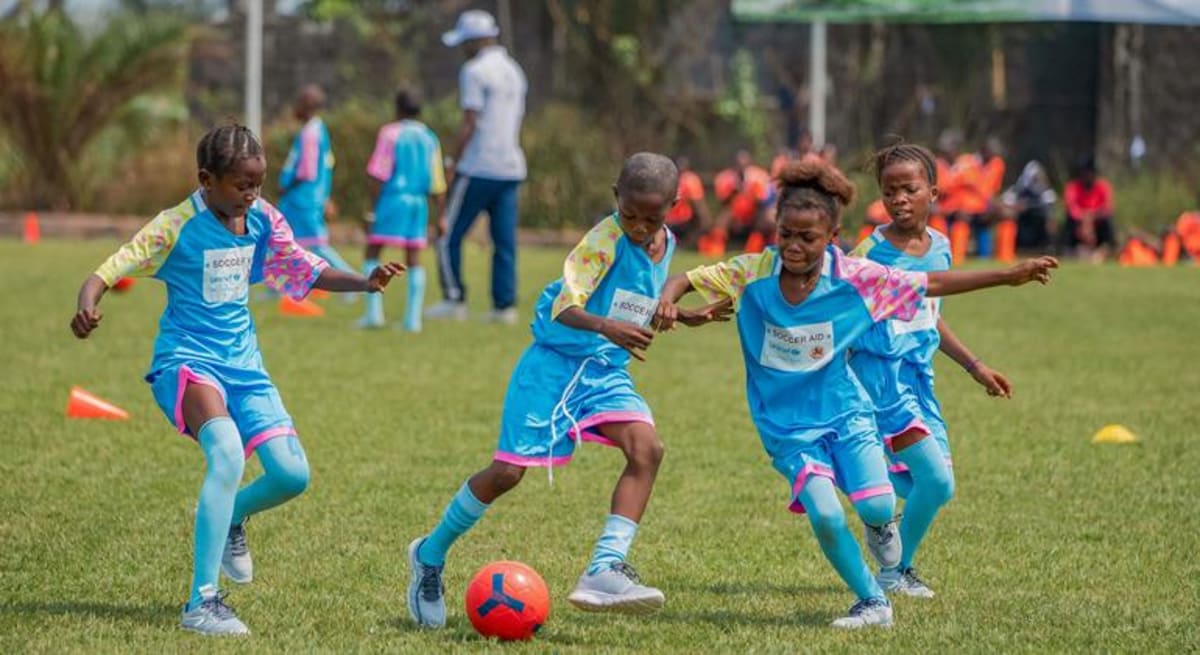
Her discovery led to a new approach that the UN is now championing. Just days before the Men's World Cup final in New Jersey, the UN Youth Office is hosting an event celebrating football as a catalyst for youth mental health.
The timing couldn't be more urgent. A February UN report found that one in seven people aged 10 to 19 has a mental health condition, and 75 percent of adult mental health issues were already present by age 25. Depression among young people has increased in recent years.
"On the field, absolutely no one wins alone," Dr. Al Nahari said at UN Headquarters this week. "Players depend on a whole ecosystem: defenders, midfielders, coaches, medics and fans in the stands. When we approach youth mental health, we require the exact same ecosystem."
The World Health Organization found that playing team sports is associated with lower rates of depression and anxiety, regardless of country. Football, as the world's most popular sport, offers unique advantages because it serves as a universal language that creates belonging and social connection.
UN Assistant Secretary-General for Youth Affairs Felipe Paullier explained why young people need these alternative approaches. "Young people are navigating a very complex world with very unpredictable changes in terms of digital disruption, economic uncertainty, the consequences of armed conflict, displacement, and social isolation," he said.
The UN's "One World, One Game, One Goal" event on Friday will bring together young leaders, policymakers, athletes, and civil society to explore how sport can reduce mental health stigma and build emotional resilience.
Why This Inspires
Dr. Al Nahari emphasized that young people are already building effective solutions to support each other's mental health. "The most important players are the youth themselves," she said. "They are not waiting on the sidelines to be saved."
The UN's approach goes beyond football. Through partnerships with WHO and UNICEF, programs like Helping Adolescents Thrive are bringing evidence-based psychosocial support into schools worldwide. The goal is meeting young people where they are, whether that's on the pitch, in art studios, or online.
The biggest challenge remains funding. Most countries allocate less than two percent of their annual health budgets to mental health, creating a $200 billion financing gap. "Behind these figures, there's actually millions of young people that are carrying a pain that is often unseen, unspoken and unsupported," Paullier said.
But the momentum is building, one football jersey sketch at a time.
Based on reporting by UN News
This story was written by BrightWire based on verified news reports.
Spread the positivity!
Share this good news with someone who needs it