Underground Fungi Store Carbon Equal to 5 Billion People
Scientists discovered fungal networks beneath Earth's surface stretch 68 quadrillion miles and store up to six times more carbon than all humans combined. These hidden ecosystems, especially dense under grasslands, are keeping massive amounts of carbon out of our atmosphere.
Beneath your feet right now, an invisible network is quietly fighting climate change on a scale almost too big to imagine.
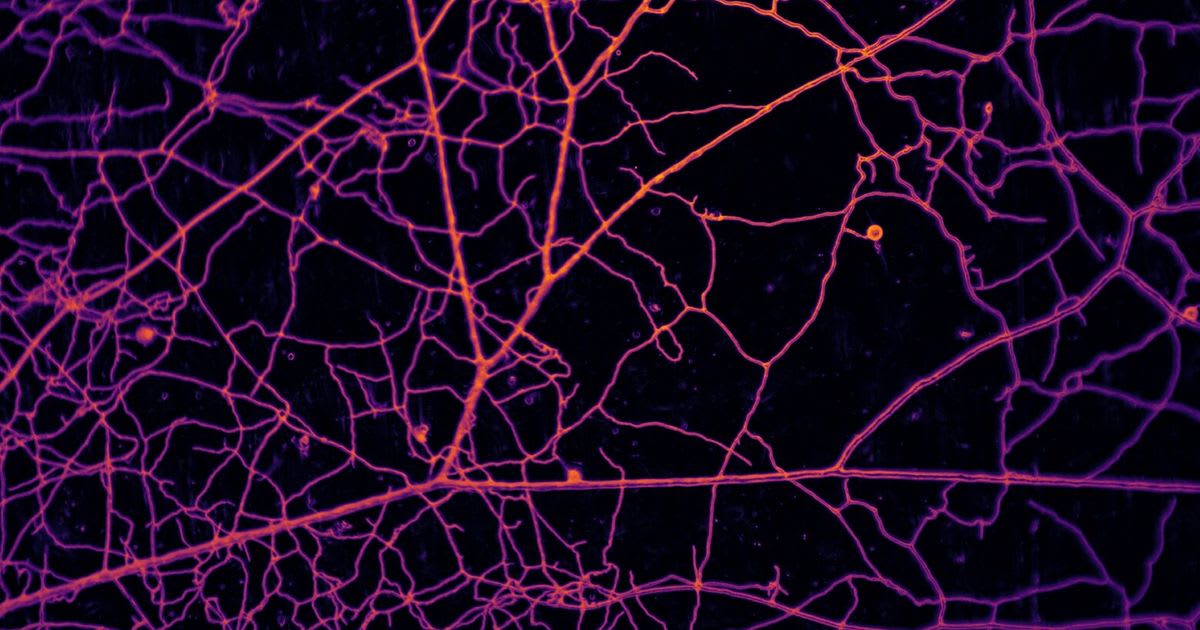
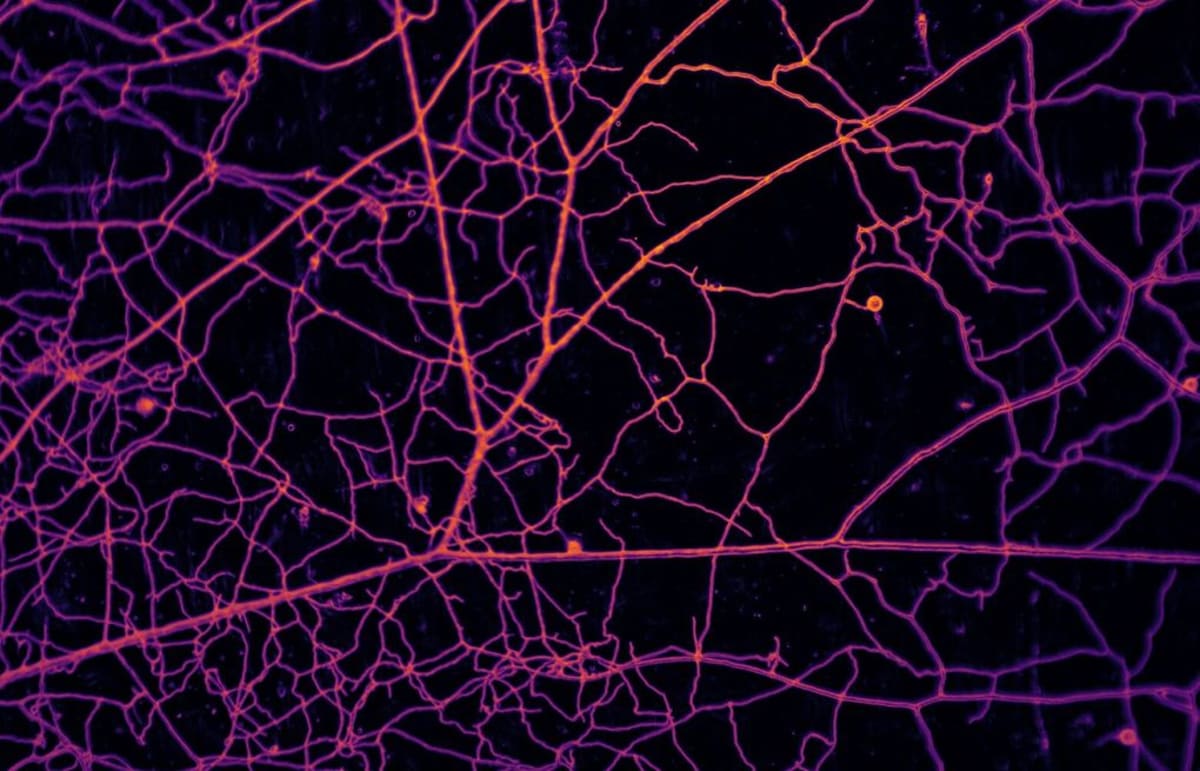
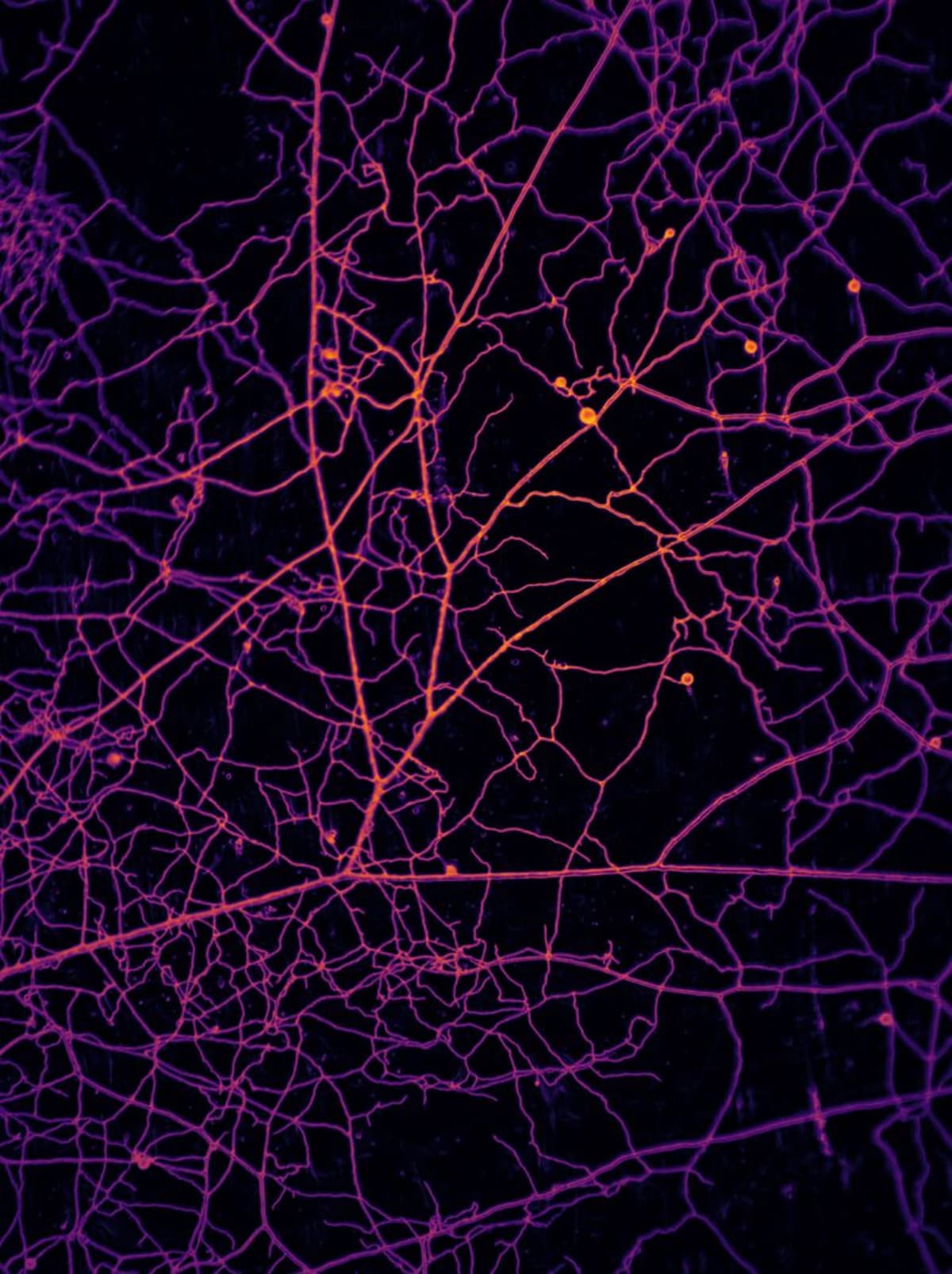
Scientists just mapped the planet's underground fungal highways for the first time, revealing networks that stretch 68 quadrillion miles. That's 730 million times the distance from Earth to the sun.
These aren't ordinary mushrooms. Arbuscular mycorrhizal fungi attach to plant roots and send hair-thin threads called hyphae through the soil. They deliver water and nutrients to more than 70% of Earth's plants while storing carbon underground, keeping it out of the atmosphere.
The international research team, led by evolutionary biologist Toby Kiers at Vrije University Amsterdam, used machine learning and a high-tech imaging robot to analyze over 16,000 soil samples from around the world. Their findings, published in Science, reveal these networks hold about 300 megatons of carbon.
That's four to six times the carbon contained in every human body on Earth combined.
The biggest surprise came from grasslands. These often-overlooked ecosystems harbor the densest fungal networks on the planet, with hotspots in the Florida Everglades, South Sudan's Sudd wetland, and the Tibetan steppe.
"People just aren't paying attention to these ecosystems," Kiers said. Grasslands typically receive far less conservation funding than forests, despite serving as massive carbon storage vaults.
Why This Inspires
This discovery changes how we think about protecting our planet. For years, conservation efforts have focused on what we can see—forests, oceans, wildlife. Now we know an equally vital system has been working silently beneath us all along.
The research revealed that croplands contain roughly 50% less fungal density than natural lands. While more study is needed, it suggests farming practices could be adjusted to protect these underground allies. The fungi don't just store carbon—they stabilize soil and help plants survive environmental stress.
Liz Koziol, a mycorrhizal fungi ecologist at the University of Kansas not involved in the study, called the global heat map "amazing." The sheer scope of comparing datasets from across the entire planet represents years of painstaking work.
The findings carry uncertainty, especially for understudied regions like drylands. But the research provides the first comprehensive global picture of this hidden infrastructure.
Kiers hopes the data will inform conservation policies that protect life both above and below ground. "Once they're gone, they're very hard to bring back," she said.
Nature has been solving our biggest problems all along—we're just now learning to see it.
More Images

Based on reporting by Google News - Science
This story was written by BrightWire based on verified news reports.
Spread the positivity!
Share this good news with someone who needs it