Underwater City Off India May Predate Ancient Civilizations
Archaeologists discovered a sprawling 9,000-year-old city beneath the Gulf of Khambhat, potentially rewriting the timeline of human civilization in India. The sunken structures and artifacts suggest organized societies thrived thousands of years before the famous Indus Valley cities.
📺 Watch the full story above
Deep beneath the waters off India's northwest coast lies a discovery that could transform our understanding of ancient human history.
In 2000, oceanographers from India's National Institute of Ocean Technology made a startling find while scanning the Gulf of Khambhat seabed. Their sonar revealed massive structures 118 feet below the surface, sprawling across five miles of ocean floor.
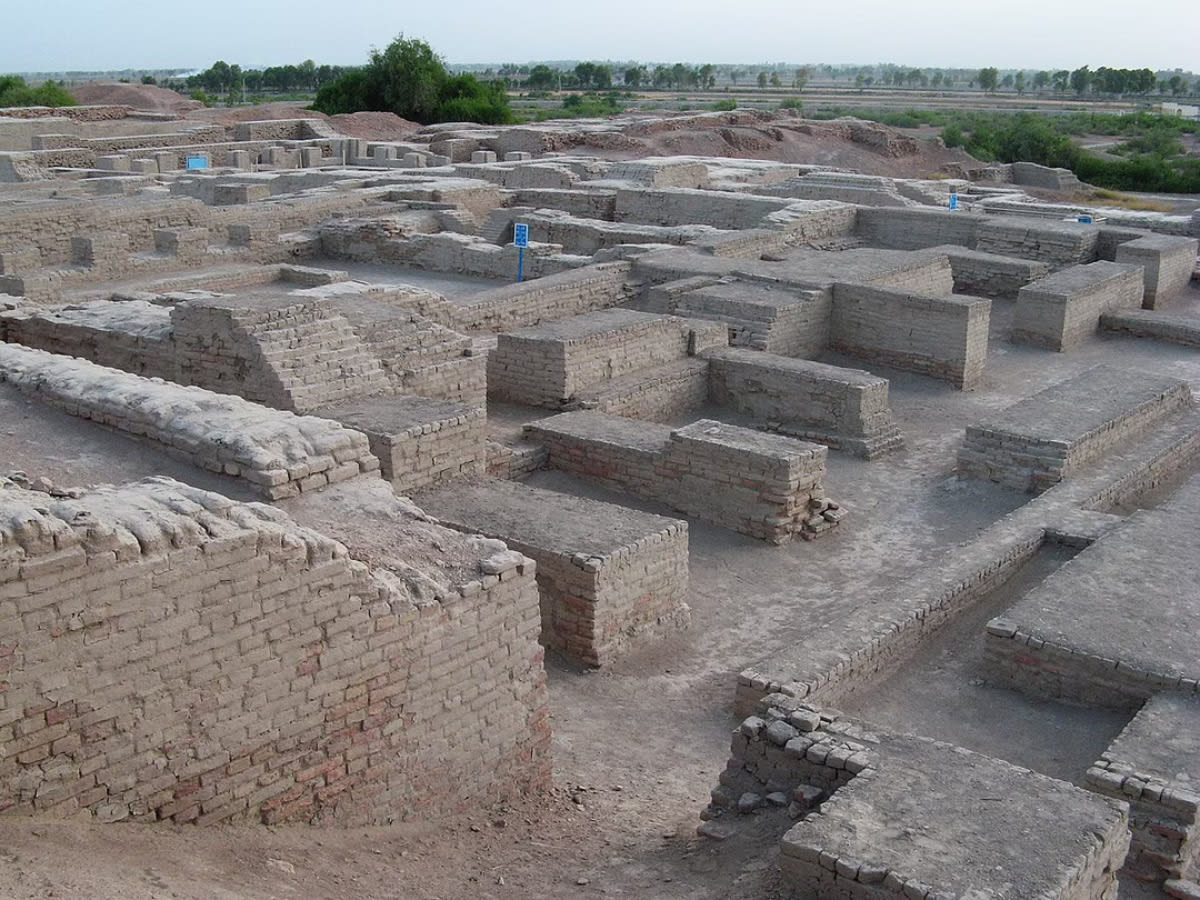
What emerged wasn't just scattered ruins. The team recovered pottery fragments, human remains, and artifacts dating back over 9,000 years, predating the famous Harappan civilization by thousands of years. Until this discovery, scholars believed the first structured societies in the Indian subcontinent emerged around 2600 BCE near the city of Harappa.
The implications are staggering. If confirmed, this sunken city represents evidence of organized human society in India around 7000 BCE, challenging everything archaeologists thought they knew about the region's ancient timeline.
The city itself is enormous, covering roughly five miles in length and nearly two miles wide. Sonar images revealed clear urban planning beneath the waves, while physical artifacts brought to the surface confirmed human habitation. Skeletal remains and tooth fragments provided concrete evidence that real people once lived, worked, and built communities in this now-submerged landscape.
Why This Inspires
This discovery reminds us how much we still have to learn about human ingenuity and resilience. Our ancestors built thriving cities, developed complex societies, and created lasting communities thousands of years earlier than we imagined.
The find also demonstrates the power of modern technology to unlock ancient secrets. Advanced sonar mapping allowed researchers to see through murky waters and time itself, revealing a lost world that had been hidden for millennia.
Scientists believe rising sea levels after the last ice age gradually swallowed the Gulf of Khambhat basin, preserving this ancient city beneath protective ocean waters. What seemed like destruction actually became preservation, keeping this remarkable site intact for future generations to study.
While debates continue about dating accuracy and interpretation, ongoing research keeps uncovering new details about these mysterious underwater structures. Each expedition brings us closer to understanding who these people were and how they lived.
The mystery endures, but so does the hope that we'll eventually piece together the full story of this remarkable lost civilization.
More Images



Based on reporting by Google: archaeological discovery
This story was written by BrightWire based on verified news reports.
Spread the positivity!
Share this good news with someone who needs it