UNICEF: 8.9M Girls Gained Access to Menstrual Health Care
UNICEF reached nearly 9 million girls with menstrual health services last year, keeping them in school and helping solve a water crisis that hits girls hardest. On World Water Day, the organization announced plans to put girls at the center of global water decisions.
Millions of girls worldwide wake before dawn to collect water instead of going to school, but last year UNICEF reached 8.9 million women and adolescent girls with menstrual health and hygiene services that help them stay in education.
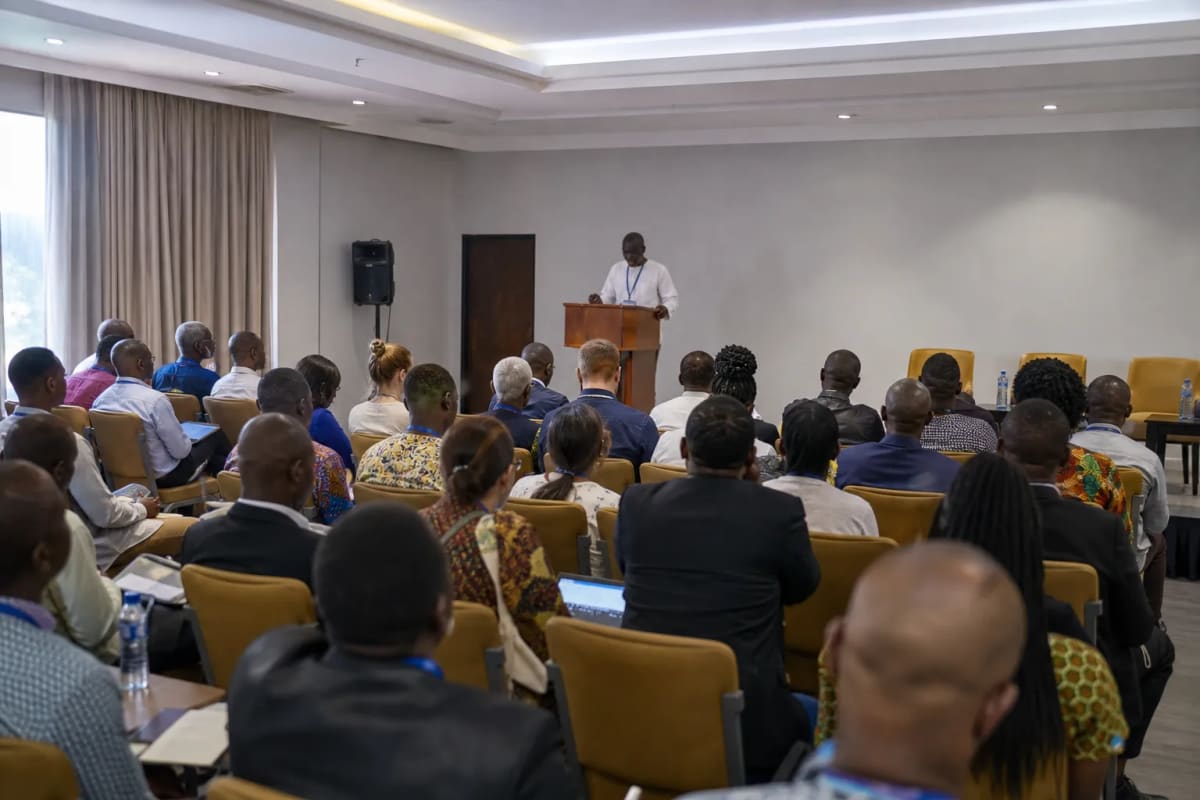
Catherine Russell, UNICEF Executive Director, told delegates at the World Water Day gathering that the global water crisis is fundamentally a crisis for children, especially girls. When water systems fail, girls spend hours hauling water home, drop out when schools lack safe toilets, and face risks to their safety and dignity.
The connection runs deeper than inconvenience. When unsafe water spreads diseases like malaria and cholera, children fall sick and women become caregivers. Yet despite being on the frontlines as health workers and community leaders, women and girls rarely sit at tables where water decisions get made.
UNICEF knows what works. When water and sanitation services include safe toilets, water close to home, and menstrual health support in schools and medical facilities, girls stay in school and families gain time, income, and stability.
Climate change is making water scarcer and conflict is destroying essential services. The world isn't on track to solve these problems, and once again children bear the heaviest burden.
The Ripple Effect
UNICEF is working with governments to deliver climate-resilient water services that protect children and ease the daily burden on women and girls, even in conflict zones. With support from the Netherlands and other partners, they're strengthening fair water, sanitation, and hygiene programming worldwide.
The organization will lead conversations at the 2026 UN Water Conference through the Interactive Dialogue on Water for People. Their message centers on one simple idea: water is for everyone, including those most often left behind.
UNICEF contributes to the United Nations World Water Development Report, helping ensure children's needs and equality shape water policy and financing globally. They're working alongside girls and women themselves, supporting their leadership and dismantling barriers that hold them back.
When water flows for girls, their futures flow with it, and thriving girls create thriving communities.
More Images


Based on reporting by AllAfrica - Environment
This story was written by BrightWire based on verified news reports.
Spread the positivity!
Share this good news with someone who needs it