Universities Open Retro Computing Labs for Gen Z Students
College students are getting hands-on time with floppy disks, Windows 95, and Nintendo 64 consoles in special labs designed to teach computing history. These "retrocomputing" spaces help young people understand how technology evolved and why older systems matter.
For today's college students, Windows 95 and floppy disks feel as ancient as typewriters did to millennials. Now universities are building special labs stocked with vintage computers so Gen Z can experience the technology that shaped our digital world.
Thomas Haigh, a history professor at University of Wisconsin-Milwaukee, noticed a problem in 2021 while teaching computer history. His students couldn't relate to classic textbooks written in the 1990s because those books assumed readers had used desktop PCs, early game consoles, and floppy disks firsthand.
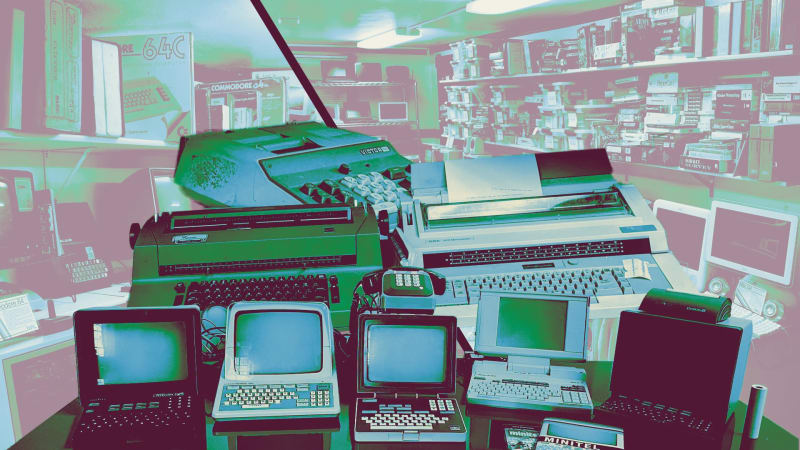
Instead of just reading about outdated tech, Haigh created the Retrocomputing Lab. Students now boot up Apple IIe computers, load spreadsheets from floppy disks, and play games on original Nintendo 64 and Atari systems.
The lab isn't trying to collect rare or exotic machines. Haigh fills it with eBay purchases, university surplus equipment, and faculty hand-me-downs to recreate what typical users experienced in different eras.
His lab joins a handful of similar spaces at universities nationwide. The Media Archaeology Lab at University of Colorado Boulder offers another hands-on approach to understanding computing's past.
Lori Emerson, who founded the Colorado lab, sees something powerful happening when students interact with older technology. Young people are fascinated by machines they can open up, see inside, and actually understand how they work.
Students especially respond to technology that isn't connected to the internet. They appreciate devices that don't surveil them, track their movements, or collect their data.
The Ripple Effect
These labs are helping shape how the next generation thinks about technology's future. By understanding what came before smartphones and cloud computing, students gain perspective on how quickly things change and what we've gained or lost along the way.
The physical, tangible nature of older technology offers lessons modern devices can't. When you load software from a disk or open a computer case, you see technology as something you can control and understand, not just consume.
History departments are now the keepers of technology that seemed cutting-edge just decades ago. What once felt futuristic now teaches valuable lessons about innovation, privacy, and human connection with machines.
These vintage labs prove that sometimes the best way to understand where technology is heading is to remember where it's been.
Based on reporting by Fast Company
This story was written by BrightWire based on verified news reports.
Spread the positivity!
Share this good news with someone who needs it