Unnao's 60% Women Workforce Revives Ancient Embroidery Craft
In India's Unnao district, a traditional embroidery cluster is thriving with women making up 60% of its workforce, transforming ancient zari-zardozi craft into a modern success story. A new government-supported facility is helping 35 artisans turn intricate threadwork into sustainable livelihoods.
Women are leading a quiet revolution in northern India, one stitch at a time, as an ancient embroidery tradition finds new life in the modern marketplace.
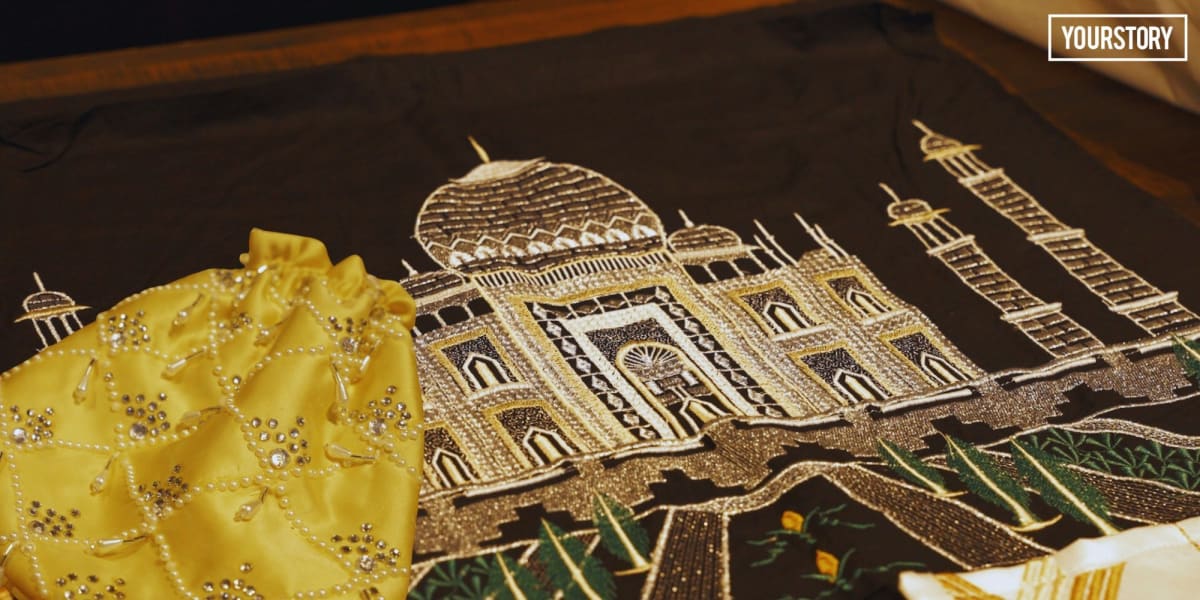
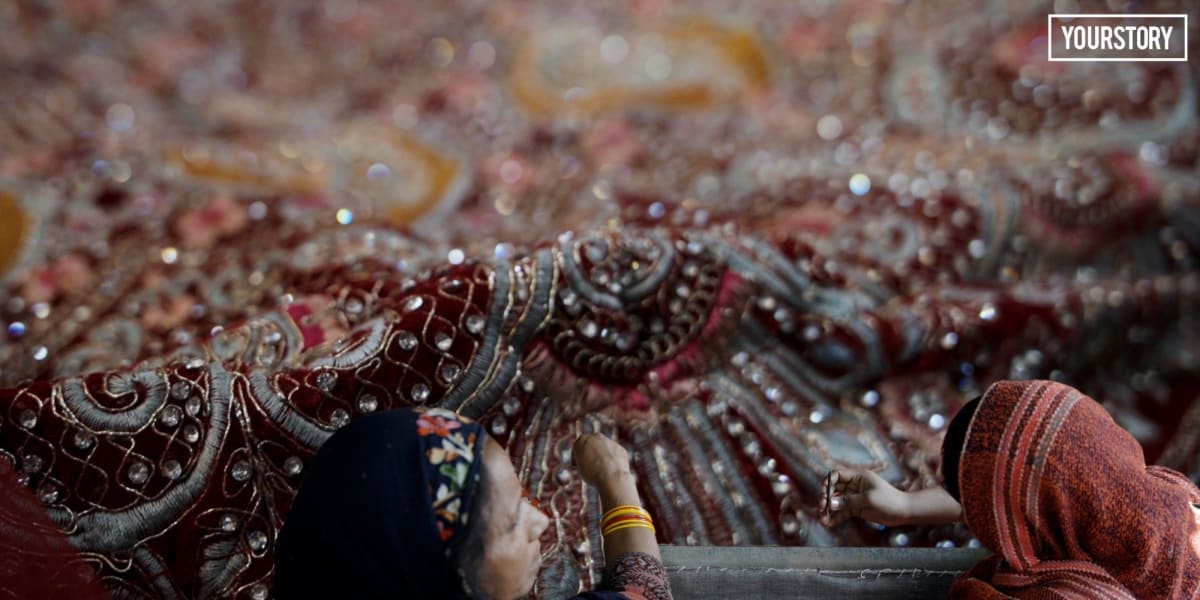
In Unnao district of Uttar Pradesh, zari-zardozi embroidery is experiencing a renaissance. This intricate craft transforms plain fabric into stunning wedding garments, occasion wear, and decorative textiles through detailed threadwork that has been passed down through generations.
The craft traces its roots to Lucknow's historic embroidery traditions, but today's artisans are proving that heritage and progress can work hand in hand. Under India's One District One Product program, the cluster established a Common Facility Centre where artisans work together on market orders at fair, government-set rates.
The numbers tell an inspiring story. The 35-member cluster employs a workforce that's nearly 60% women, creating economic opportunities in a region where traditional crafts often struggled to survive. They handle orders ranging from 100 to 1,000 pieces, adapting their ancient techniques to meet modern market demands.
Faizi Farooqi, Secretary of the Unnao Zari Zardozi Cluster Utthan Samiti, explains that the center functions as a shared workspace where artisans bring market orders and execute them collaboratively. The initiative, which began in 2016 and received formal approval in 2024, gives craftspeople the infrastructure they need to compete while maintaining quality.
The production process blends tradition with efficiency. Designers interpret buyer requirements into workable patterns, create samples for approval, then move into bulk production. The workshop handles both intricate, design-intensive pieces and larger repeat orders, proving the craft's versatility.
The Ripple Effect
The cluster's impact extends beyond individual livelihoods. By participating in exhibitions across Delhi, Goa, Odisha, and Noida, these artisans are introducing regional audiences to Unnao's craftsmanship while building sustainable trade connections.
The shared facility model addresses a common challenge for traditional craftspeople: access to resources and coordinated production systems. Artisans who once worked in isolation can now collaborate, learn from each other, and take on orders they couldn't handle alone.
The center also provides training opportunities, ensuring younger generations can learn these intricate techniques while adapting them for contemporary markets. This balance between preserving heritage and embracing innovation keeps the craft relevant and economically viable.
Women's participation at 60% represents more than workforce diversity. It creates financial independence and professional identity in communities where such opportunities have historically been limited.
When design clarity, coordinated execution, and timely delivery align, Unnao's artisans prove that ancient crafts can thrive in modern markets while empowering the communities that keep them alive.
More Images

Based on reporting by YourStory India
This story was written by BrightWire based on verified news reports.
Spread the positivity!
Share this good news with someone who needs it
%2Ffile%2Fattachments%2F2997%2F14300024_667918.jpg)