URI's New Therapy Clinic Doubles Training Space for Students
The University of Rhode Island's mental health counseling program is giving students something rare: hands-on clinical training right on campus with expert supervision. This fall, their training clinic expands from 6 therapy rooms to 13, preparing the next generation of mental health counselors while serving the community.
Most graduate students studying to become mental health counselors get shipped off to random community sites for training, often with minimal supervision. At the University of Rhode Island, they're doing something different.
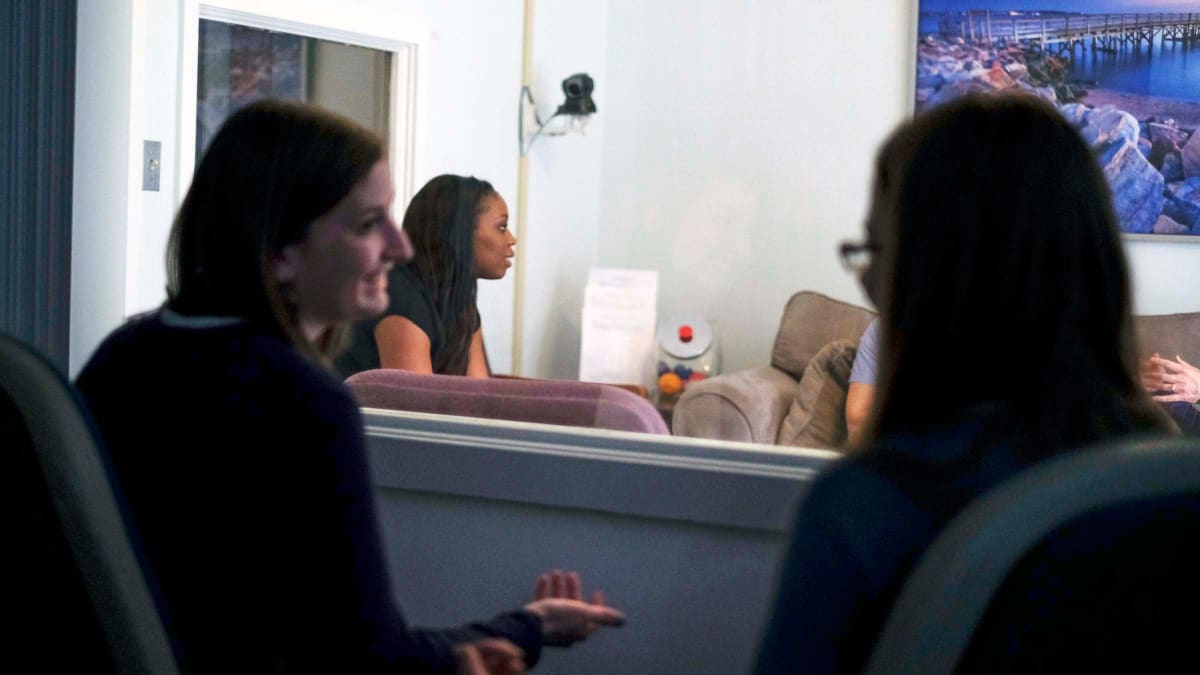
URI's Mental and Behavioral Health Counseling master's program, now in its second year, provides clinical training on campus through its own Psychological Consultation Center. Students counsel real clients in therapy rooms equipped with audio and visual recording, getting intensive supervision from program faculty after every session.
This fall, the program gets even better. The clinic is moving to a new shared space with URI's Couple and Family Therapy Clinic, more than doubling from 6 therapy rooms to 13.
"Most master's programs do not have in-house clinics, so this space and the opportunities it provides for training are not the norm," said Mark Robbins, professor of psychology and program coordinator.
The difference matters. Students learn why specific treatments work for different mental health concerns, not just how to follow a script. They get to observe their own sessions, receive detailed feedback, and work in teams with students at different skill levels.
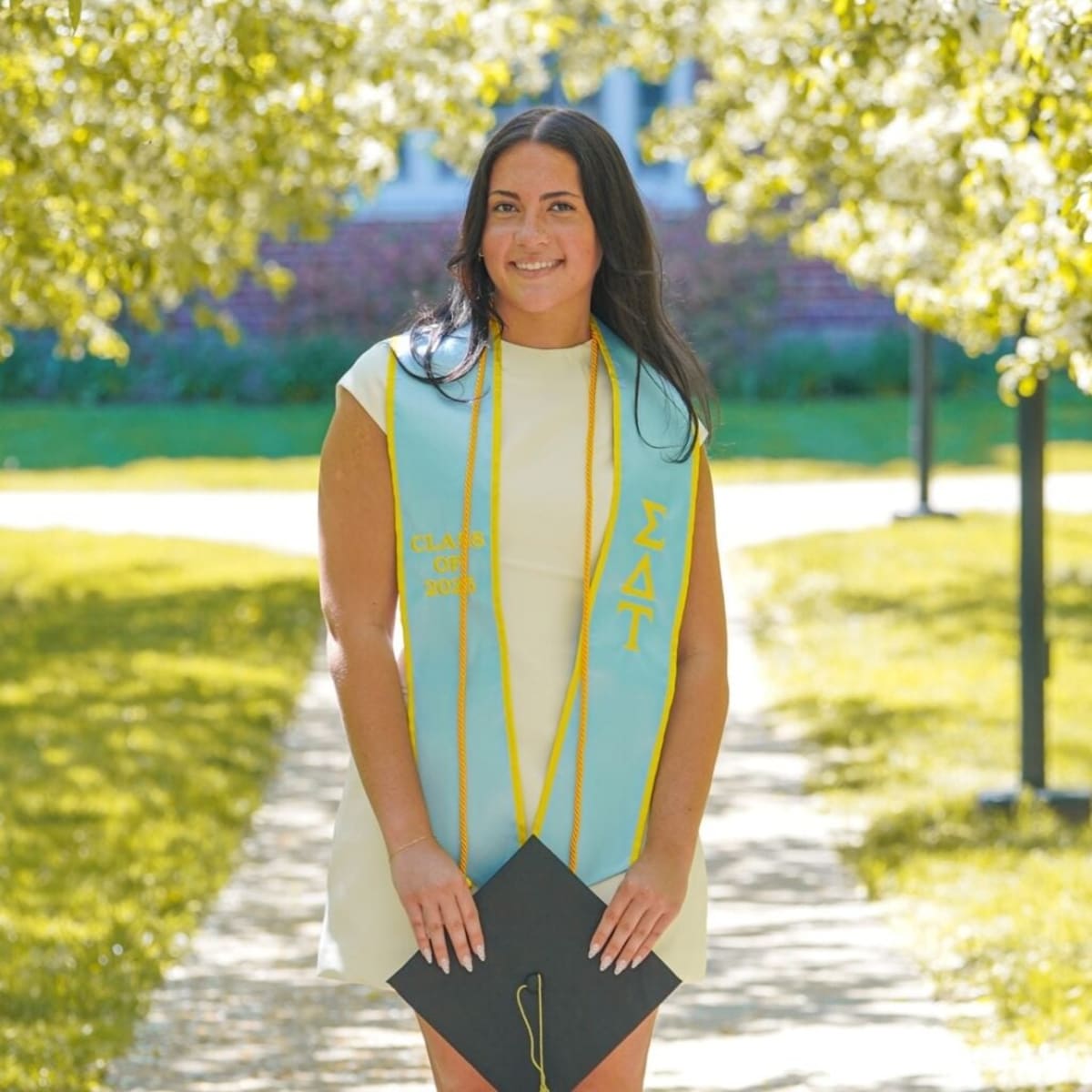
Tayla Varan joined the program's first cohort in 2025 after earning dual bachelor's degrees at URI in psychology and criminal justice. She's now doing a yearlong internship in the Forensic Division of Rhode Island's Department of Behavioral Healthcare while working as a graduate clinician at the campus center.
"This program sets me up with the educational and experiential requirements necessary to eventually reach my goal of becoming a licensed mental health counselor," said Varan, who plans to combine her interests in mental health and criminal justice.
Bobby Schattle enrolled after graduating from Fairfield University. He hopes to eventually open his own private practice focusing on anxiety disorders.
"The on-campus clinic, where I can gain real experience counseling URI students and local community members while receiving supervision and feedback, was very appealing," Schattle said.
The Ripple Effect
The program creates a triple win. Students get supervised clinical experience that most master's programs can't offer. URI students and Rhode Island community members receive quality mental health services. And in a field facing severe workforce shortages, Rhode Island gains well-trained counselors ready to practice.
Graduates become licensed as mental health counselor associates immediately, then need 2,000 supervised hours over two years to become fully licensed. They're entering the field with stronger foundational training than many of their peers.
The next generation of mental health counselors is learning in an environment that sets them up to truly help people.
More Images
Based on reporting by Google News - Mental Health Success
This story was written by BrightWire based on verified news reports.
Spread the positivity!
Share this good news with someone who needs it