Uruguay, Kenya, Pakistan Hit 90% Renewable Energy
Three countries have quietly achieved what seemed impossible just years ago: powering their nations almost entirely with clean energy. Their success stories offer a blueprint for the world.
Uruguay transformed from complete fossil fuel dependency to nearly 100% renewable electricity in less than two decades, proving that rapid energy transitions aren't just possible but practical.
The small South American nation faced a crisis in the 2000s when oil prices tripled and energy demand soared. Instead of building more fossil fuel infrastructure, Uruguay's leaders made a bold bet on wind, solar, and biomass energy alongside existing hydropower.
"I told people this was the best option even if they don't believe climate change exists," former energy minister Ramón Méndez Galain explained. "It's the cheapest and not dependent on crazy fluctuations in oil prices."
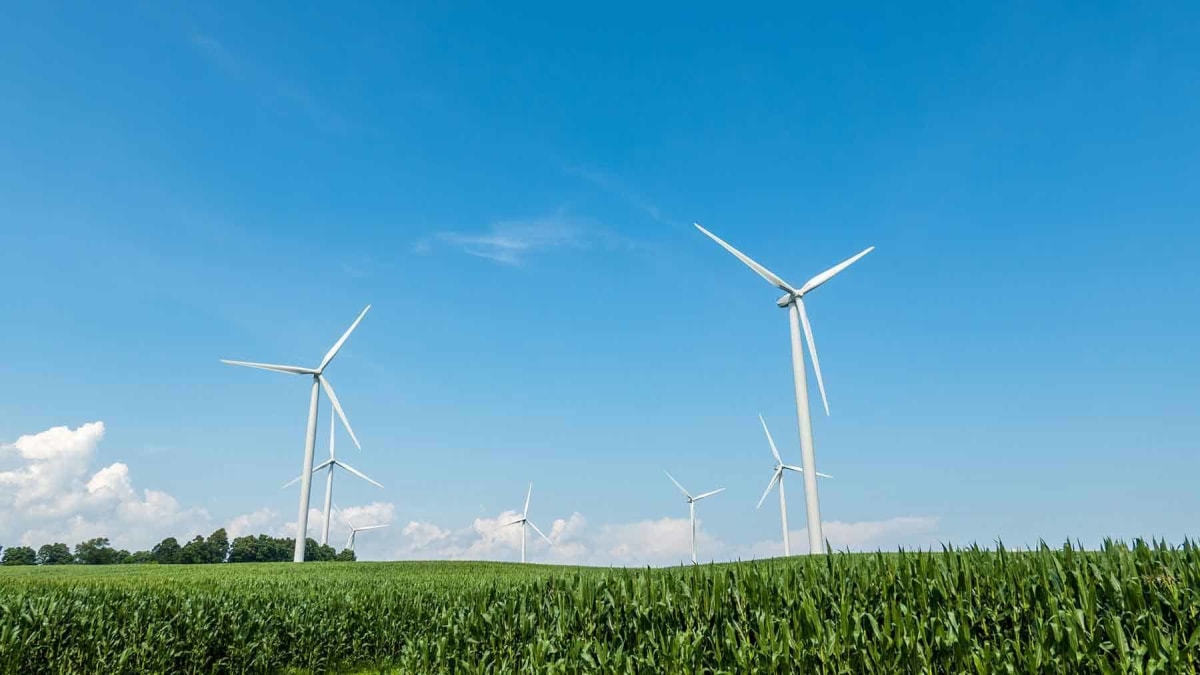
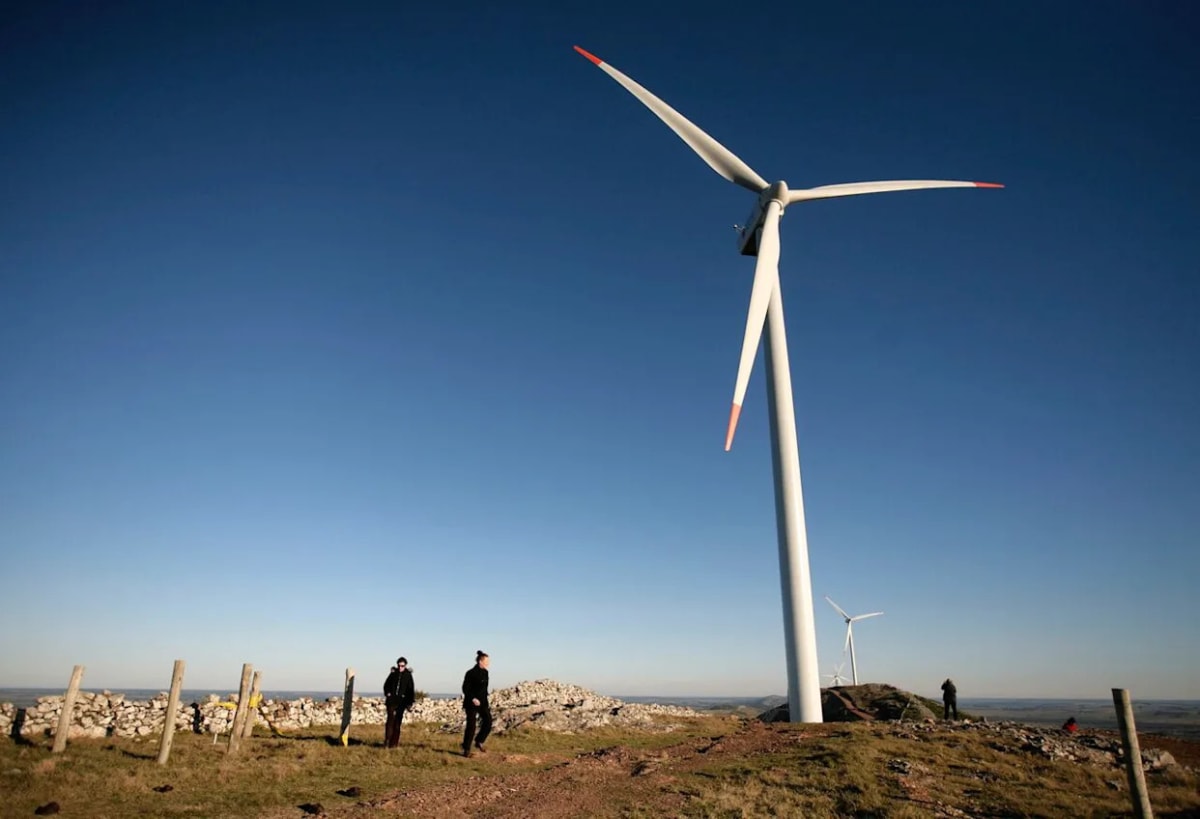
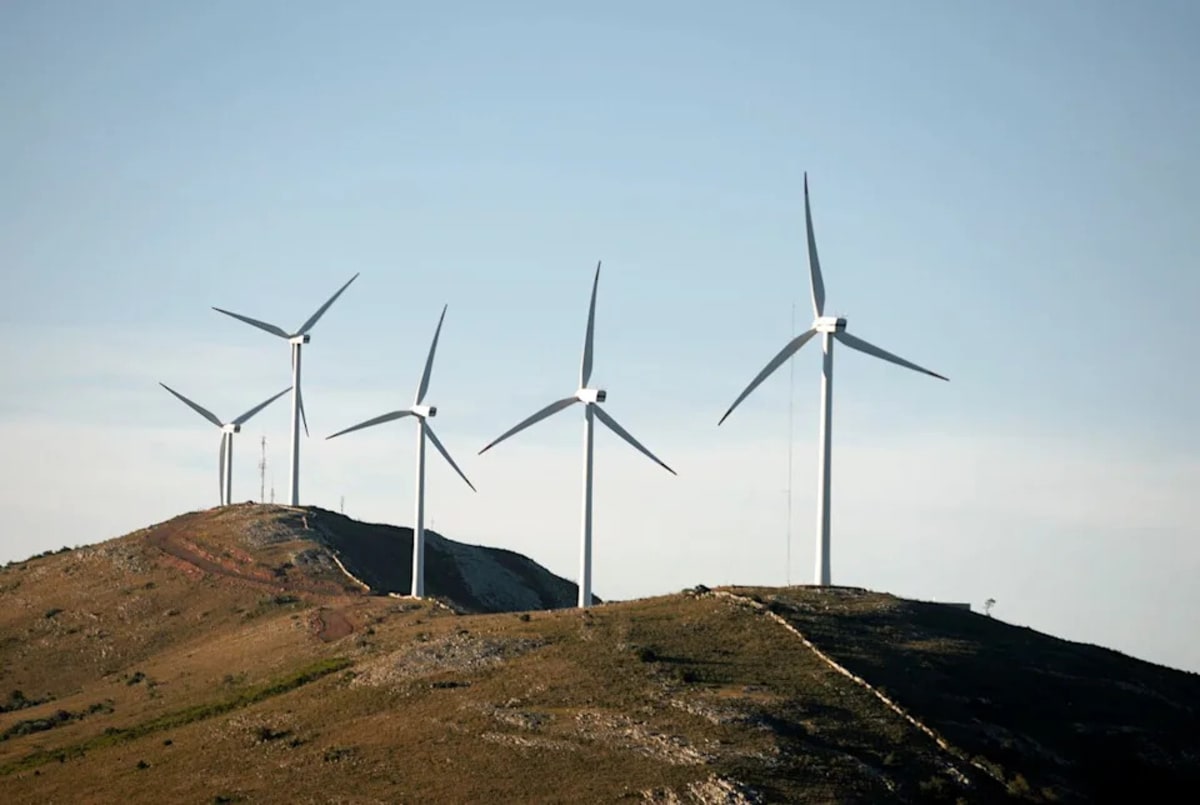
The strategy worked. Today, wind turbines alone generate nearly 40% of Uruguay's electricity, and the total renewable mix hovers between 90 and 99% depending on the season.
Meanwhile, Kenya leapfrogged the traditional fossil fuel phase entirely. In 1995, only 5% of Kenyans had electricity. Now 76% do, and nearly 90% of that power comes from geothermal, hydro, wind, and solar sources.
The country plans to reach 100% renewable power by 2030 while achieving universal electricity access. Kenya is proving that developing economies don't need to rely on dirty energy to grow.
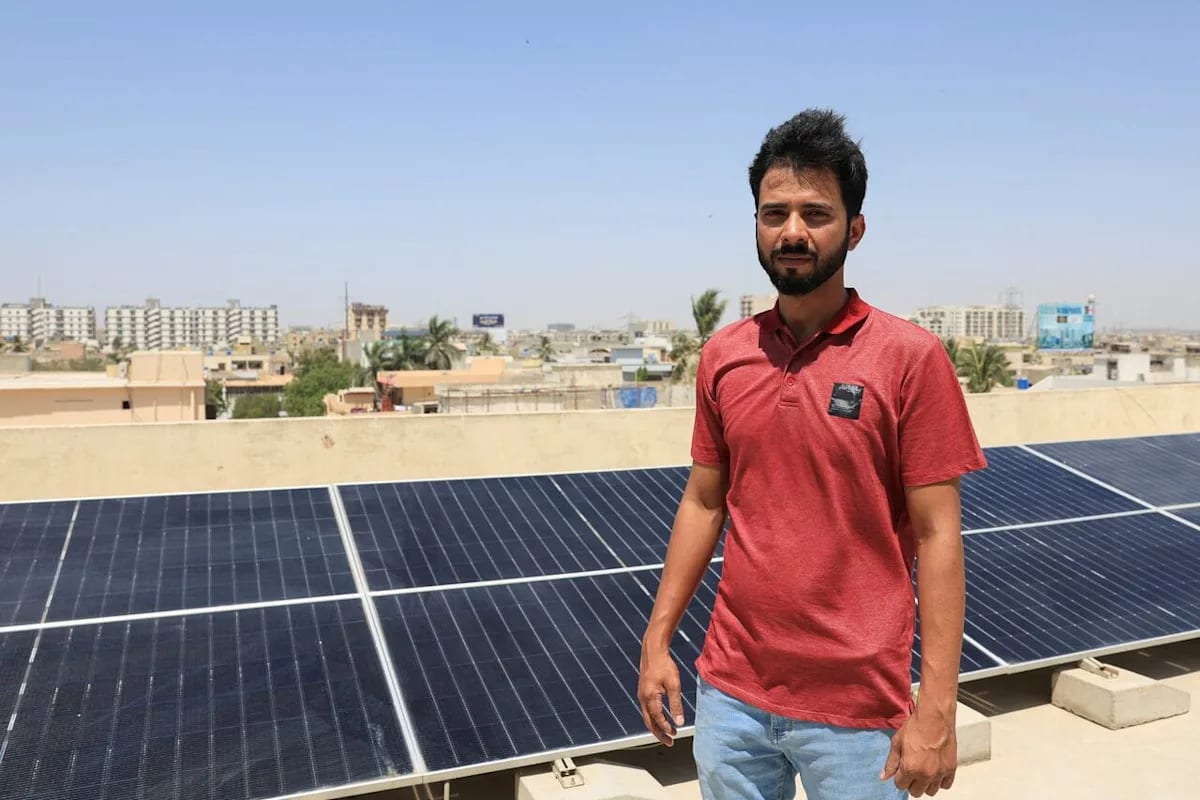
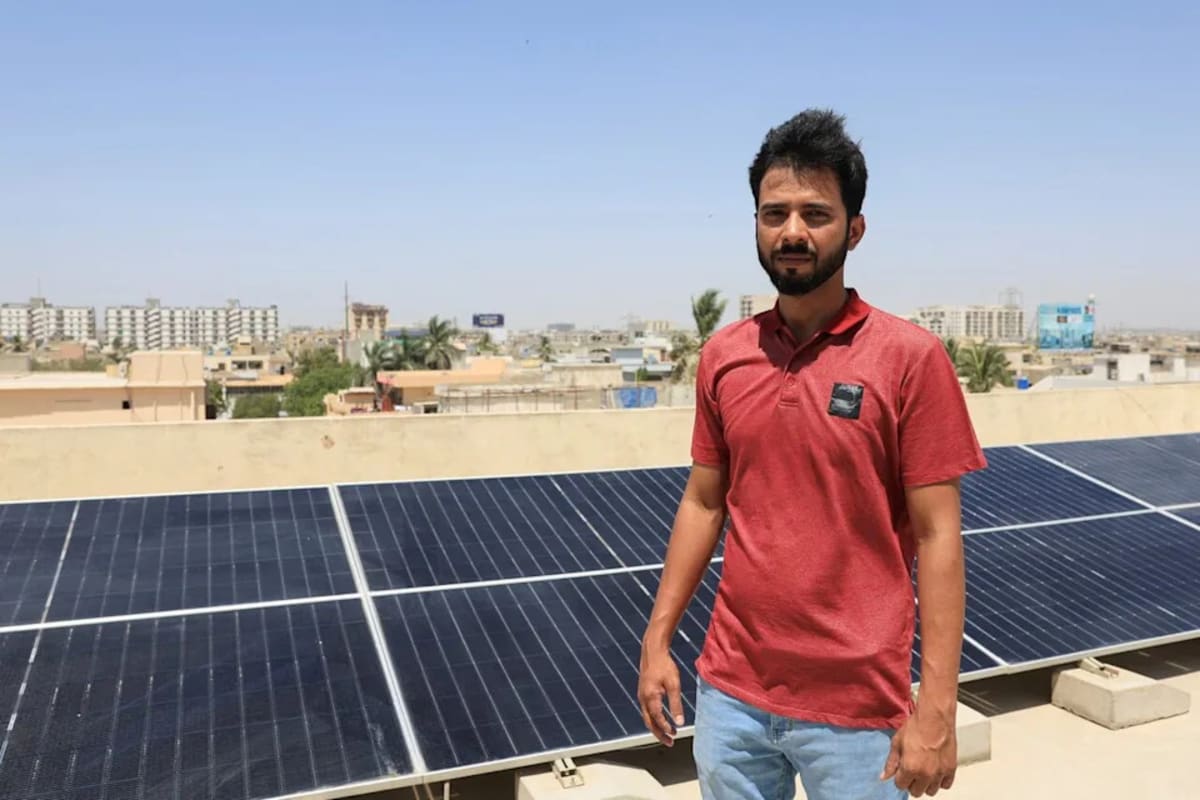
Pakistan's solar revolution happened even faster. Between December 2021 and December 2025, the country's solar electricity generation jumped fivefold, now making up roughly 20% of the national grid.
The shift came from everyday people and businesses installing rooftop solar panels as natural gas prices spiked during the Ukraine war. This distributed energy approach has saved Pakistan an estimated $12 billion in oil and gas import costs.
The Ripple Effect
These transitions deliver benefits far beyond climate action. Locally generated renewable energy protects countries from global price shocks and supply disruptions that leave economies vulnerable.
"Every country around the world has solar and wind in some degree," notes Jessica Isaacs from the World Resources Institute. "That can really insulate countries from those supply shocks."
The economic advantages convinced skeptical populations where climate arguments alone might have failed. Uruguay sold renewables as energy independence, Kenya as economic development, and Pakistan as cost savings during a crisis.
These success stories share one critical ingredient: political leaders who brought their people along on the journey, showing clear benefits for wallets and reliability, not just the environment.
The path to clean energy runs through three continents and proves the same point: the transition is faster, cheaper, and more achievable than most countries realize.
More Images

Based on reporting by Google: wind energy success
This story was written by BrightWire based on verified news reports.
Spread the positivity!
Share this good news with someone who needs it