US Adds $1.8 Billion to Global Humanitarian Relief Efforts
The United States just committed $1.8 billion more to UN humanitarian programs, bringing recent support to $3.8 billion and helping millions of people facing crisis worldwide. The funding arrives as aid agencies stretched thin by conflict and climate disasters work to reach 239 million people in need. #
When humanitarian workers face impossible choices about who gets help and who doesn't, money becomes more than numbers on a budget sheet. It becomes the difference between a family eating or going hungry, a child surviving illness or not, a community getting clean water or drinking from contaminated sources.
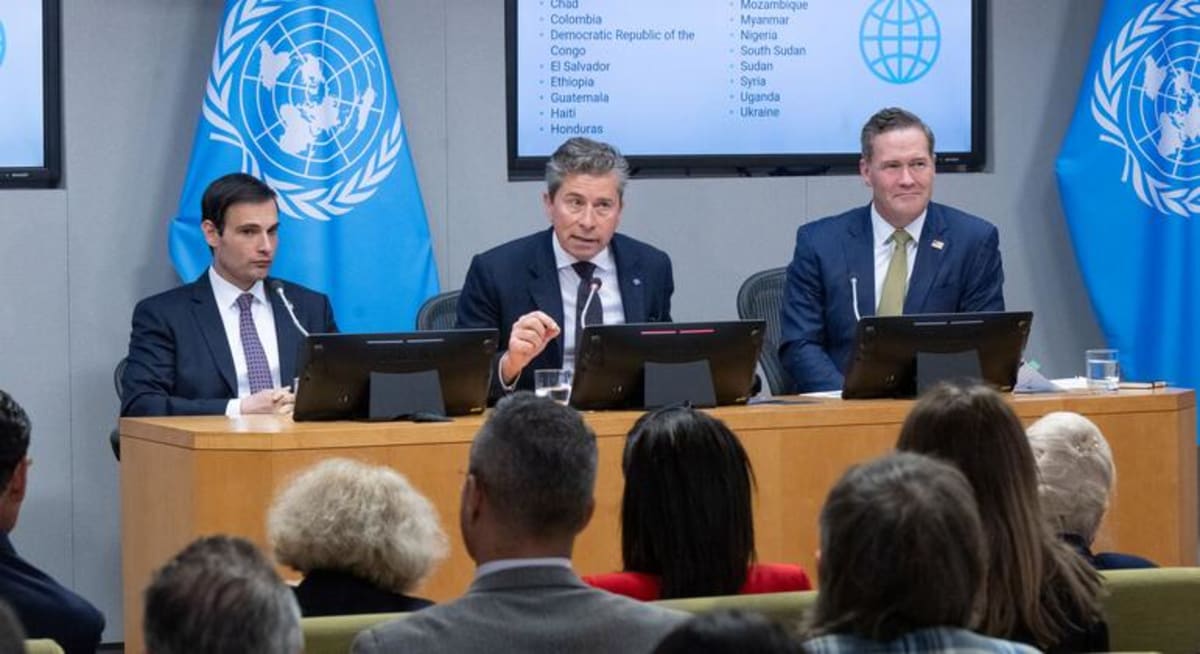
The United States announced Wednesday it's adding $1.8 billion to UN-coordinated humanitarian programs worldwide. This follows a $2 billion contribution made in December, bringing total recent US support to $3.8 billion for emergency relief operations.
UN Secretary-General António Guterres welcomed the funding, saying it "will allow humanitarians to reach millions of people in the most urgent crises with lifesaving support." The timing couldn't be more critical, as about 239 million people worldwide currently need humanitarian assistance.
Tom Fletcher, the UN's Emergency Relief Coordinator, described aid agencies as "overstretched, under resourced and literally under attack." He appeared at UN Headquarters alongside US officials to announce how the funding will expand operations that were at risk of collapse.
The first $2 billion announced in December has already made measurable impact. During the first four months of 2026, that funding helped deliver life-saving support to 14.4 million people across 18 crisis zones.
More than six million people received food aid through the program. Another 10.4 million gained access to safe water, while nearly 700 health facilities received support to keep their doors open.
The funding also reached the most vulnerable: around 300,000 girls and 266,000 boys got treatment for severe malnutrition. Protection services expanded for women and girls, including survivors of sexual violence, with over 779,000 households receiving direct assistance.
The Ripple Effect
Fletcher emphasized that humanitarian agencies are simultaneously reforming how they work. They've cut bureaucracy, shortened the timeline for getting funds where they're needed, and launched an online tracking system so anyone can see exactly where money goes.
Six of the 18 crisis zones that received December's funding had started 2026 with zero pooled humanitarian funds available. The US contribution tripled the money available through pooled funds in those countries, preventing a complete shutdown of aid operations.
The reforms show results even under extreme pressure. "We have shown that we can deliver, even under the most challenging conditions," Fletcher said at the announcement.
Still, the need far outpaces available resources. The UN's 2026 humanitarian response plan seeks $23 billion total to reach 87 million people with critical assistance worldwide.
Fletcher laid out the path forward simply: "Our focus is to secure the rest of the funding we need to deliver this ambitious plan, and then to get out there and deliver it." With this $1.8 billion boost, millions more people facing the world's toughest crises just got a fighting chance.
#
Based on reporting by UN News
This story was written by BrightWire based on verified news reports.
Spread the positivity!
Share this good news with someone who needs it
%2Fhttps%3A%2F%2Ftf-cmsv2-smithsonianmag-media.s3.amazonaws.com%2Ffiler_public%2F6c%2Fcd%2F6ccd5e01-e02d-493d-afe2-b75b33883c4e%2Fsmithsonian_feature_images_22.png)