US and Armenia Sign TRIPP Trade Route Peace Agreement
The United States and Armenia just signed a groundbreaking infrastructure agreement that builds on regional peace efforts and promises to connect nations through trade corridors. The $2.5 billion project will create new roads, railways, and economic opportunities across a historically divided region.
A major peace-building infrastructure project is taking shape in the South Caucasus, connecting nations that have been at odds for decades.
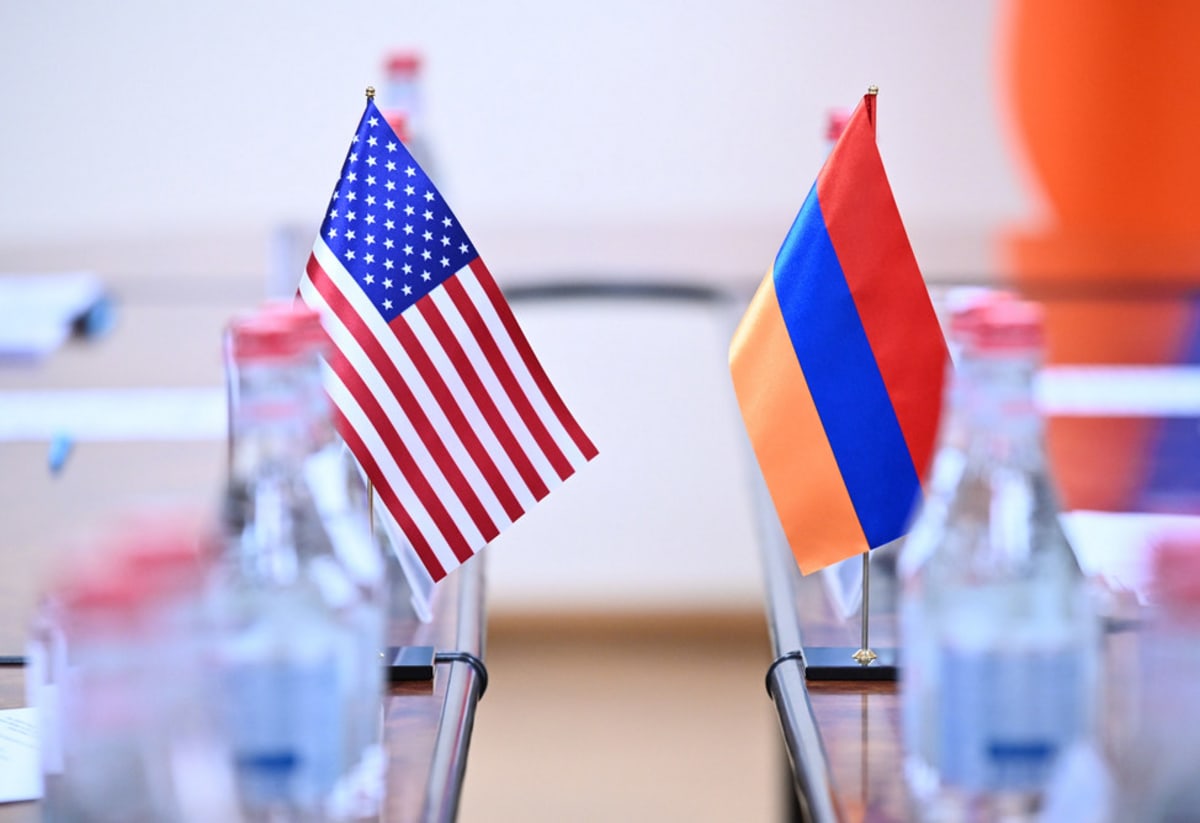
On June 4, US Secretary of State Marco Rubio and Armenian Foreign Minister Ararat Mirzoyan signed the Trump Route for International Peace and Prosperity (TRIPP) agreement in a ceremony that marks a new chapter for regional cooperation. The framework builds directly on the recent peace declaration between Armenia and Azerbaijan, two countries that have experienced conflict for over 30 years.
The ambitious project will create multimodal transit corridors through Armenia, including connecting mainland Azerbaijan with its exclave, the Nakhchivan Autonomous Region. This infrastructure will link into the broader Trans-Caspian Trade Route, opening economic pathways across the region.
To make it happen, the US International Development Finance Corporation approved creation of the TRIPP Development Company, a joint venture between the two nations. The company received backing from DFC's $2.5 billion package of strategic investments, signaling serious American commitment to the region's stability.
The joint venture gives the United States a 74% stake while Armenia holds 26%, with an initial 49-year implementation period. If extended for another half-century, those shares would adjust to reflect the partnership's evolution.
The Ripple Effect
This isn't just about roads and railways. The project plans to build pipelines, fiber-optic networks, and other critical infrastructure that will boost trade and economic development throughout the South Caucasus.
For decades, this region has struggled with isolation and conflict. Now, nations that once viewed each other with suspicion are planning shared economic corridors that benefit everyone involved.
The agreement transforms peace from an abstract concept into concrete investments in people's futures. When trade flows freely and communities connect, the incentives for cooperation multiply naturally.
American involvement through DFC brings technical expertise, financial backing, and long-term commitment to seeing these projects through. The corporation specializes in mobilizing private capital for development that advances both economic growth and foreign policy goals.
For ordinary citizens in Armenia and across the region, this means new jobs building infrastructure, expanded business opportunities through better connectivity, and the simple freedom to travel and trade more easily. Peace becomes something people can see and touch in their daily lives.
The signing represents years of diplomatic groundwork finally bearing fruit, showing that patient negotiation and creative economic partnerships can open doors even in historically troubled regions.
Based on reporting by Google: peace agreement signed
This story was written by BrightWire based on verified news reports.
Spread the positivity!
Share this good news with someone who needs it