US and Europe on Track to Hit 2030 Solar Goals
Despite project pipelines falling short, America and Europe are expected to meet their ambitious 2030 solar targets. The secret? Solar panels are surprisingly fast and easy to install.
The clean energy future is arriving faster than it appears on paper, and that's very good news for our planet.
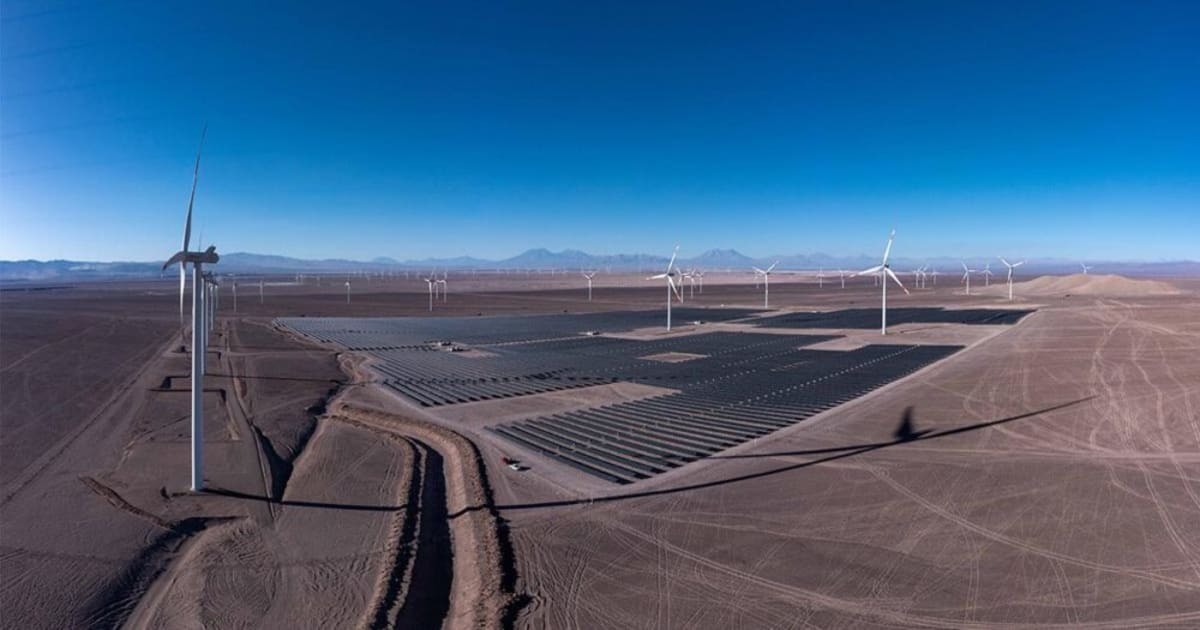
A new McKinsey report reveals that both the United States and Europe are on track to hit their 2030 solar energy goals, even though their current project pipelines look too small. The US needs about 254 GW more solar capacity by decade's end, while Europe needs roughly 275 GW.
Here's the encouraging twist. Solar technology is so quick and simple to build out that official numbers may be dramatically underestimating what's coming. A homeowner can install rooftop solar panels in just two months, creating clean energy capacity that often flies under the radar of official tracking systems.
"Data visibility for solar is more limited due to individual household use and ease of build-out," the McKinsey report explains. That means announced capacity figures are likely missing a huge chunk of the solar revolution happening on rooftops and in backyards across both continents.
Diego Hernandez Diaz, a McKinsey partner, points to another bright spot. Newer markets like Poland offer even better economic advantages for solar development, meaning growth could accelerate beyond current predictions.
China has already blown past expectations, more than doubling its 2030 solar target ahead of schedule. That success story shows what's possible when clean energy economics align with national priorities.
The Ripple Effect
The solar surge is triggering a parallel boom in battery storage systems. While these energy storage solutions still lag behind 2030 targets, they're racing ahead faster than traditional power technologies like nuclear or gas with carbon capture.
Battery systems can be built, permitted and connected to the grid far more quickly than fossil fuel infrastructure. When paired with solar panels, they create a powerful one-two punch for both large utilities and individual households.
Load balancing is becoming a major revenue source for battery operators, making the business case increasingly attractive. The economics work, which means deployment keeps accelerating regardless of political headwinds.
The report acknowledges real challenges ahead. Supply chain disruptions, tariffs, policy changes and political uncertainty could all slow progress. But the underlying fundamentals remain strong across all major markets studied.
As Hernandez Diaz notes, when the economics support renewable energy, deployment happens naturally. Both the US and Europe have those economic fundamentals solidly in place, pointing toward a cleaner energy future that's closer than official pipelines suggest.
More Images


Based on reporting by PV Magazine
This story was written by BrightWire based on verified news reports.
Spread the positivity!
Share this good news with someone who needs it