US and Iran Agree to 2-Week Ceasefire, Peace Talks Begin
After days of escalating tensions over the Strait of Hormuz, the United States and Iran have agreed to a two-week ceasefire to negotiate lasting peace. Talks begin Friday in Pakistan, offering hope for stability in a region that's seen too much conflict.
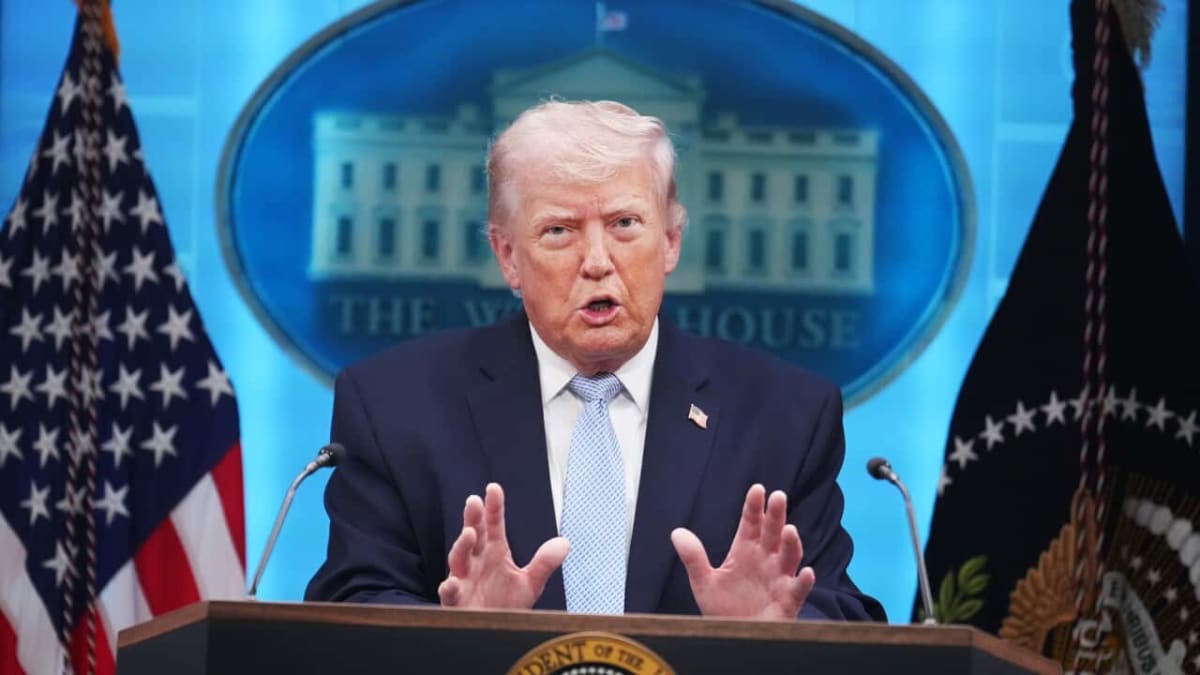
A breakthrough moment arrived in the Middle East as President Trump and Iranian leaders agreed to pause hostilities and pursue peace negotiations starting this Friday.
The ceasefire came after intense diplomacy led by Pakistani Prime Minister Shehbaz Sharif. Both nations backed down from aggressive positions that threatened a wider regional war.
Iran agreed to reopen the Strait of Hormuz, a critical shipping lane for global oil transport, with safe passage coordinated through its armed forces. The US suspended planned military strikes that had been scheduled to target Iranian infrastructure.
The deal centers on a 10-point proposal from Iran that both sides say provides a workable framework for long-term peace. Nearly all major points of contention between the two nations have reportedly been resolved, with the two-week pause allowing final details to be hammered out.
Israel has also joined the ceasefire agreement, suspending its operations in the region including its Lebanon campaign. This coordinated pause represents the broadest de-escalation effort in years across multiple conflict zones.
Talks will take place in Islamabad starting Friday, with both countries agreeing the negotiations could extend beyond two weeks if progress continues. Iran's Supreme National Security Council emphasized the discussions aim for a permanent end to hostilities, not just a temporary pause.
The Ripple Effect
This ceasefire prevents what could have been catastrophic consequences for millions of people. Former US Ambassador Dan Shapiro noted the agreement avoids massive destruction of civilian infrastructure across Iran and Gulf states, while protecting the global economy from a potentially devastating crisis.
The Strait of Hormuz handles roughly one-fifth of global oil traffic. Keeping it open during negotiations means energy markets can stabilize, shipping lanes remain secure, and everyday people worldwide won't face dramatic fuel price spikes.
Beyond economics, the human cost of avoiding escalation cannot be overstated. Civilian populations in Iran, Israel, Lebanon, and neighboring countries can breathe easier knowing bombs won't fall while diplomats work toward lasting solutions.
Pakistan's successful mediation demonstrates how regional powers can play constructive roles in de-escalating conflicts. This diplomatic channel could serve as a model for resolving other Middle Eastern disputes that have seemed intractable for decades.
The coming two weeks will test whether decades of mistrust can give way to pragmatic cooperation, but for now, silence replaces the threat of missiles and airstrikes.
More Images

Based on reporting by SBS Australia
This story was written by BrightWire based on verified news reports.
Spread the positivity!
Share this good news with someone who needs it