US and Iran Agree to Ceasefire Deal, Reopen Vital Strait
The United States and Iran announced a preliminary ceasefire agreement that will reopen the Strait of Hormuz to global shipping, offering hope for regional peace after months of conflict. World leaders from Europe, Asia, and the Middle East are celebrating the breakthrough as a critical first step toward lasting stability.
After months of escalating tensions, a promising breakthrough is bringing hope to the Middle East and global markets alike.
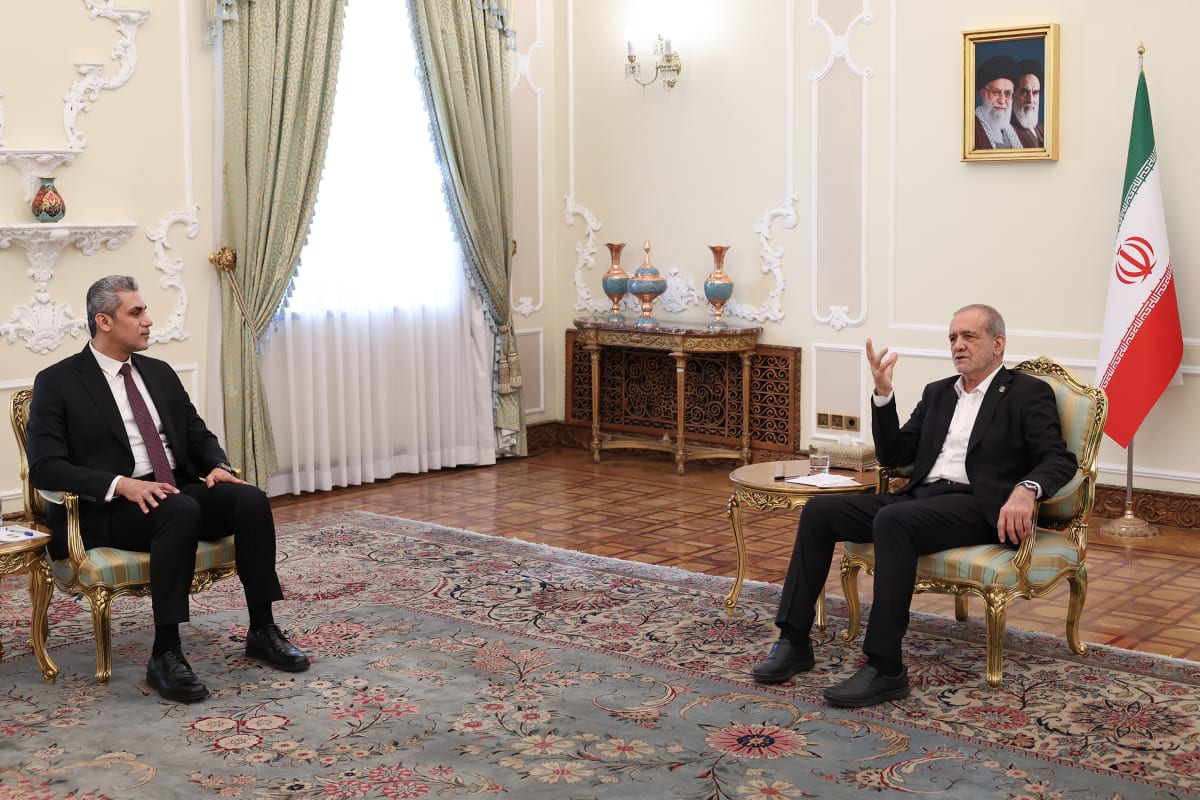
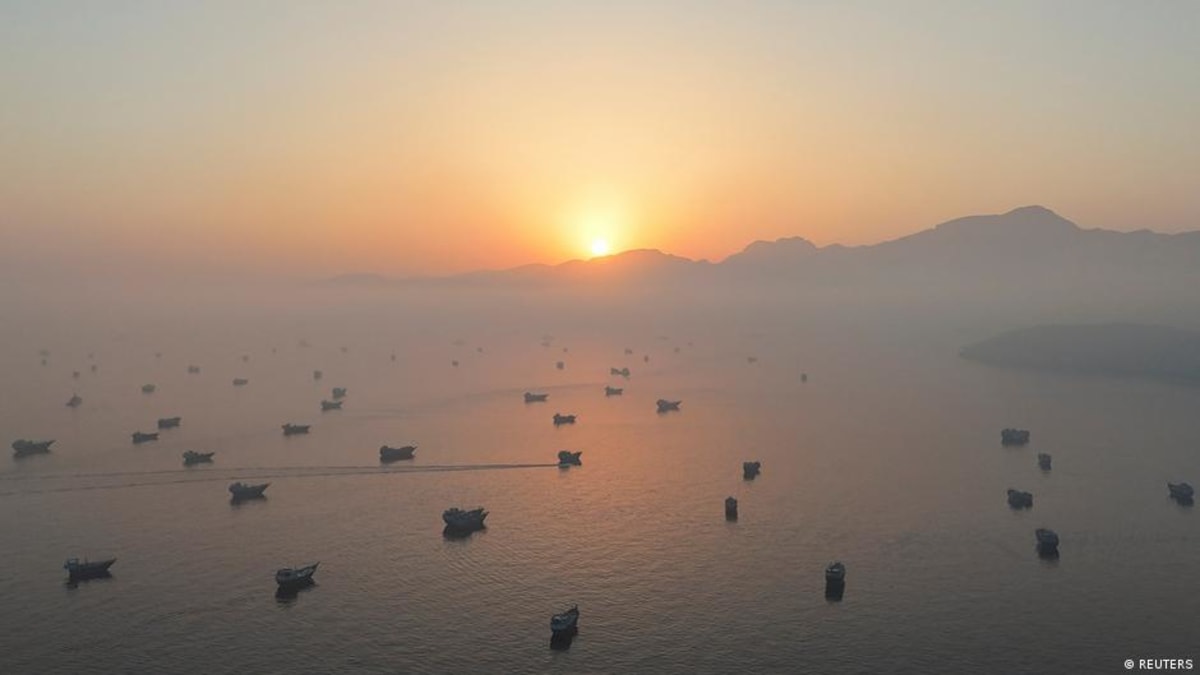
The United States and Iran announced a preliminary ceasefire deal on Sunday that will reopen the Strait of Hormuz, a critical waterway that handles a significant portion of the world's oil exports. The agreement, set to be officially signed in Switzerland this Friday, marks a potential turning point in a conflict that has threatened global energy supplies and regional stability.
Pakistan Prime Minister Shehbaz Sharif, whose country mediated the negotiations, called it a "historic step toward peace." He told lawmakers that "after the darkness of war, the sun of peace has risen."
The immediate impact was felt worldwide as oil prices dropped following the announcement. President Trump celebrated on social media, posting "Ships of the world, start your engines!" to signal the waterway's imminent reopening.
The initial agreement launches a 60-day ceasefire period during which negotiators will tackle more complex issues, including Iran's nuclear program and sanctions relief. While the full terms remain private, both nations have committed to detailed peace negotiations in the coming weeks.
The Ripple Effect
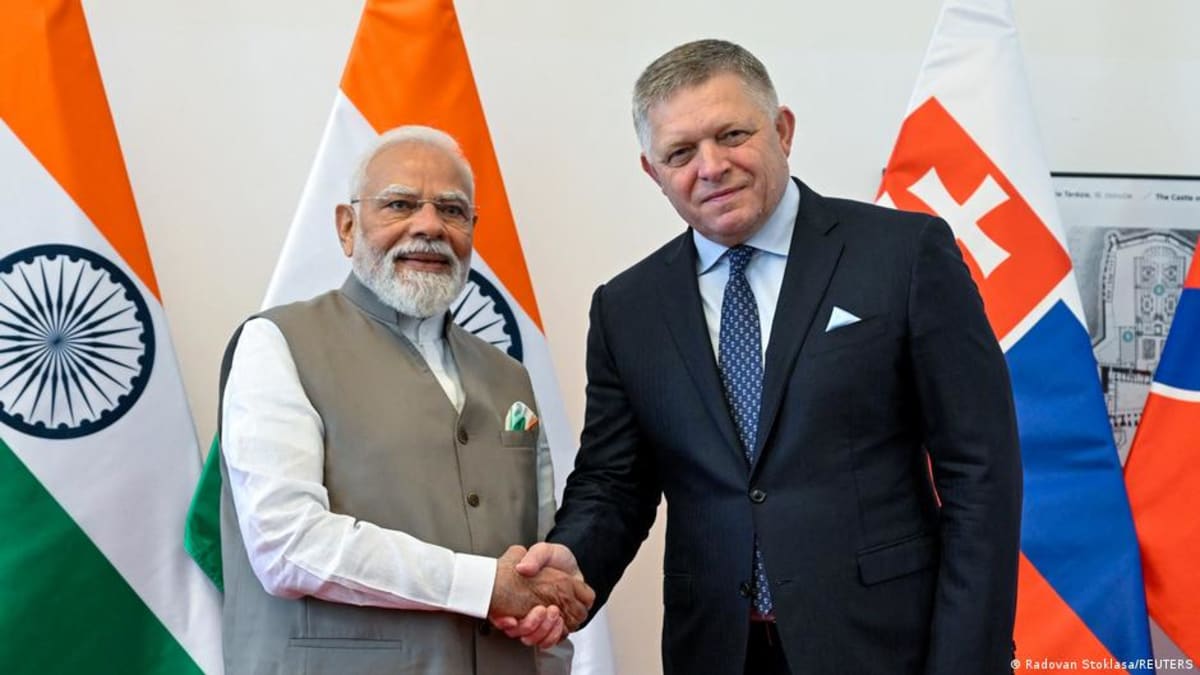
The positive reaction from global leaders shows just how significant this moment is for international stability. European Union chief Ursula von der Leyen emphasized the need for "swift and full implementation," while British Prime Minister Keir Starmer called it "a very significant breakthrough."
Regional powers directly impacted by the conflict welcomed the news with cautious optimism. Saudi Arabia, which was struck multiple times during hostilities, said the deal should "take into consideration the security interests of regional states." Qatar, whose gas exports depend on the strait, praised it as "an important step toward consolidating sustainable peace and promoting economic growth."
China expressed appreciation for Pakistan's mediation efforts and said it "hopes that safe and free passage through the strait will be restored as soon as possible." The statement reflects the global economic stakes, as the Strait of Hormuz serves as a vital artery for international trade.
Challenges remain, particularly regarding Lebanon, where Israel has indicated it won't withdraw from seized territory despite Iran linking the deal to a cessation of strikes against Hezbollah. Von der Leyen stressed that "there can be no peace in the Middle East while Lebanon is in flames."
Still, the fact that former adversaries are sitting at the negotiating table represents genuine progress after a period of dangerous escalation.
Friday's signing ceremony in Switzerland will be watched closely by a world eager for stability, lower energy costs, and proof that diplomacy can still triumph over conflict.
Based on reporting by DW News
This story was written by BrightWire based on verified news reports.
Spread the positivity!
Share this good news with someone who needs it