US and Iran Ceasefire Opens Path to Peace Talks in Pakistan
After five weeks of conflict that shook global markets, the United States and Iran have agreed to a two-week ceasefire, with diplomatic teams set to meet in Pakistan this Friday. The pause has already sent oil prices down 13% and reopened hopes for stability in the Persian Gulf.
A two-week ceasefire between the United States and Iran took effect Wednesday, bringing relief to global markets and opening the door for peace negotiations after five weeks of escalating tensions.
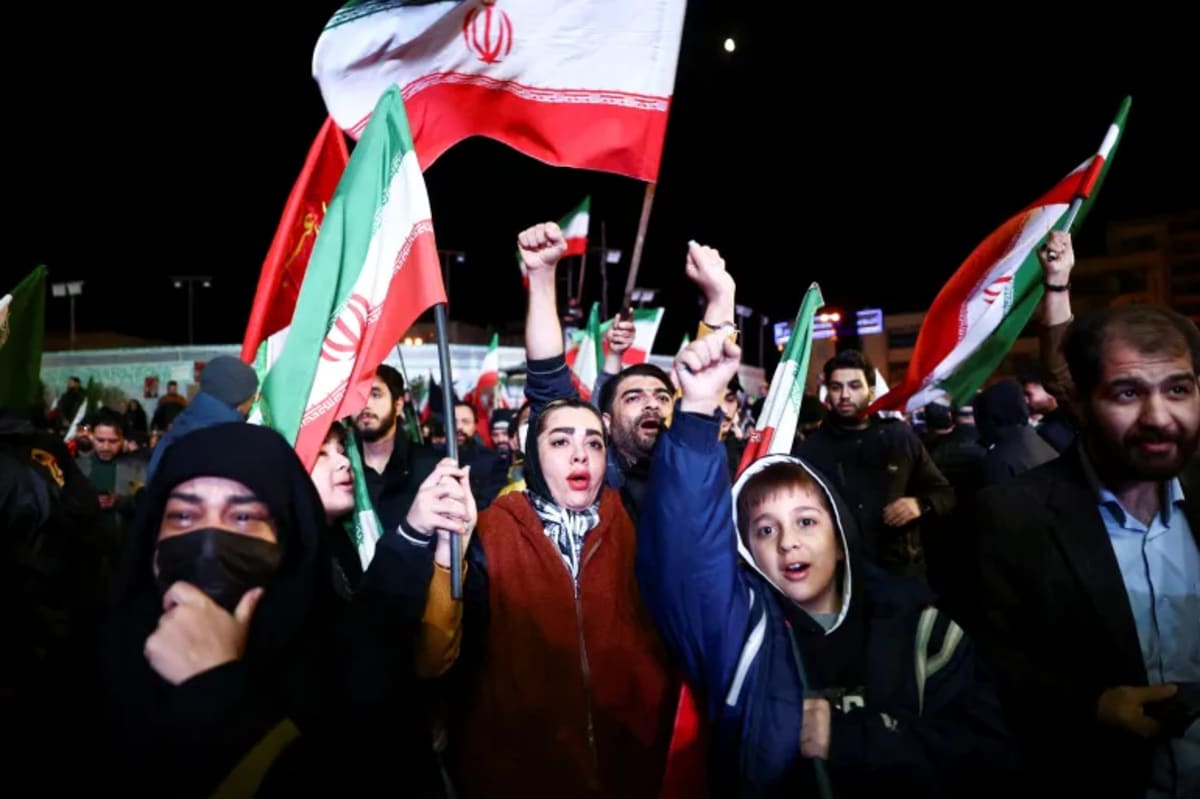
The truce, announced by President Trump 90 minutes before his self-imposed deadline, was quickly echoed by Iran's Supreme Leader ordering all military units to stand down. Within hours, oil prices dropped more than 13% as the world cautiously celebrated the pause in hostilities.
The centerpiece of the agreement is the immediate reopening of the Strait of Hormuz, the critical waterway through which much of the world's oil supply flows. More than 400 ships, including hundreds of oil tankers, have been waiting to resume transit through the strait that was blockaded during the conflict.
British Prime Minister Sir Keir Starmer called the agreement "a moment of relief" as he traveled to the Gulf to meet with regional leaders. Over 40 countries are already working together to ensure long-term security in the waterway once a permanent peace is reached.
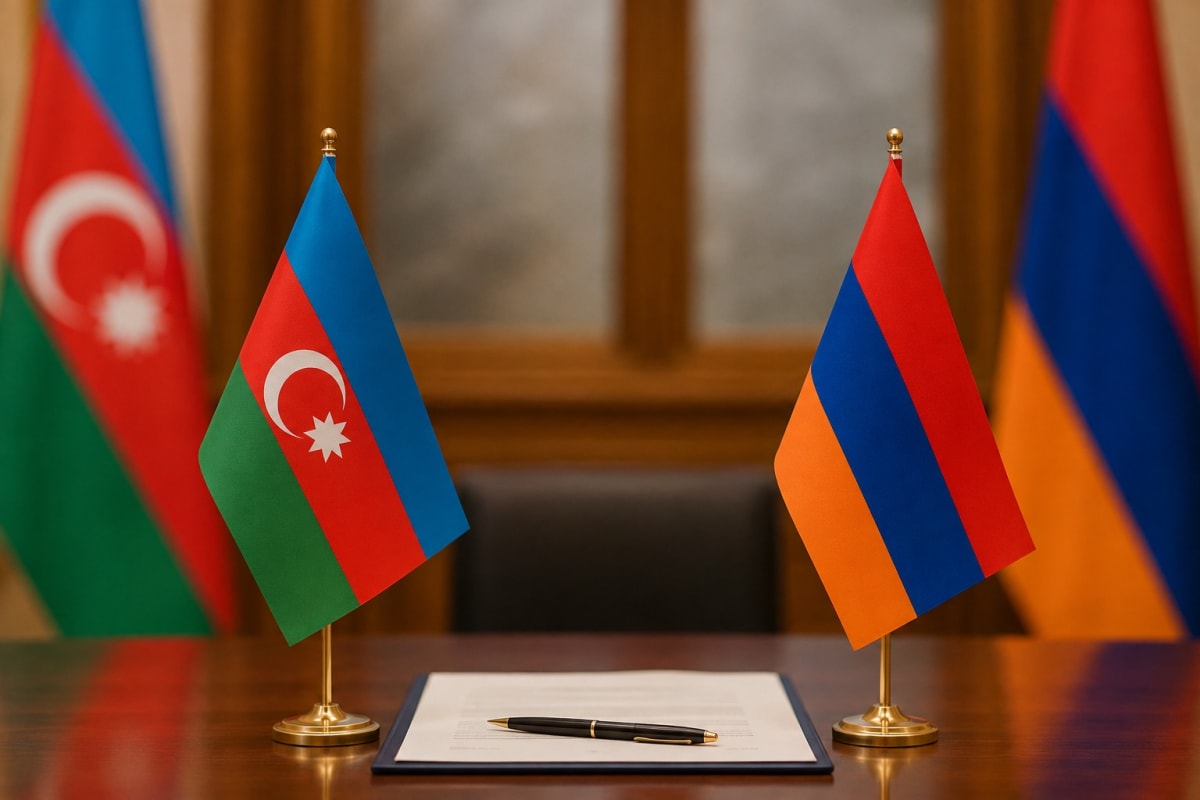
The real work begins Friday when diplomatic teams from both nations convene in Islamabad, Pakistan. Vice President JD Vance, who called the agreement a "fragile truce," will join the U.S. delegation for the critical talks aimed at turning the temporary pause into lasting peace.
Pakistani Prime Minister Shehbaz Sharif, who helped broker the deal, expressed optimism about the upcoming negotiations. In a promising sign, pro-Iranian militias in Iraq have also announced a suspension of operations, and American journalist Shelly Kittleson was released after being held captive.
The Ripple Effect
The ceasefire's impact extends far beyond the two nations involved. Global energy markets are stabilizing, giving families and businesses worldwide relief from soaring fuel costs. Maritime workers who've been stranded at sea can finally complete their journeys home.
The diplomatic coalition forming around this peace effort shows how the international community can unite when stakes are high. Countries across Europe, Asia, and the Middle East are working together to ensure this fragile pause transforms into genuine stability.
While Vice President Vance acknowledged challenges remain in the negotiations, the fact that both sides agreed to meet represents a crucial first step. The alternative to diplomacy was too devastating to contemplate.
The coming two weeks will test whether dialogue can succeed where weapons failed, but for now, the guns are silent and hope has returned to the Persian Gulf.
Based on reporting by Myjoyonline Ghana
This story was written by BrightWire based on verified news reports.
Spread the positivity!
Share this good news with someone who needs it