US and Iran Edge Closer to 60-Day Ceasefire Deal
American and Iranian negotiators have reached a tentative agreement to extend their ceasefire for 60 days, potentially reopening a critical global shipping route. While neither President Trump nor Iran's Supreme Leader has signed the deal yet, the progress signals hope for lasting peace.
After weeks of tense negotiations, US and Iranian officials have crafted a deal that could extend their current ceasefire by another two months and reopen one of the world's most important shipping corridors.
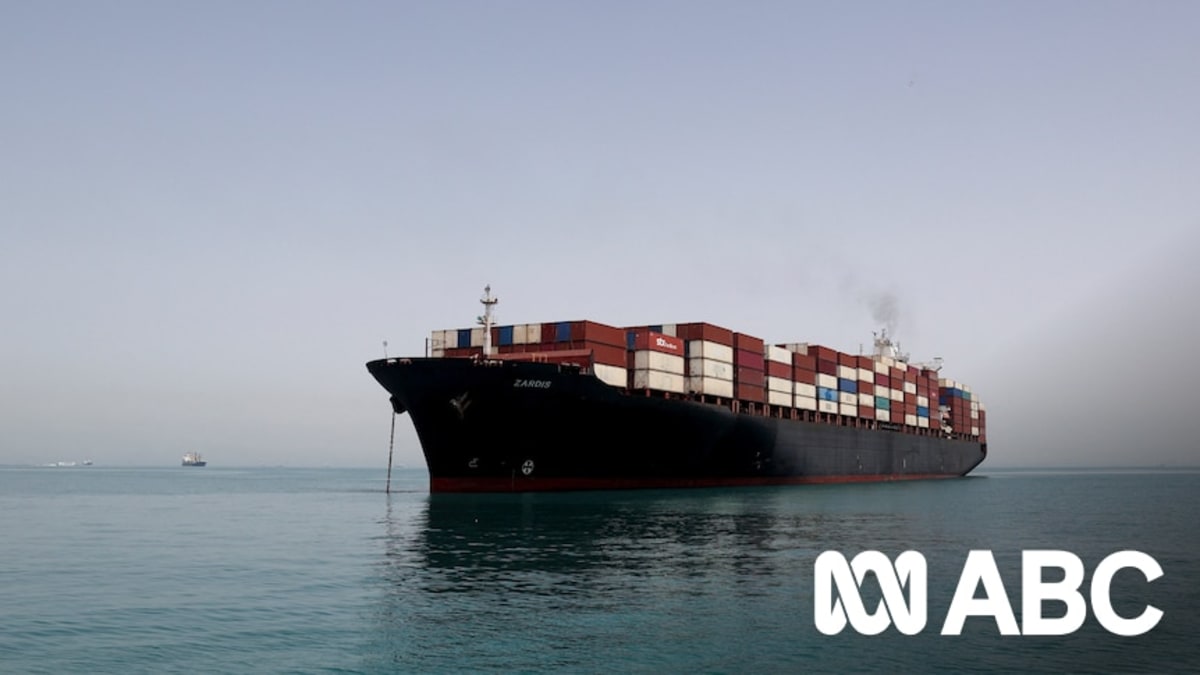
The tentative agreement would lift restrictions on the Strait of Hormuz, a narrow waterway that handles a significant portion of global oil trade. US Vice President JD Vance confirmed the progress while cautioning that final signatures from President Trump and Iran's Supreme Leader are still needed.
"We're not there yet, but we're very close and we're going to keep on working at it," Vance told reporters.
The reopening of the Strait could bring immediate relief to consumers and businesses worldwide. US Treasury Secretary Scott Bessent shared optimistic news about what this means for everyday Americans.
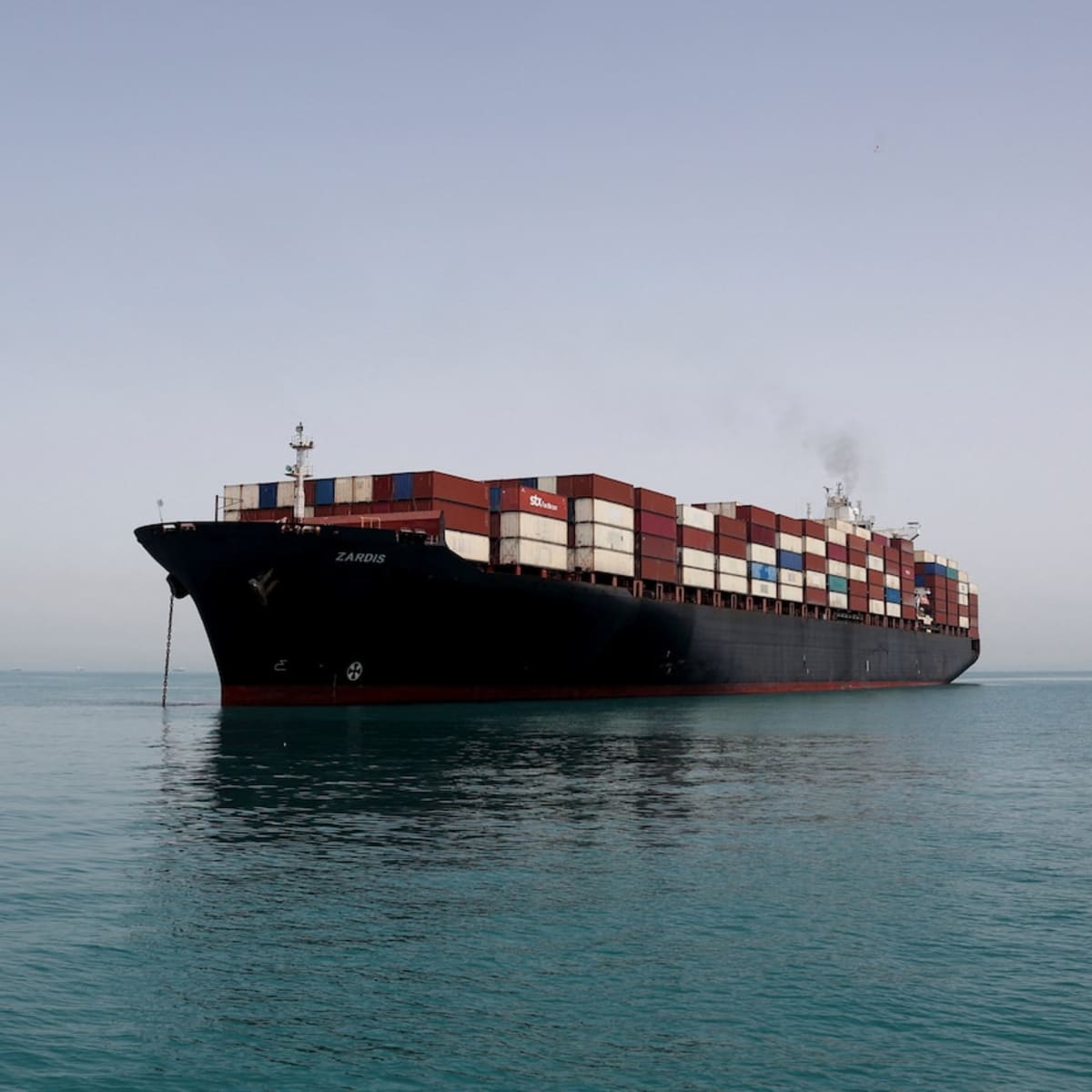
Nearly 2,000 ships are currently waiting to pass through the Gulf. Once they're cleared to move, Bessent expects gasoline prices could drop quickly as global oil supplies normalize.
The deal pushes detailed discussions about Iran's nuclear program to future negotiations, focusing instead on maintaining peace and restoring normal shipping operations. This practical approach has drawn support from officials who see it as a foundation for longer-term agreements.
The Ripple Effect
The impact of this potential deal reaches far beyond US and Iranian borders. Countries around the world depend on the Strait of Hormuz for energy supplies, making its closure a source of economic stress for millions of families facing higher prices at the pump.
If finalized, the agreement represents a shift from conflict to conversation. It shows that even nations with deep disagreements can find common ground when they prioritize stability and economic wellbeing.
The ceasefire extension would also give diplomats more breathing room to tackle harder issues like nuclear development and regional security. Building trust through smaller agreements often paves the way for breakthrough moments on larger challenges.
While uncertainty remains until signatures appear on paper, the progress itself deserves recognition. Negotiations continued even when previous announcements of imminent deals didn't materialize, showing persistence from both sides.
Peace rarely arrives in one dramatic moment, and this deal proves that truth once again.
More Images


Based on reporting by Google: peace agreement signed
This story was written by BrightWire based on verified news reports.
Spread the positivity!
Share this good news with someone who needs it