U.S. and Iran Reach Historic Peace Deal Text
After months of Pakistan-led mediation, the United States and Iran have finalized the text of a groundbreaking peace agreement that could be signed as early as Monday. The deal promises to reshape Middle East relations through verified nuclear disarmament and carefully structured sanctions relief.
A diplomatic breakthrough that seemed impossible just weeks ago is now within reach as the United States and Iran complete the final text of a historic peace agreement.
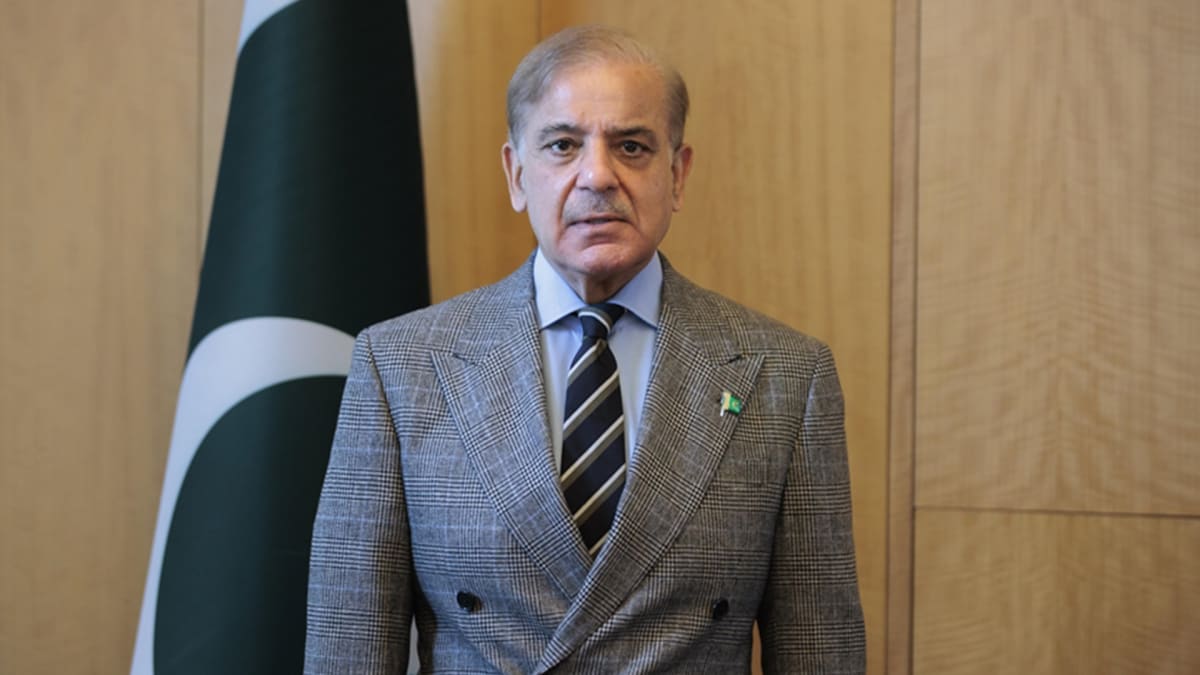
Pakistani Prime Minister Shehbaz Sharif announced Friday that Islamabad's mediation efforts have successfully brought Washington and Tehran to consensus on a comprehensive peace deal. President Donald Trump confirmed the progress, telling reporters he expects the agreement could be signed as early as Monday or by the middle of next week.
The negotiations mark a dramatic shift from earlier this month when military strikes seemed imminent. Now, both sides are expressing cautious optimism about a framework that could end decades of hostility.
Iranian Foreign Minister Abbas Araghchi said the proposed Islamabad Memorandum of Understanding had "never been closer" to completion. Trump responded by reposting Araghchi's message, signaling that diplomatic channels remain strong despite disagreements over how the deal is being portrayed publicly.
The agreement operates on a performance-based structure that ties benefits directly to verified actions. Iran would dismantle its nuclear program and destroy nuclear materials before receiving any sanctions relief or access to frozen assets.
Under the framework, Iran would also commit to keeping the Strait of Hormuz open for international shipping and ending support for terrorist organizations. Vice President J.D. Vance emphasized that "the Iranians are not receiving any cash" simply for signing, making clear that economic benefits flow only after Tehran fulfills its obligations.
Prime Minister Sharif acknowledged that unnamed parties have attempted to derail the process through disinformation campaigns. Despite these challenges, he said Pakistan coordinated closely with both nations to overcome obstacles and reach the final text.
The Ripple Effect
The implications extend far beyond Washington and Tehran. A successful agreement could stabilize oil markets, reduce tensions across the Persian Gulf, and create new economic opportunities throughout the Middle East.
Regional allies are watching closely as the deal promises to address long-standing security concerns while opening pathways for Iran to rejoin the global economy. The Strait of Hormuz, through which roughly 20 percent of the world's oil passes, would remain secure under the agreement's terms.
Pakistan's successful mediation also demonstrates that diplomatic solutions remain possible even in the most entrenched conflicts. Islamabad's patient work behind the scenes shows how neutral parties can bridge seemingly impossible divides.
The negotiations now enter their final procedural phase, with both sides coordinating on signing logistics and verification mechanisms. While details remain confidential until finalization, officials describe the framework as comprehensive and carefully balanced.
Trump asked Iranian officials to publicly clarify reports in state media about the agreement's contents, saying those reports don't accurately reflect the negotiated terms. Both sides appear committed to ensuring public messaging aligns with what was actually agreed upon.
After decades of hostility and months of painstaking negotiation, peace between the United States and Iran has never been closer to reality.
Based on reporting by Google: peace agreement signed
This story was written by BrightWire based on verified news reports.
Spread the positivity!
Share this good news with someone who needs it