US and Iran Signal Progress Toward Diplomatic Talks
After weeks of military threats and rising tensions in the Gulf, both the United States and Iran confirmed they're opening communication channels to avoid armed conflict. Regional allies including Qatar, Turkey, and Saudi Arabia are actively working to bring both sides to the negotiating table.
Diplomatic breakthroughs sometimes happen quietly, and this weekend brought a welcome shift in one of the world's most dangerous standoffs.
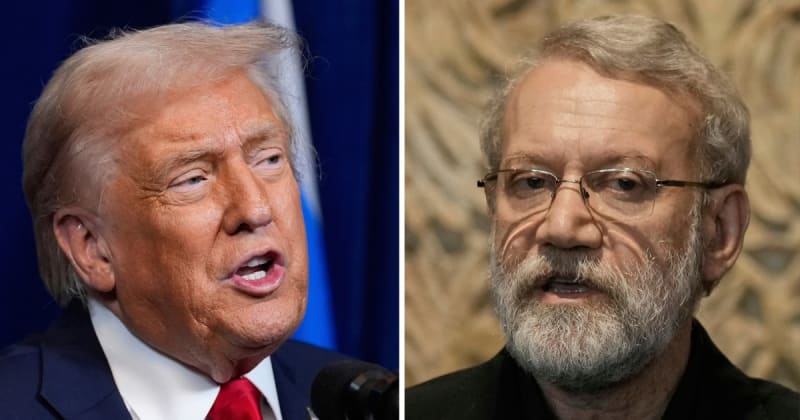
Both Iran and the United States confirmed Saturday they're making progress toward negotiations that could prevent military conflict in the Gulf region. President Trump told reporters that Iran is "seriously talking" with Washington, just hours after Iran's top security official Ali Larijani announced that "the formation of a framework for negotiations is progressing."
The timing couldn't be more critical. Weeks of escalating threats had pushed the region toward potential confrontation, with a US aircraft carrier group heading toward Iranian waters and both sides exchanging warnings.
But instead of escalation, diplomacy is gaining ground. Larijani's statement pushed back against what he called an "artificially manufactured media war narrative," suggesting that behind the heated rhetoric, actual progress is happening.
Trump acknowledged the complexity ahead, saying he hoped Iran would agree to a deal on nuclear weapons but adding, "I don't know if they will." Still, the fact that both sides are confirming active communication represents a significant shift from recent weeks of threats and counterthreats.
The Ripple Effect
The diplomatic momentum isn't happening in isolation. Qatar's Prime Minister Sheikh Mohammed bin Abdulrahman flew to Tehran Saturday specifically to discuss de-escalation efforts, emphasizing the need to "spare the peoples of the region the consequences of escalation."
Turkey has been actively engaging with both Washington and Tehran, leveraging its position as a NATO member that shares a border with Iran. The Turkish government has made clear it opposes any foreign military intervention and supports dialogue as the only path forward.
Even more striking is Saudi Arabia's position. Crown Prince Mohammed bin Salman personally assured Iranian President Masoud Pezeshkian that Saudi Arabia wouldn't allow its airspace or territory to be used for attacks against Iran. This represents a remarkable evolution in Saudi-Iranian relations, especially given their historic rivalry.
The United Arab Emirates has joined these regional diplomatic efforts as well. Multiple Gulf nations are coordinating to create space for Washington and Tehran to find common ground.
Iran's Foreign Minister Abbas Araghchi has maintained that his country remains open to talks, but only once threats of military action stop. While tensions remain high, particularly around Iranian military exercises planned in the strategic Strait of Hormuz, the diplomatic channels now opening offer an alternative path.
As Al Jazeera's correspondent in Tehran noted, the situation remains "fragile and delicate," but Larijani's statement about negotiation progress is undeniably "positive." Sometimes the most important news isn't about what happened, but what might be prevented from happening.
Based on reporting by Al Jazeera English
This story was written by BrightWire based on verified news reports.
Spread the positivity!
Share this good news with someone who needs it