US and Scotland Unite to Build Better Fisheries Together
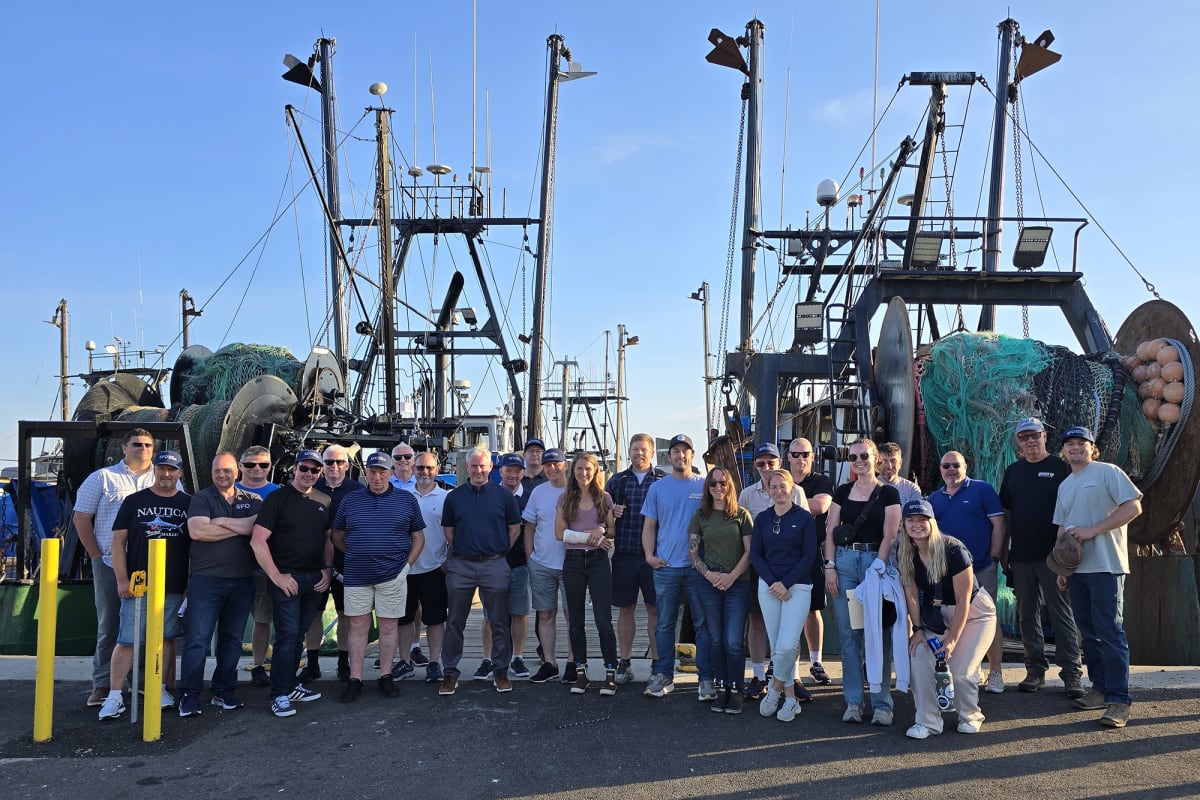
Scottish fishing leaders just spent three days touring American ports, learning how fishermen and scientists can work together to protect shared ocean resources. The first-ever international cooperative research exchange revealed that fishing communities on both sides of the Atlantic face remarkably similar challenges.
When 16 members of the Scottish Fishermen's Organisation arrived in Rhode Island last month, they discovered something surprising: American and Scottish fishermen are dealing with nearly identical problems thousands of miles apart.
The three-day visit marked the first international cooperative research gathering hosted by NOAA Fisheries. Scotland is currently revising national fisheries policies and wanted to see how the Northeast uses collaborative research between fishermen and scientists to manage shared species like Atlantic cod, haddock, mackerel, and herring.
The Scottish visitors toured 12 commercial fishing vessels, six seafood processing facilities, and four different ports. They watched catches being offloaded, processed, and prepared for market. Peter Lovie, captain of a Scottish fishing vessel, was impressed by American operations where vessels catch, process, and sell directly to restaurants. "That doesn't happen in Scotland," he noted.
But the real breakthroughs happened during roundtable discussions where Scottish fishermen sat down with American industry partners, scientists, managers, and nonprofits. They explored successful projects like environmental monitors on lobster traps, squid research initiatives, and Atlantic mackerel studies where fishermen contribute directly to data collection.
Chris Roebuck, owner of several fishing vessels and a seafood company, shared his years of cooperative research experience. These collaborations help fill knowledge gaps while building crucial relationships between people who fish and people who study fish populations.
The Ripple Effect
The conversations revealed something powerful: fishermen everywhere face the same struggles. Both regions are dealing with aging fishing fleets, difficulty attracting younger workers, rising costs, shrinking fishing areas, and gaps between scientific research and management decisions.
Most importantly, both communities struggle with trust between fishermen and scientists. Participants agreed that involving industry early in research design helps incorporate fishermen's real-world expertise and builds confidence in results.
John Anderson, chief executive of the Scottish organization, sees huge potential. "While we do engage in some cooperative research in Scotland, there are real opportunities to develop a more cohesive and strategic approach similar to the model being used in the Northeast," he explained.
Anna Mercer, who leads NOAA's Cooperative Research Branch, carefully designed the event to showcase diverse perspectives. "Our goal was to unite these distinct voices, providing the organization with a holistic view of regional challenges and opportunities, alongside actionable recommendations," she said.
The visit proved that ocean conservation works best when the people who depend on healthy fish populations help shape the science and management decisions. When fishermen and scientists collaborate across borders, everyone benefits from shared knowledge and solutions.
Based on reporting by Google: cooperation international
This story was written by BrightWire based on verified news reports.
Spread the positivity!
Share this good news with someone who needs it