US Battery Storage Jumped 30% in 2024, Powers 5M Homes
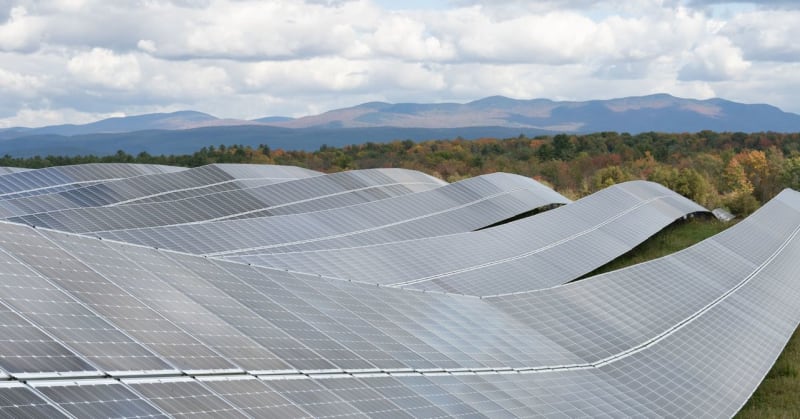
America just added a record 57 gigawatt hours of battery storage to the grid in 2024, enough to power more than 5 million homes. Even better, the boom is happening in red states like Texas, proving clean energy can win on pure economics.
America just pulled off something remarkable: the country installed more battery storage in 2024 than ever before, and it happened during an administration openly hostile to renewable energy.
The US added 57 gigawatt hours of new energy storage to the grid last year, according to a new report from the Solar Energy Industries Association. That's a 30 percent jump from the year before and enough capacity to power more than 5 million homes annually.
The numbers get even better. Industry experts predict another 21 percent increase by the end of this year, adding 70 more gigawatt hours in 2025 alone.
To put this in perspective, less than a decade ago, the entire US grid had only about half a gigawatt of storage total. The growth has been explosive.
Why This Inspires
The battery boom is happening where skeptics said it couldn't. Texas, a deep red state, is about to overtake California this year as the state with the most battery storage deployed.
The reason? Pure economics. Texas runs an independent, largely deregulated power grid that lets the market decide what works best. Batteries and solar are winning on their own merits, no politics required.
"Texas basically says, 'I don't care about your cultural bias,'" says Jigar Shah, managing partner at advisory firm Multiplier. "These are the market signals. You guys do what you want to do."
Last summer, solar met more than 15 percent of Texas' electricity demand, beating out coal for the first time. The state's success is so undeniable that even some MAGA voters now support solar in recent polling.
The growth isn't just about clean energy ideology. It's about solving real grid problems as electricity demand skyrockets nationwide.
Most batteries installed last year were standalone systems not tied to specific solar projects. These batteries help grids handle peak demand more efficiently by storing excess energy during quiet times and releasing it when everyone needs power at once.
On average, US energy grids use only about 50 percent of their available capacity. Batteries help squeeze more value from infrastructure Americans have already paid for.
"The only way to really get more out of the grid that we've already paid for is to put batteries on both sides," Shah explains. They charge when demand is low and discharge during the few hundred hours each year when usage peaks.
Behind the meter storage is growing too, especially as data centers look for faster ways to get power without waiting years to connect to the main grid.
There are potential roadblocks ahead. Washington cut tax credits for solar projects last year, and restrictions on Chinese manufacturers could impact supply chains. But battery tax credits mostly survived, showing rare bipartisan support.
The real protection for batteries may come from simple math: they help lower electricity costs and stabilize grids, two things everyone can support regardless of politics.
More Images



Based on reporting by Google News - Clean Energy
This story was written by BrightWire based on verified news reports.
Spread the positivity!
Share this good news with someone who needs it