US Cities Let Golf Carts on Roads Despite Federal Rules
Towns across America are making it easier for residents to drive golf carts on public streets, even when the vehicles don't meet federal safety standards. The shift is turning golf carts into legitimate transportation for short trips in small communities.
Forget everything you thought you knew about golf carts being stuck on the greens. Cities across America are quietly rewriting the rules to let these small, slow vehicles cruise public streets legally, and it's changing how people get around their neighborhoods.
The technical truth is that golf carts need to meet federal Low Speed Vehicle standards to hit public roads. That means backup cameras, pedestrian warning sounds, special lighting, and about a dozen other safety requirements. Most golf carts sold in the US don't qualify.
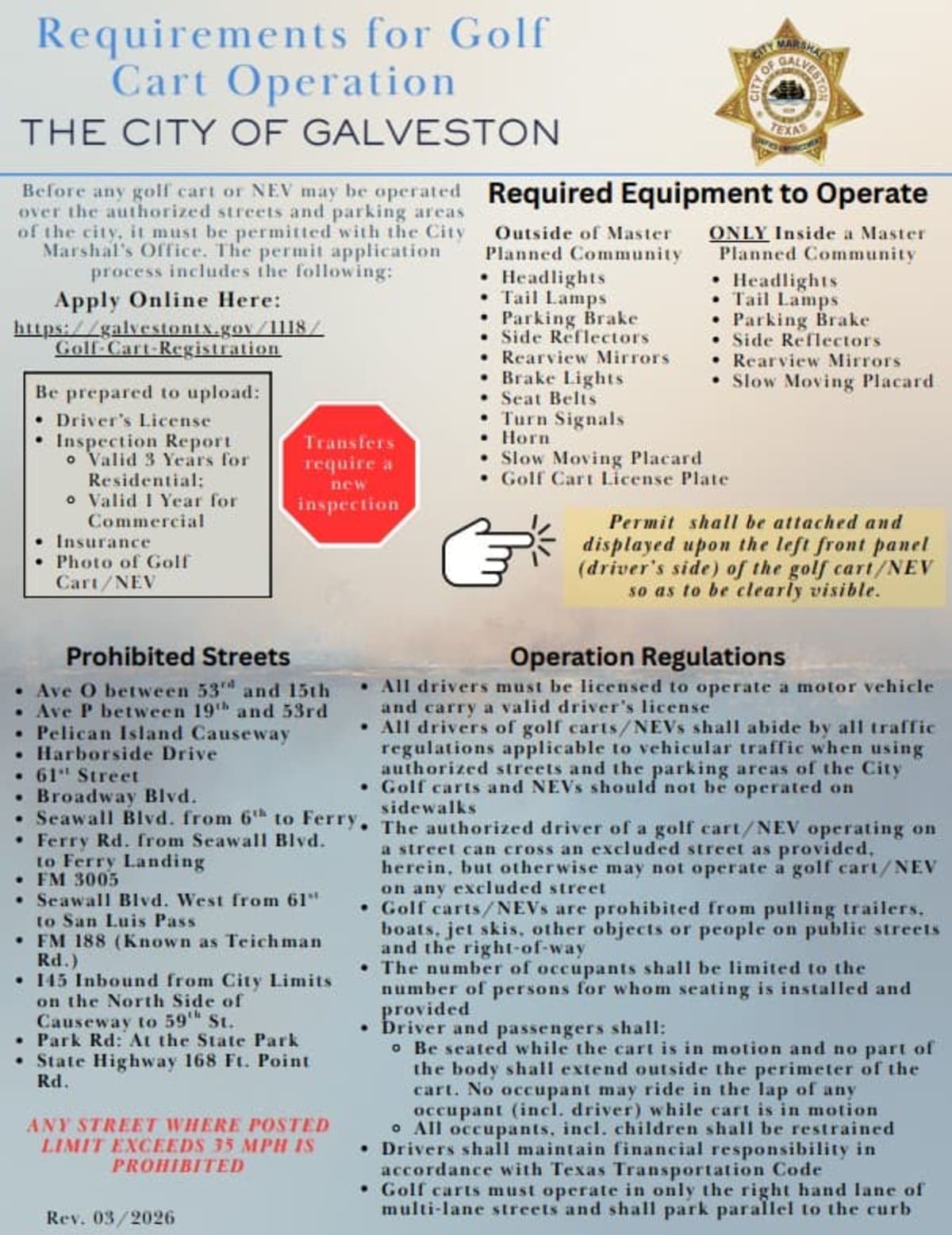
But local governments are finding creative ways around the red tape. Michigan now lets towns under 30,000 people pass their own golf cart ordinances. Beach towns like Galveston, Texas welcome them on roads with 35 mph speed limits or lower, as long as drivers get a city permit sticker.
Cities like Wahoo, Nebraska and Lake Saint Louis, Missouri have created simple local registration programs. They focus on basic safety features like reflectors, seat belts, and lights, while skipping the stricter federal requirements that many golf carts can't meet anyway.
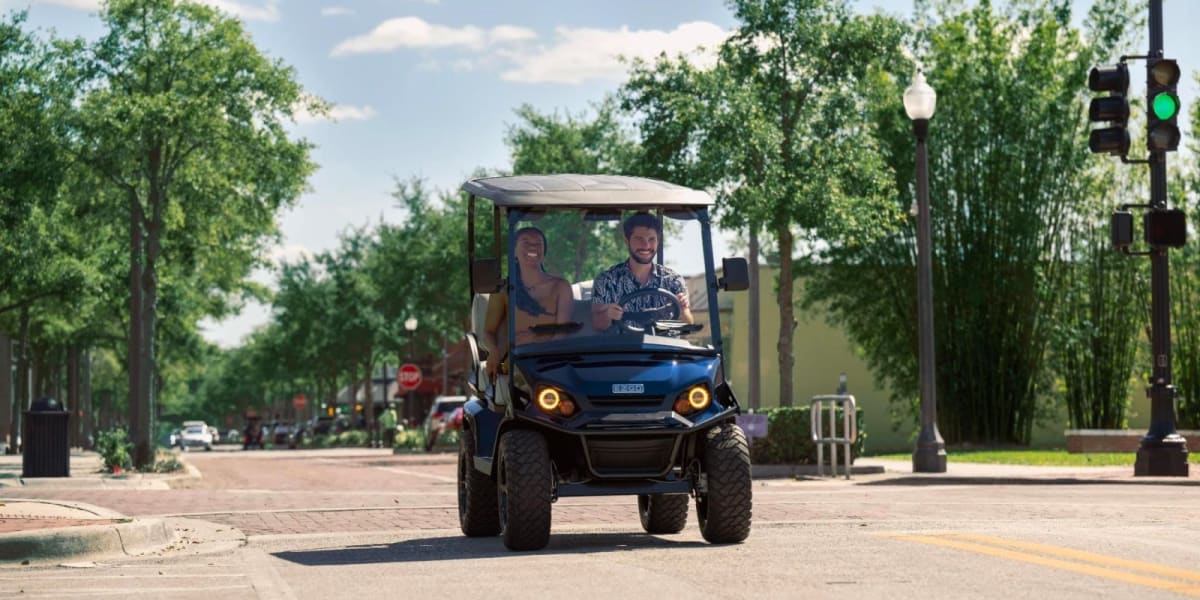
The change makes sense when you look at how people actually use these vehicles. In small towns, retirement communities, and beach areas, golf carts handle short grocery runs, school pickups, and neighborhood visits perfectly well at their 20 to 25 mph top speed.
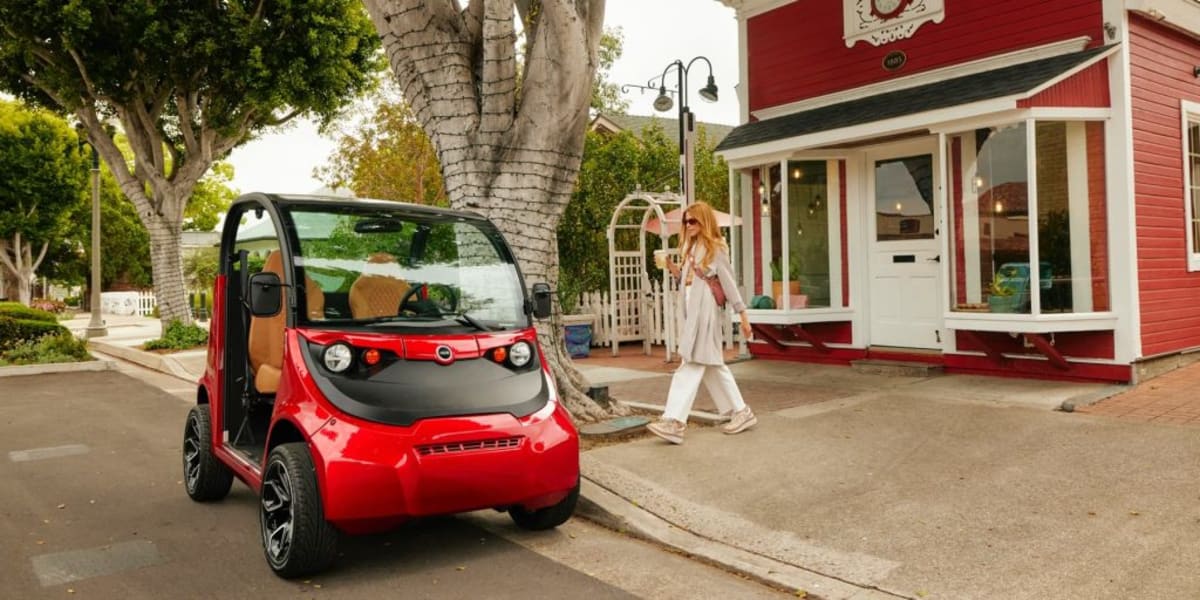
They fill an interesting sweet spot in transportation. Golf carts offer more comfort and cargo space than electric bikes, with room for multiple passengers and some weather protection. Yet they cost a fraction of what cars do, with lower insurance, simpler maintenance, and fewer regulatory headaches.
The Ripple Effect
This shift could reshape how we think about getting around close to home. When communities design for slower, simpler vehicles instead of requiring full sized cars for every trip, it opens doors for more people to stay mobile without the expense and complexity of traditional transportation.
Families can save money on second vehicles. Older adults can maintain independence longer. Beach visitors can skip the parking hassles. And neighborhoods built around short distances suddenly become more accessible to everyone.
The humble golf cart is proving that sometimes the best solution isn't the most advanced one, just the one that fits how people actually live.
More Images

Based on reporting by Electrek
This story was written by BrightWire based on verified news reports.
Spread the positivity!
Share this good news with someone who needs it