U.S. Could Cut Plastic Waste 11% Through Reuse Programs
New research shows America can slash plastic pollution and save taxpayers billions through proven policies already working in five states. The tools to fix our plastic problem are here and ready to scale.
Americans are on track to face nearly $37 billion in annual plastic waste costs by 2040, but scientists just mapped out how to avoid that future.
A groundbreaking analysis by The Pew Charitable Trusts reveals that simple policy changes could dramatically reduce the mountains of plastic choking our waterways and landscapes. The best part? These aren't wishful ideas but proven strategies already working in states like Oregon, Maine, and Washington.
The numbers paint a clear picture of what's at stake. By 2040, America will generate an additional 1 billion tons of plastic waste from households and businesses alone. That surge will dump over 30 million tons of pollution into our environment and drive waste management costs up by 30%.
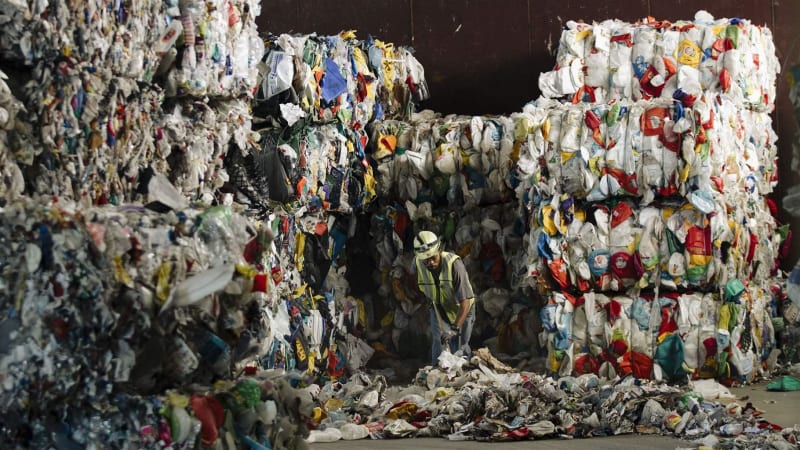
Packaging is the biggest culprit, making up more than half of all plastic waste. Those snack wrappers and single-use containers you toss daily? They account for a quarter of the entire plastic waste problem.
But here's where the story gets hopeful. Researchers modeled what would happen if just 13% of single-use packaging shifted to reusable containers made from plastic, metal, or glass. The results were striking: an 11% drop in packaging waste, 12% less pollution, and over $1 billion saved annually for taxpayers.
The study also examined bottle deposit programs, which already work in 10 states. A nationwide system would cut beverage bottle pollution by 41% and triple America's recycling rate to 15% by 2040. That change alone would save nearly $700 million in landfill costs each year and create 11,000 new jobs.
Even better results come from improving how we collect and sort recyclables. Quadrupling collection efforts would create more than 17,000 jobs while capturing far more types of plastic packaging than we manage today.
The researchers didn't just look at waste. They tracked impacts on jobs, costs, and even greenhouse gas emissions. While some approaches increase emissions slightly, they're offset by using recycled materials instead of making new plastic from scratch.
The Ripple Effect
Five states have already passed laws requiring restaurants to use reusable serviceware and mandating refillable packaging for certain products. These pioneers are proving the system works, creating a roadmap other states can follow.
The job picture tells an important story too. While waste management jobs would decline by 4% under reuse programs, they'd be replaced by safer positions in reuse systems. Nobody should have to risk their health sorting through garbage when better options exist.
The research focused on the three biggest pollution sources: packaging waste, microplastics from clothing, and tire particles. Together, these account for the majority of plastic pollution Americans generate daily without even thinking about it.
Perhaps most encouraging is that combining all these policies together delivers even greater results than any single approach. We don't have to choose just one solution when we can deploy them all.
The tools to fix America's plastic crisis are sitting on the shelf, tested and ready to go.
Based on reporting by Google News - Plastic Reduction
This story was written by BrightWire based on verified news reports.
Spread the positivity!
Share this good news with someone who needs it