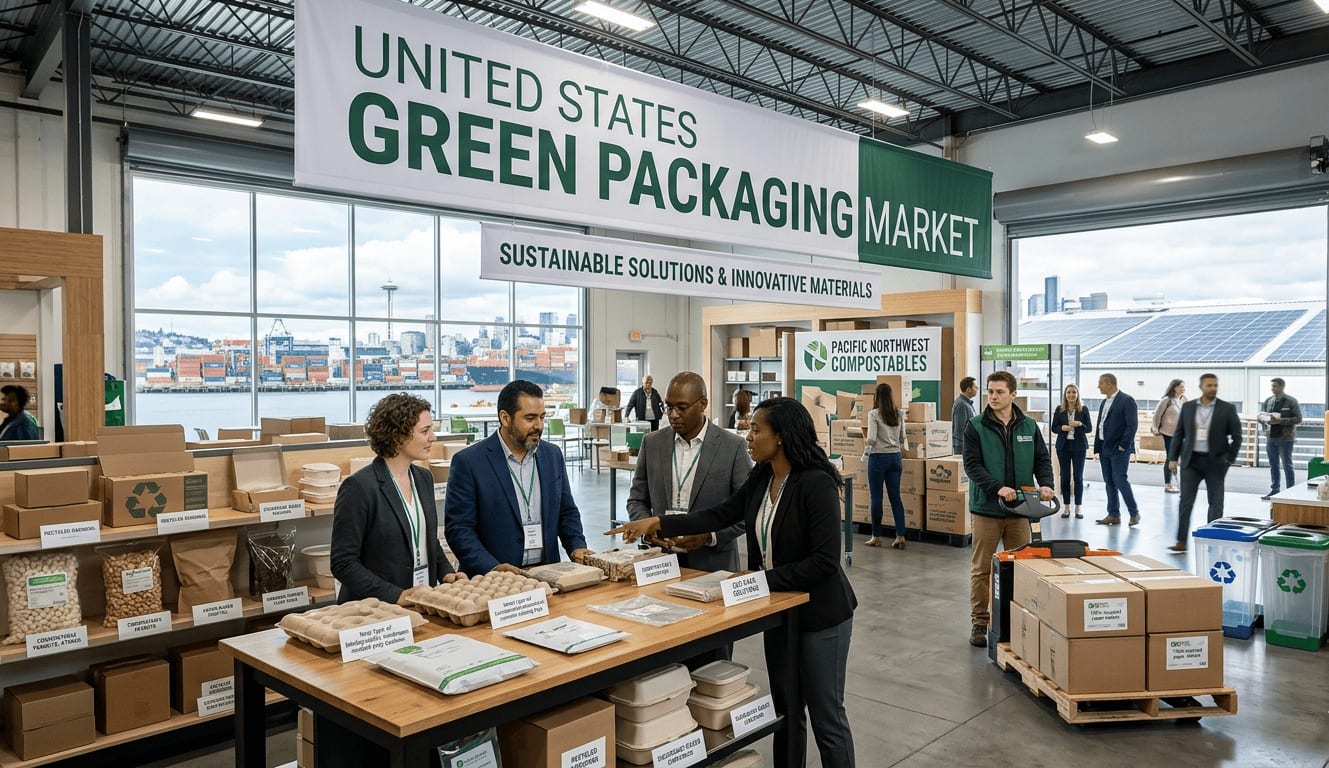
U.S. Green Packaging Market to Hit $108B by 2034
American companies are racing to ditch plastic waste with eco-friendly packaging that actually works, creating a market set to reach $108 billion in less than a decade. From compostable films to refillable containers, brands are proving sustainability and quality can go hand in hand. #
American shoppers are voting with their wallets, and the message is clear: they want less plastic and more planet-friendly packaging. The result is a packaging revolution transforming how products reach our homes, with the U.S. green packaging market projected to grow from $76.79 billion in 2025 to $108.34 billion by 2034.
Green packaging means materials that reduce environmental harm throughout a product's life. We're talking recycled paper, biodegradable polymers, compostable films, and reusable containers that break down naturally or keep circulating instead of choking landfills and oceans.
What started as a niche trend has become mainstream, driven by consumers who now scrutinize every box and wrapper. People are asking tough questions about packaging waste, plastic use, and where materials come from, rewarding brands that answer honestly with greater loyalty.
The boom in online shopping is accelerating the shift. E-commerce giants are investing in lightweight, recyclable shipping materials and minimalist designs that protect products without excess waste. With millions of packages arriving daily, every ounce of unnecessary packaging multiplies into environmental damage.
Technology is solving the old complaints about green materials being flimsy or unreliable. Scientists have developed water-resistant biodegradable papers and durable compostable films that match traditional packaging performance. Better recycling infrastructure now supports these innovations across supply chains.
Food and beverage companies are leading the charge with compostable food containers. Personal care brands are rolling out refillable systems that let customers reuse the same bottle dozens of times. Even medical and pharmaceutical industries are researching sustainable materials that meet strict safety standards.
Government regulations are pushing hesitant companies forward with plastic reduction mandates and higher recycling targets. States across America are implementing waste management policies that make eco-friendly packaging not just good PR but good business sense.
The Ripple Effect
This packaging transformation is creating jobs in green manufacturing while reducing the plastic pollution poisoning our oceans and wildlife. Every compostable coffee cup and recycled shipping box represents progress toward a circular economy where materials stay in use instead of becoming trash.
Major retailers are setting ambitious goals to eliminate plastic waste and increase recycled content in packaging. These commitments ripple through entire supply chains, encouraging suppliers and manufacturers to innovate cleaner solutions.
The movement proves that environmental responsibility and business success can grow together, creating a future where getting a package in the mail doesn't mean contributing to landfill mountains.
#
More Images



Based on reporting by Google News - Plastic Reduction
This story was written by BrightWire based on verified news reports.
Spread the positivity!
Share this good news with someone who needs it