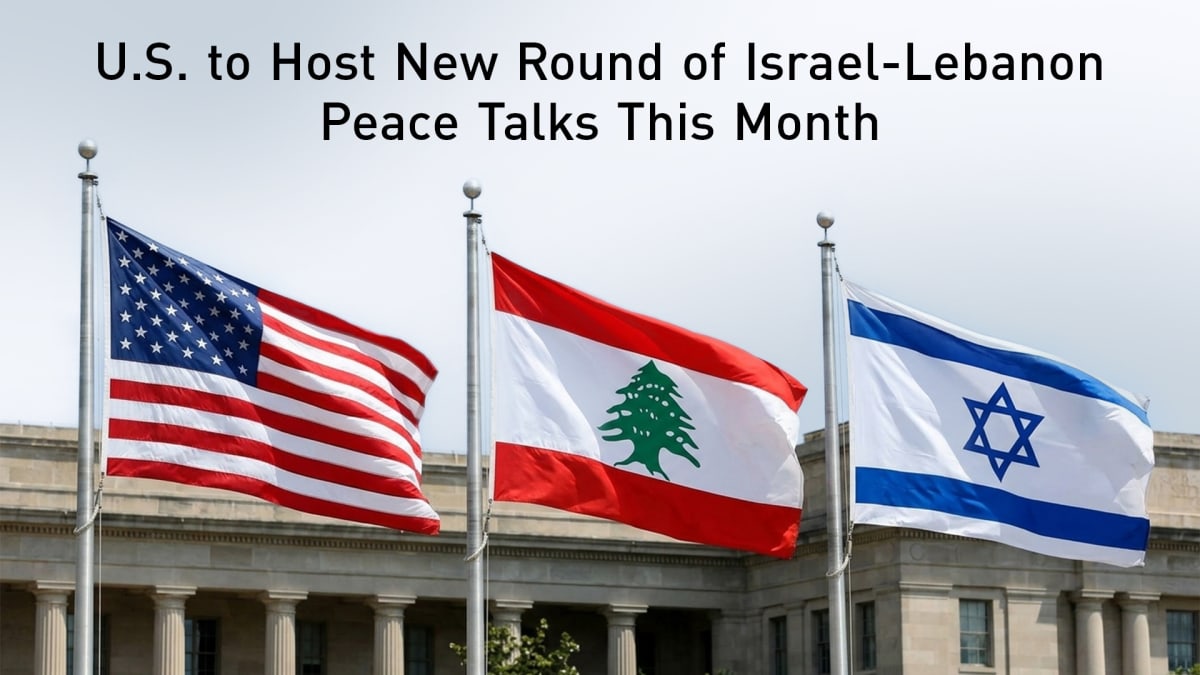
U.S. Hosts Israel-Lebanon Peace Talks This Month
The United States will bring Israeli and Lebanese officials together on May 14-15 for intensive peace negotiations aimed at ending decades of conflict. The talks could mark a turning point toward stability for over a million displaced Lebanese families.
After months of fighting that displaced over a million people in Lebanon, diplomatic hope is returning to the region with a new push for lasting peace.
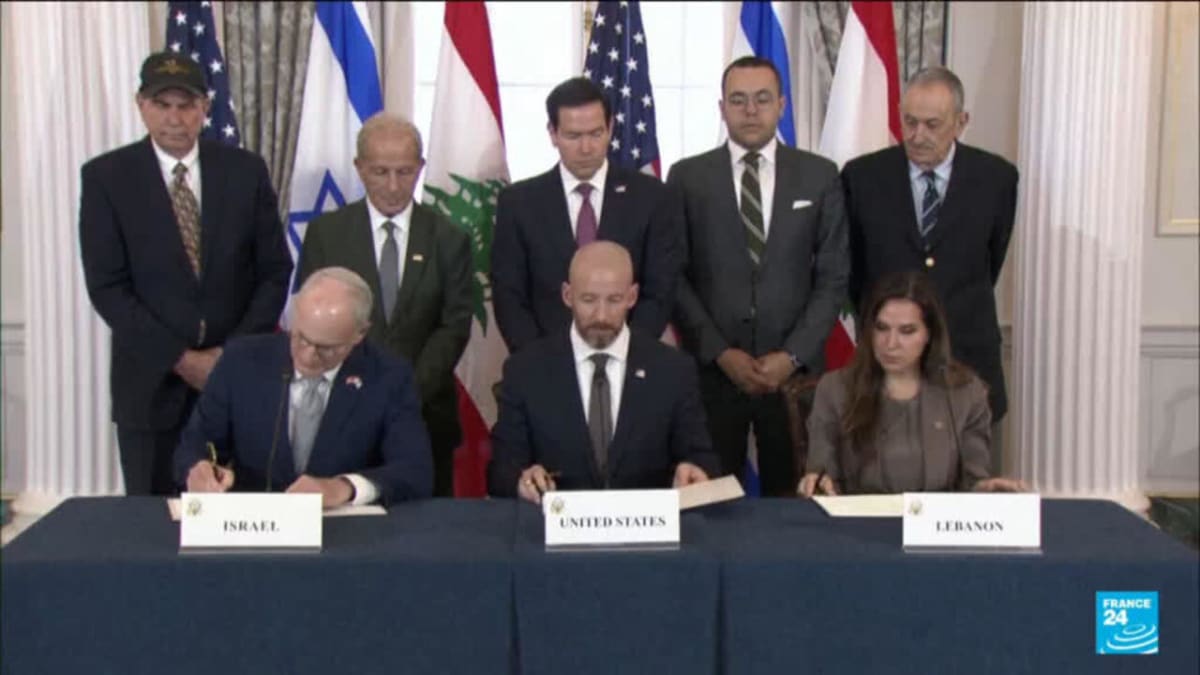
The United States announced Friday it will host high-level talks between Israel and Lebanon on May 14 and 15 in Washington. The two-day negotiations continue discussions that began under President Trump's supervision on April 23, aiming to create a comprehensive security framework that could end decades of tension along the Israeli-Lebanese border.
Secretary of State Marco Rubio emphasized that any lasting agreement centers on empowering Lebanon's government to control its own territory. The talks will address critical issues including precise border lines, humanitarian aid access, and reconstruction planning for communities devastated by years of instability.
The diplomatic momentum follows a major White House meeting on April 24 that Trump described as going "very well." That session, which included Vice President JD Vance and ambassadors from both nations, resulted in extending the current ceasefire for three additional weeks.
The negotiations also reflect changing dynamics inside Lebanon itself. Lebanese authorities have taken unprecedented steps this year to assert that decisions about war and peace belong exclusively to the state, not armed groups.
For families caught in the crossfire, the talks represent something more tangible than political maneuvering. More than a million displaced Lebanese residents are waiting to return home, while communities on both sides of the border hope for an end to rocket attacks and airstrikes that have killed thousands since fighting reignited in March.
The Bright Side
Regional experts see these negotiations as part of a broader shift toward diplomatic solutions across the Middle East. Unlike past attempts that focused narrowly on ceasefires, the current framework addresses underlying security concerns that have prevented lasting peace for two decades.
The involvement of both countries at the highest levels, combined with growing internal pressure in Lebanon for state authority over military decisions, creates conditions that haven't existed in previous peace attempts.
Washington officials describe the talks as a "historic turning point" that could reshape regional security for generations. While significant obstacles remain, particularly regarding armed groups and regional influence, the fact that Israeli and Lebanese representatives are sitting together represents progress that seemed impossible just months ago.
For the million-plus displaced families waiting to rebuild their lives, these conversations carry the weight of hope.
Based on reporting by Google News - Peace Agreement
This story was written by BrightWire based on verified news reports.
Spread the positivity!
Share this good news with someone who needs it