U.S. Hydropower Poised for Comeback With Storage Boom
America's hydropower plants have been quietly powering homes for over a century, and now a new wave of water-based energy storage projects could help meet surging electricity demand. The once-forgotten renewable energy source is getting fresh attention as tech companies seek carbon-free power for data centers.
Hydropower has been quietly keeping the lights on across America for generations, but it's about to step back into the spotlight.
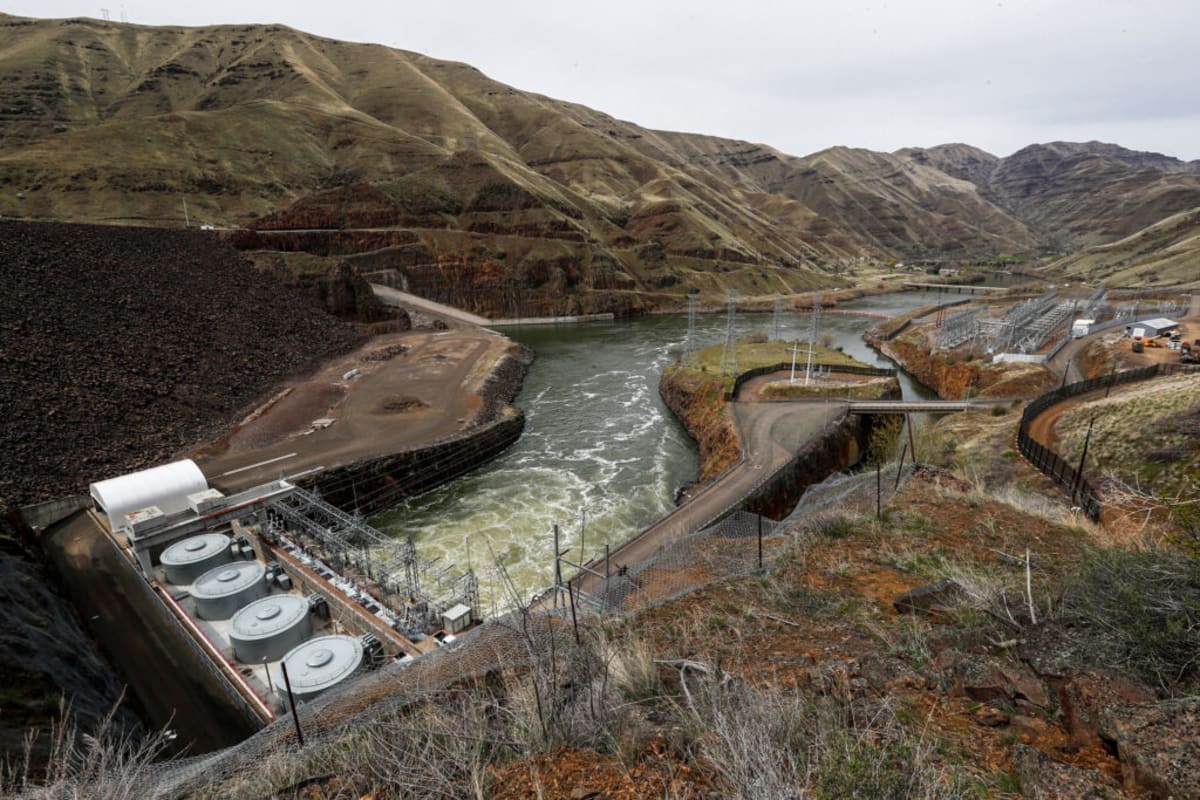
The renewable energy source that powered the country long before solar panels and wind turbines existed now generates 5.6 percent of U.S. electricity. It's still the top power source in Washington state and Oregon, spinning turbines at dams that are often more than 50 years old.
But something exciting is happening. A new type of hydropower called pumped storage is gaining momentum, and it could be exactly what the country needs as electricity demand soars.
Pumped storage works like a giant rechargeable battery. Plants pump water uphill to a reservoir, then release it through turbines when electricity is needed. It's a simple concept that solves a major problem: how to store clean energy for when the sun isn't shining and the wind isn't blowing.
Several major projects are now in development. The Goldendale Energy Storage project in Washington state would deliver 1,200 megawatts of capacity, enough to power hundreds of thousands of homes. The Tennessee Valley Authority is planning its own pumped storage facility at Rorex Creek in Alabama.
Malcolm Woolf, president of the National Hydropower Association, says the timing couldn't be better. "Hydropower has never been more important on the grid," he told reporters this week. Technology companies building data centers are hungry for carbon-free electricity, and hydropower can deliver it reliably.
Traditional hydropower hasn't seen much growth in decades. The last time more than 1,000 megawatts went online in a single year was 1985. Most new projects today are tiny, like California's 1-megawatt Waterman Turnout station that started up in 2024.
Other countries are still building big. British Columbia's Site C dam came online last year after 10 years of construction, delivering 1,100 megawatts of clean power. The $12 billion price tag and lengthy timeline show why U.S. utilities have been cautious.
Why This Inspires
What makes hydropower's potential comeback inspiring is how it shows that old solutions can find new purpose. These dams have been standing for generations, and now they're getting a second look as America races to meet climate goals and power an increasingly electric world.
The industry is working to streamline licensing for aging plants and secure funding for new ones. With both political parties expressing support and technology companies seeking reliable clean energy, the conditions are right for hydropower to reclaim some of its former prominence.
Water has been powering human progress since the first mill wheel turned, and it's not done yet.
Based on reporting by Google News - Clean Energy
This story was written by BrightWire based on verified news reports.
Spread the positivity!
Share this good news with someone who needs it