U.S. Invests $12M to Power Space with Advanced Solar Tech
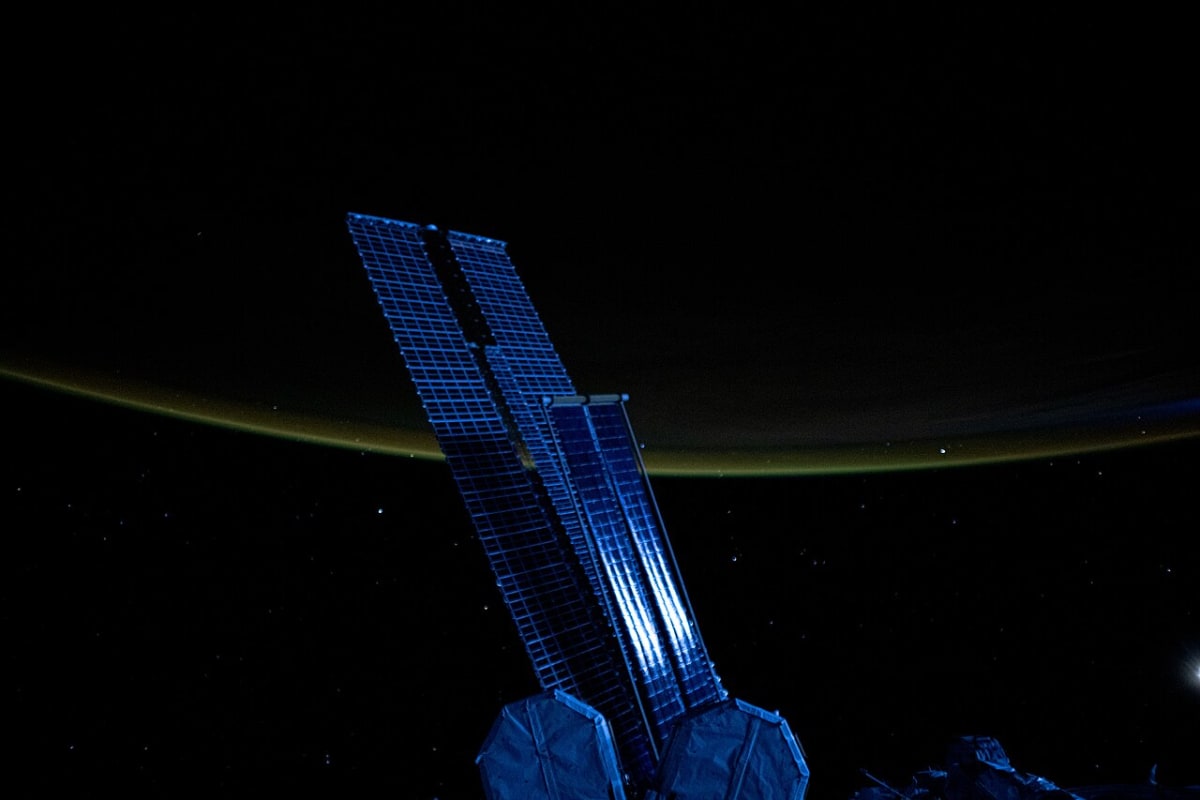
The Department of Energy just launched a $12 million program to revolutionize solar panels built for space, where American innovation has led the world since 1958. These aren't your rooftop panels—they need to survive extreme radiation and last over a decade in orbit.
America is doubling down on its decades-long leadership in space solar technology with a funding opportunity that could change how we power everything from satellites to future data centers orbiting Earth.
The Department of Energy announced $12 million in grants for researchers and companies developing next-generation solar cells designed specifically for the harsh realities of space. Unlike panels on your neighbor's roof, these need to withstand intense radiation, extreme temperature swings, and the vacuum of space while weighing as little as possible.
The timing matters. China banned exports of gallium and germanium to the U.S. in December 2024, two critical materials for current space solar panels. While that ban is temporarily suspended, it resumes in November 2026, making American innovation in this field more urgent than ever.
The program splits funding into two tracks. Five to nine awards totaling $8 million will support lab research into high-performance, durable solar cells. Another two to three awards worth $4 million will help scale up manufacturing and test prototypes in actual space conditions.
The DOE wants specific breakthroughs. For traditional space solar cells, they're seeking techniques to reuse expensive materials five times while maintaining top efficiency. For silicon-based cells like those used on Earth, they want designs that keep 80 percent of their power after a decade in high-radiation orbits. And for cutting-edge perovskite technology, they're pushing for cells that survive everything space throws at them while converting over 30 percent of sunlight to electricity.
Space solar cells currently cost over 100 times more than Earth-based panels. Manufacturing is slow, difficult to automate, and wastes precious materials. Fixing these problems could dramatically expand what's possible in orbit, from powering growing satellite networks to the ambitious dream of beaming clean energy back to Earth.
The Ripple Effect
This investment extends beyond satellites. As space becomes more accessible, reliable power systems will determine what humanity can achieve there. Better manufacturing processes mean more affordable missions, whether that's monitoring climate change, expanding internet access to remote areas, or supporting future space exploration.
The U.S. launched Vanguard 1, the world's first solar-powered satellite, in March 1958. Nearly 70 years later, America remains the global leader in space solar technology, one of the few solar sectors where that's still true.
Applications close October 8, 2026, with winners announced in December. Funded projects can run up to three years, giving teams time to develop technologies that could power the next generation of space missions while strengthening domestic supply chains for critical materials.
The future of space runs on sunlight, and America is investing in keeping that technology homegrown.
More Images


Based on reporting by PV Magazine
This story was written by BrightWire based on verified news reports.
Spread the positivity!
Share this good news with someone who needs it