US Invests $700M to Help Homeless With Mental Illness
The US Health Department is committing over $700 million to provide mental health and addiction treatment for people experiencing homelessness. Eight communities will receive immediate funding to connect people living on the streets with comprehensive care and recovery services.
Hundreds of millions of dollars are heading to communities across America to help people struggling with mental illness and homelessness find treatment and hope.
The US Health Department announced this week it will invest more than $700 million in programs designed to address the mental health crisis fueling homelessness nationwide. The funding represents one of the largest federal commitments to integrated mental health and housing support in recent years.
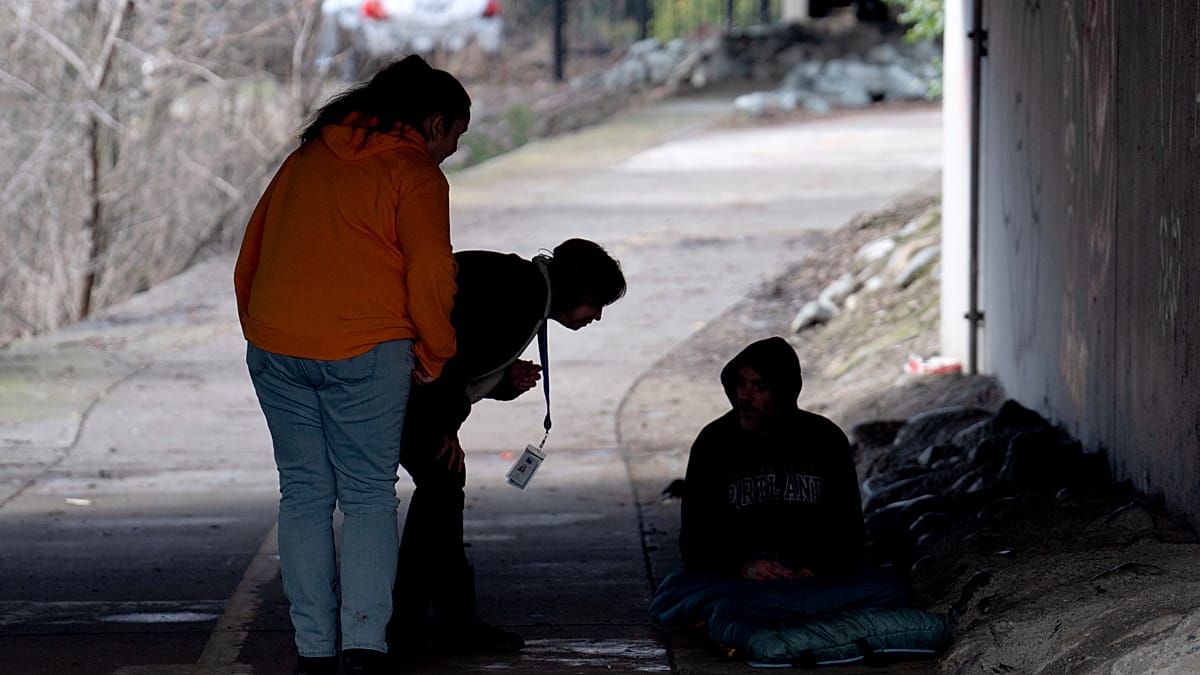
Eight communities will receive $96 million over the next four years specifically for street-based outreach programs. These teams will connect directly with homeless individuals suffering from addiction and serious mental illness, offering immediate pathways to treatment and recovery.
The programs bring together local governments, healthcare providers, housing agencies, law enforcement and courts to coordinate care. Instead of fragmented services, people will receive comprehensive support that addresses both their immediate needs and long-term recovery.
The remaining $612 million will fund a broader range of mental health initiatives across the country. This includes expanding access to addiction treatment, strengthening the national Suicide and Crisis Lifeline, and supporting rural healthcare services that often lack mental health resources.
Special attention goes to populations with urgent needs. Children, young people and Indigenous communities will receive dedicated mental health support through these programs.
The Ripple Effect
When someone moves from the streets into stable housing and treatment, entire communities benefit. Families reunite. Emergency services can focus resources more effectively. Neighborhoods become safer and more connected.
The coordinated approach also means better outcomes for individuals. Research shows that integrated services addressing housing, mental health and addiction simultaneously produce higher success rates than treating these challenges separately.
Rural communities stand to gain significantly from this investment. Many areas have struggled for years with limited access to mental health professionals and treatment facilities, leaving vulnerable residents with nowhere to turn during crisis.
Health Secretary Robert F. Kennedy Jr. emphasized the human impact of the investment. "These investments will help move people from the streets into treatment and recovery, strengthen families, save lives, and make communities safer," he said.
The funding arrives as cities nationwide grapple with growing numbers of people experiencing both homelessness and untreated mental illness. This comprehensive approach offers a roadmap for turning crisis into recovery, one person and one community at a time.
More Images



Based on reporting by Euronews
This story was written by BrightWire based on verified news reports.
Spread the positivity!
Share this good news with someone who needs it