U.S. Invests $90M in Fusion Energy, DNA Engineering, Robots
Three new science centers just received $90 million to tackle some of humanity's biggest challenges, from clean fusion energy to reversing disease at the cellular level. These partnerships between universities, labs, and companies will train the next generation of American scientists while turning breakthrough discoveries into real-world solutions.
The U.S. National Science Foundation just committed $90 million to three ambitious research centers that could reshape everything from energy production to how we age.
Each of the three new Science and Technology Centers will receive $6 million annually for five years, with the possibility of five more years if they hit their goals. The centers bring together researchers from universities, national labs, and private companies to solve problems no single institution could crack alone.
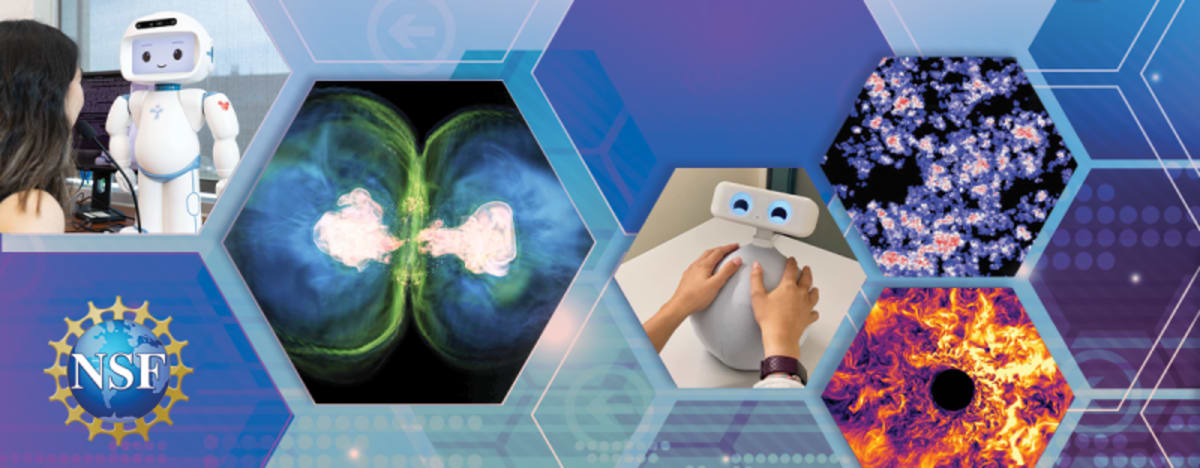
At Michigan State University, the TEMPEST center is taking on turbulence, one of physics' thorniest unsolved mysteries. When fluids and plasmas move in chaotic, swirling patterns, scientists still can't reliably predict what happens next, even though understanding turbulence is critical for developing fusion energy and advancing national security technologies. TEMPEST will combine cutting-edge experiments, mathematical modeling, supercomputers, and artificial intelligence to finally crack the code on how these complex systems behave.
Northwestern University's GENIE center is diving into the 3D architecture of DNA inside our cells. The physical way DNA folds and organizes determines how each cell functions, and when that organization goes wrong, it can contribute to Alzheimer's, heart disease, and cancer. Researchers will develop new technologies to engineer DNA's 3D structure, potentially learning how to help damaged cells restore lost functions and return to healthier states.
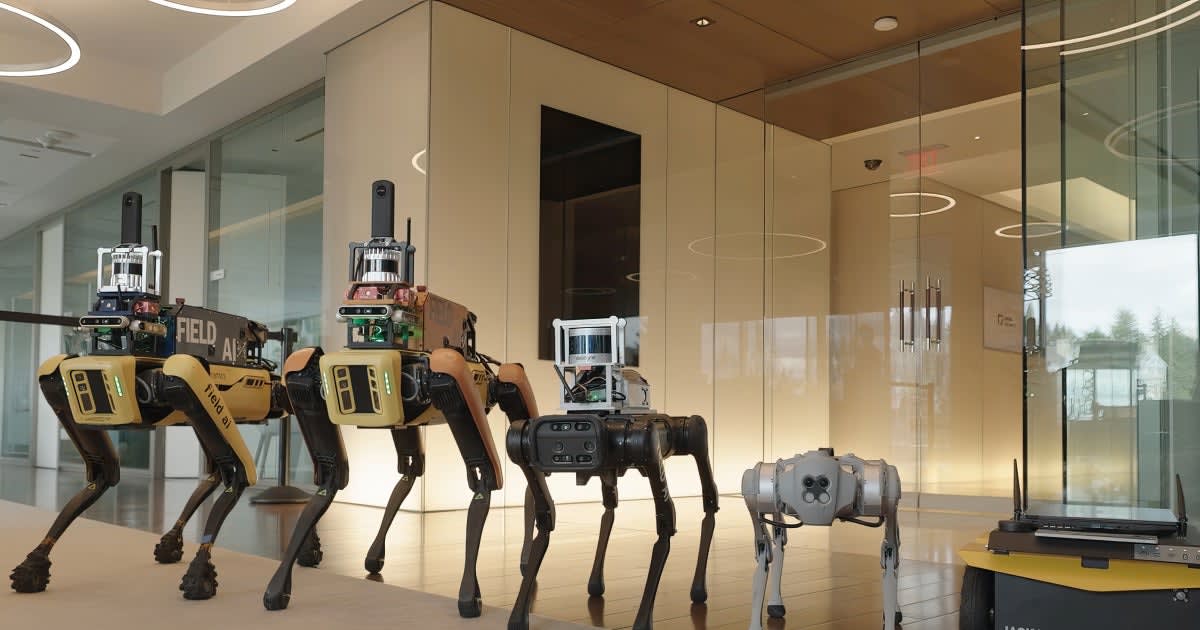
The third center at the University of Texas at Austin focuses on something many of us will experience soon: sharing our homes and workplaces with robots. As service robots become more common in hospitals, homes, and public spaces, the center will study how people and machines can securely adapt to each other. The goal is creating robots with embodied intelligence that learn from people, understand individual needs, and adjust physically and cognitively to help with independent living and healthcare.
The program has proven itself since launching in 1987. Previous Science and Technology Centers have opened entirely new fields of discovery, sparked numerous startup companies, and trained generations of innovators who went on to lead American science and technology.
The Ripple Effect
These centers don't just advance science in labs. They're training grounds where students and early-career researchers get hands-on experience in emerging fields, building the skilled workforce America needs for future innovation. By partnering with industry from day one, the centers are designed to move promising discoveries out of the lab and into technologies that benefit people's daily lives, whether that's cleaner energy, better medical treatments, or robots that genuinely help rather than just occupy space.
The investments arrive as America works to maintain its leadership in critical technologies like AI, biotechnology, and advanced energy systems.
Three bold bets on science today could mean breakthrough solutions for millions tomorrow.
Based on reporting by Google: scientific discovery
This story was written by BrightWire based on verified news reports.
Spread the positivity!
Share this good news with someone who needs it