US Moves to Protect Jamaica's Rarest Butterfly
A stunning blue and black butterfly once thought lost is getting a lifeline from the US government. The proposal could save the Jamaican kite swallowtail from extinction and stop its trade for home decor.
Fewer than 250 Jamaican kite swallowtail butterflies remain in the wild, but a new US proposal could save them from disappearing forever.
The US Fish and Wildlife Service just proposed listing this rare butterfly under the Endangered Species Act. The striking creature, with its bright turquoise and black wings tipped with red, lives only in Jamaica's limestone forests and nowhere else on Earth.
The numbers tell a devastating story. In the 1960s, scientists counted around 750,000 of these butterflies fluttering through Jamaican forests. Today, researchers sometimes see none at all during entire field seasons.
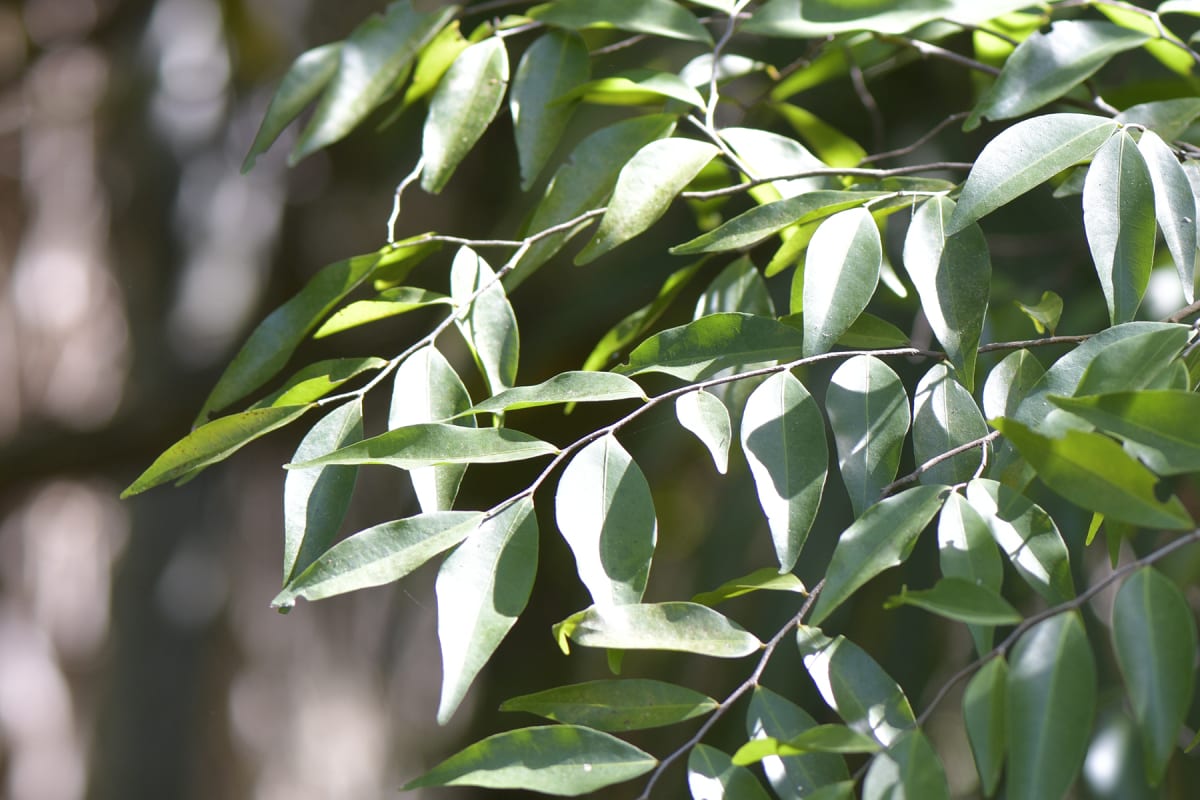
What's pushing this beautiful insect to the brink? Deforestation has wiped out 70% of its breeding sites since the 1960s. The butterfly's caterpillars eat only one thing: leaves from black lancewood trees, which loggers cut down by the thousands to make furniture and charcoal.
Hurricane Melissa recently damaged one of only four remaining breeding sites. An unexpected threat also looms: online shoppers buy framed specimens for home decor, paying up to $178 per butterfly.
"This listing would be a real turning point for this species," said Dianne DuBois, senior scientist at the Center for Biological Diversity. Her organization fought for these protections since 1994, finally suing the agency in 2021 to prompt action.
The Ripple Effect
ESA protections prevent extinction in 99% of listed species. If finalized, the listing would immediately stop US sales of these butterflies in the massive global butterfly trade, which includes over 3,700 species.
The protection could also unlock funding to restore Jamaica's limestone forests and the black lancewood trees these butterflies need to survive. Vaughan Turland at Jamaica's Windsor Research Centre, who has studied the species for decades, said any formal recognition raises awareness and drives urgent conservation action.
Public comments on the proposal are open until June 16. After three decades of waiting, conservationists hope protections will be finalized quickly so the ESA can work its magic before time runs out for one of Jamaica's most iconic creatures.
More Images



Based on reporting by Mongabay
This story was written by BrightWire based on verified news reports.
Spread the positivity!
Share this good news with someone who needs it