US Moves to Save Jamaica's Rare Butterfly From Extinction
A stunning turquoise and black butterfly that once numbered 750,000 has dropped to fewer than 250 in the wild, but new federal protections could stop its slide toward disappearing forever. The U.S. just proposed endangered species status for Jamaica's most iconic butterfly, opening the door to habitat funding and trade bans.
After a 30-year fight, Jamaica's rarest butterfly is finally getting a lifeline from the United States government.
The U.S. Fish and Wildlife Service recently proposed listing the Jamaican kite swallowtail as endangered, a move that could pull this brilliant turquoise and black butterfly back from the edge of extinction. Scientists have counted as few as 50 adults in recent years, down from 750,000 in the 1960s.
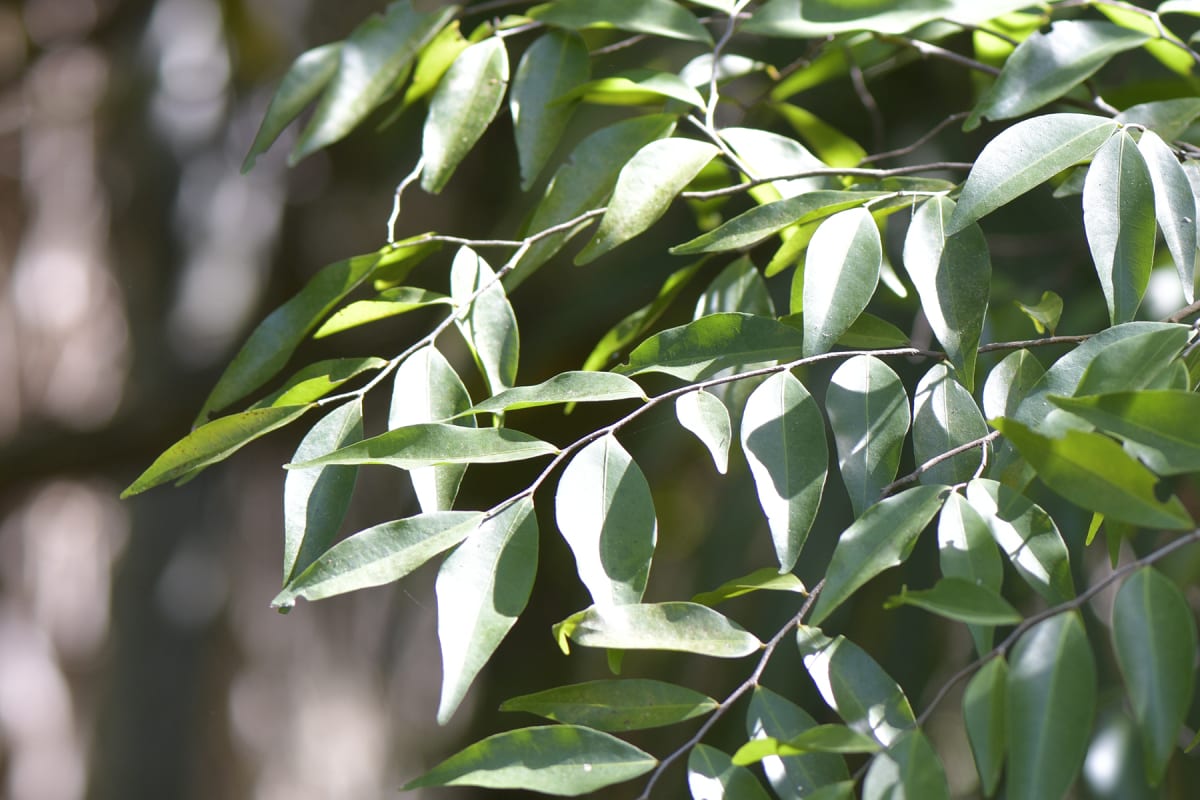
The small, fast-flying butterfly lives only in Jamaica's limestone forests, where its caterpillars feed exclusively on black lancewood trees. But those trees are being cut down by the thousands to make furniture, fish pots, and charcoal, shrinking the butterfly's breeding grounds by 70 percent.
Only four breeding sites remain on the entire island. Hurricane Melissa, which slammed into Jamaica last October, damaged one of them, showing how vulnerable these last populations have become.
The butterfly's striking appearance has made it a target for collectors who frame rare insects for wall décor. While catching them is illegal in Jamaica, they sell online for up to $178 each, a tempting price in a country where the average worker earns $34 a day.
The Ripple Effect
If finalized, the endangered species listing would immediately stop all trade of the butterfly in the United States, cutting off a major market for collectors. The protections work: 99 percent of species listed under the Endangered Species Act avoid extinction.
The listing could also unlock funding to protect the butterfly's remaining habitat and raise global awareness about its plight. Dianne DuBois, a senior scientist at the Center for Biological Diversity, has been fighting for these protections since 1994.
"This listing would be a real turning point for this species," DuBois said. She urged the agency to move quickly, noting that the average wait time for finalizing protections is 12 years.
Vaughan Turland, who has studied the species for decades at Jamaica's Windsor Research Centre, welcomed the proposal. Any formal recognition of the butterfly's dire situation is important because it raises awareness and pushes for urgent conservation action, he explained.
The proposal is open for public comment until June 16, giving scientists, conservationists, and butterfly lovers a chance to support protections for one of Jamaica's most beautiful creatures.
After decades of decline, this tiny butterfly might finally get the help it needs to flutter through Jamaica's forests for generations to come.
More Images



Based on reporting by Google: species saved endangered
This story was written by BrightWire based on verified news reports.
Spread the positivity!
Share this good news with someone who needs it