
US Nuclear Reactor Hits Critical Milestone in Under a Year
A California company just achieved what critics said was impossible: bringing an advanced nuclear reactor to criticality in less than 12 months. The breakthrough marks America's first privately developed non-light-water reactor to reach this milestone in over 40 years.
American nuclear innovation just proved the doubters wrong in spectacular fashion.
Antares Nuclear announced Thursday that its Mark-0 microreactor achieved criticality at Idaho National Laboratory, becoming the first advanced reactor to hit this crucial milestone under a new federal pilot program. The Torrance, California company went from concept to a self-sustaining nuclear chain reaction in under a year.
"Nuclear in America has been defined for too long by delays, by companies that said they would and then didn't," said Antares CEO Jordan Bramble. "We said criticality in 2026, electricity production in 2027, and power to the warfighter in 2028. Today is the first of those commitments delivered."
The achievement represents the first privately developed non-light-water reactor to reach criticality in the United States in more than four decades. Criticality occurs when a reactor achieves a self-sustaining nuclear chain reaction, a major validation point that proves the core physics work as designed.
The breakthrough came through the Department of Energy's Reactor Pilot Program, established after President Trump's 2025 executive orders aimed at accelerating nuclear development. The administration set an ambitious goal: achieve criticality for advanced reactor concepts by July 4, 2026.
Antares beat that deadline by months.
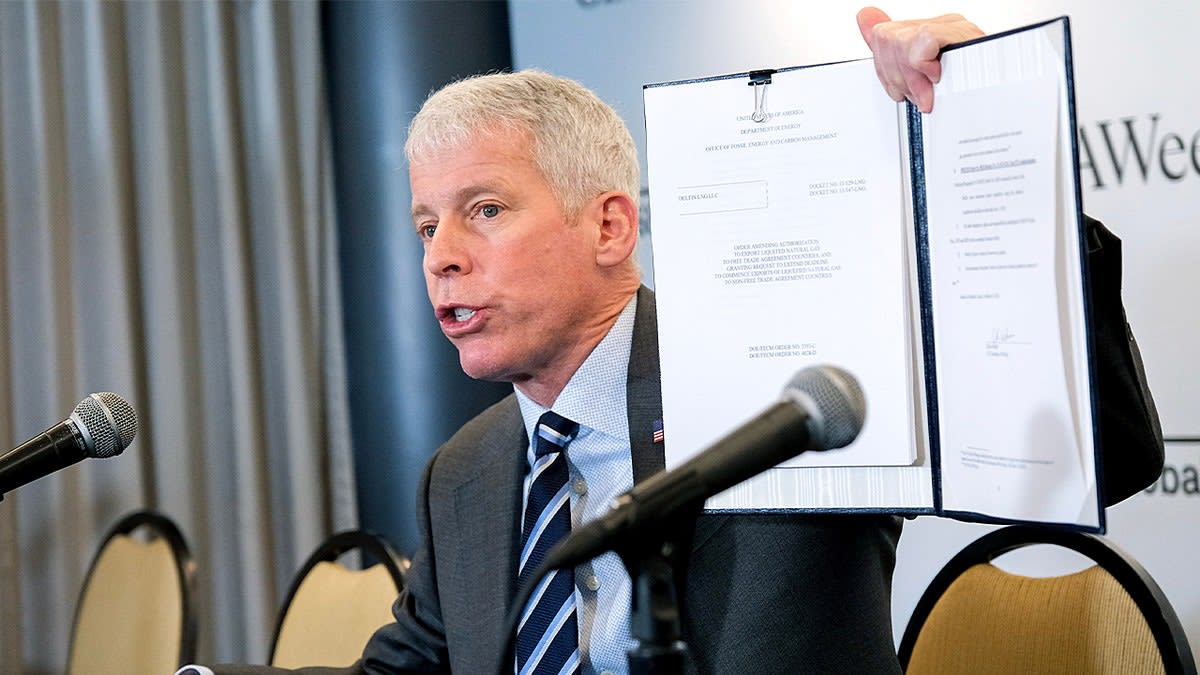
Energy Secretary Chris Wright called it "a historic moment for American nuclear energy" that shows "what is possible when American innovation is unleashed." Assistant Secretary of Nuclear Energy Ted Garrish noted that skeptics didn't believe the timeline was possible.
The demonstration validated critical reactor physics parameters and produced valuable testing data for future development. Antares conducted the work in partnership with Idaho National Laboratory, BWX Technologies, and the U.S. Army as a future end user.
The Ripple Effect
This success signals a dramatic shift in how America develops nuclear technology. For decades, nuclear projects have been synonymous with cost overruns and missed deadlines, sometimes taking a decade or more per design iteration.
The Mark-0 demonstration proves that efficient, rapid testing is possible when industry and government align on ambitious timelines. The reactor used advanced TRISO fuel and benefited from technology developed through Project Pele, a Defense Department effort to build transportable microreactors for military use.
The data gathered will support not just Antares' future work but the broader nuclear industry's understanding of advanced reactor designs. Engineers gained critical insights into reactor physics, control systems, and supply chain performance that can accelerate other projects.
The company plans to begin producing electricity from the same facility in 2027 and deploy power-generating microreactors to U.S. military installations by 2028. These small reactors could provide reliable, clean energy to remote bases without vulnerable fuel supply lines.
Bramble emphasized that treating the schedule as non-negotiable made the difference. "For the American nuclear renaissance to succeed, we need efficient, iterative reactor testing, not a decade per design."
America just took a major step toward clean, reliable energy that seemed impossible just months ago.
More Images

Based on reporting by Fox News Tech
This story was written by BrightWire based on verified news reports.
Spread the positivity!
Share this good news with someone who needs it