US Rallies to Build Domestic Critical Minerals Supply Chain
A bald mountain in West Texas holds America's largest rare earth deposit, sparking a nationwide push to rebuild the domestic critical minerals industry. Experts from government, industry, and research labs are joining forces to end dependence on foreign sources for the materials that power our phones, cars, and clean energy systems.
📺 Watch the full story above
That unremarkable brown mound rising from the West Texas desert could help secure America's technological future.
Round Top Mountain, sitting 85 miles east of El Paso, contains the country's largest known deposit of rare earth elements. These minerals power nearly everything modern life depends on: smartphones, electric vehicles, medical imaging equipment, wind turbines, and defense systems.
More than an eighth of the U.S. economy relies on companies that need critical minerals to function. Yet over 80% of these essential materials currently come from foreign sources, leaving American industries vulnerable to supply disruptions and price swings.
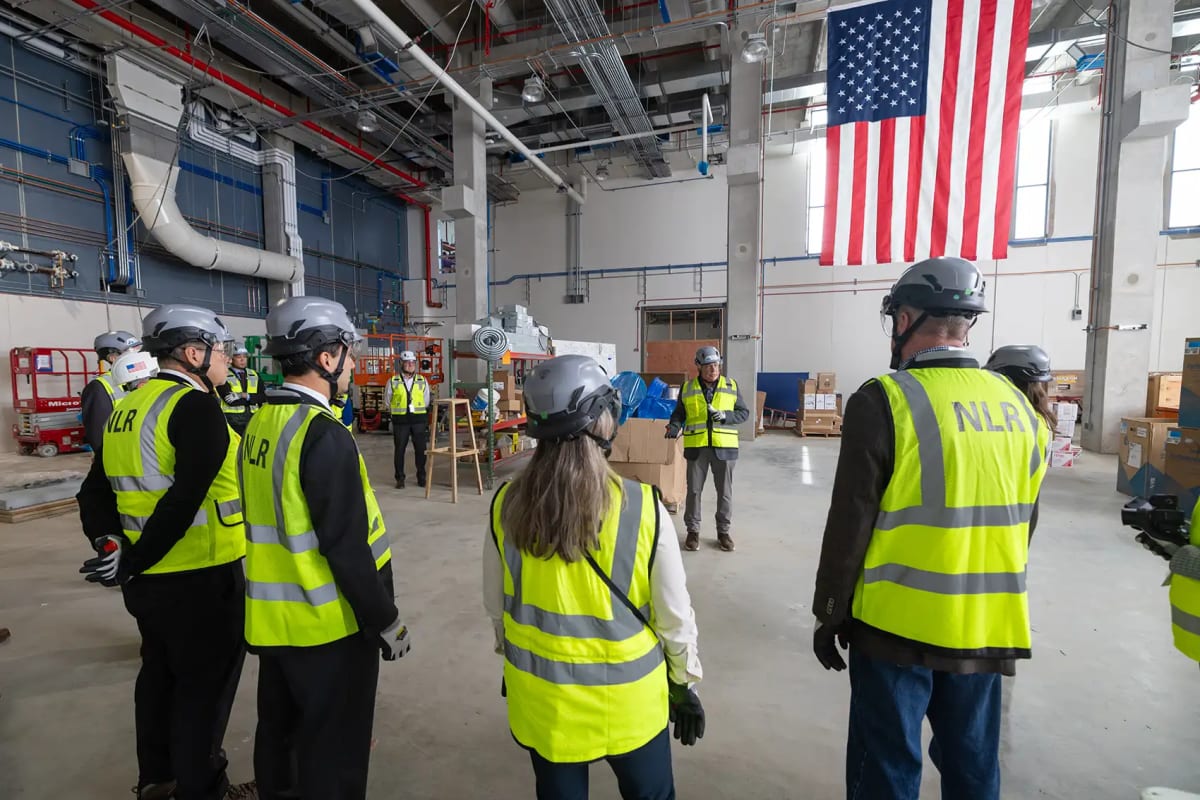
That's changing. In May 2026, hundreds of experts gathered at the National Laboratory of the Rockies in Golden, Colorado, for a groundbreaking summit on rebuilding America's critical minerals supply chain from scratch.
"The time is right now. The need is absolutely urgent," said Greg Bowman, chief policy officer at USA Rare Earth Inc., which recently purchased an 80% stake in Round Top Mountain. His company joined researchers, miners, manufacturers, and government officials to tackle one big question: How fast can America regain self-sufficiency?
The country wasn't always dependent on imports. From the mid-1960s to the 1980s, the United States led global production of rare earths. But regulatory changes in the 1990s increased costs, and the U.S. Bureau of Mines shut down, allowing other countries to race ahead.
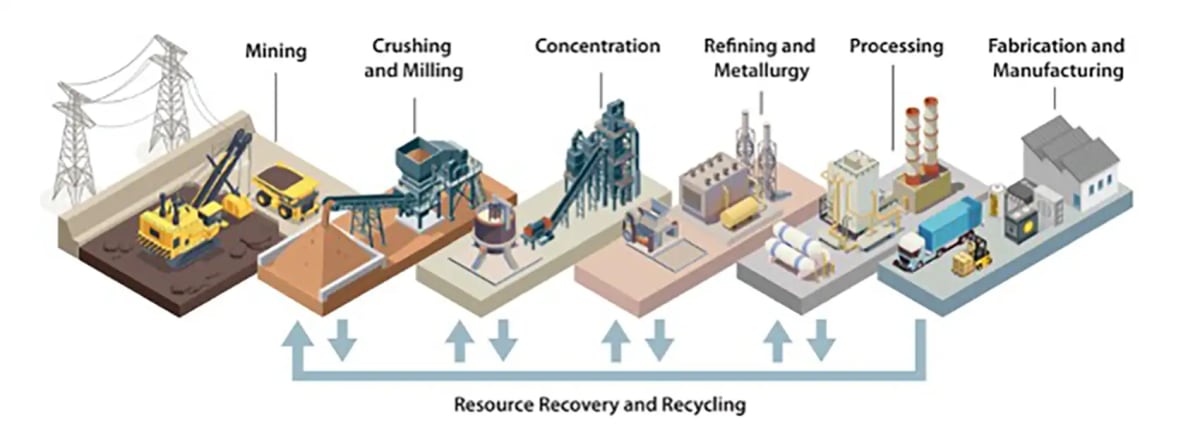
Now the Department of Energy's Office of Critical Minerals and Energy Innovation is coordinating an ambitious comeback. The effort requires cooperation across the entire supply chain: geoscientists finding deposits, miners extracting ore, engineers refining raw rock into pure metals, manufacturers creating products, and recyclers recovering materials from old electronics.
The Ripple Effect
Building a domestic critical minerals industry means more than securing smartphone components. It protects American jobs, strengthens national security, and powers the clean energy transition with reliable, locally sourced materials.
The collaboration spans national laboratories, universities, startups, and established companies working together on solutions. They're developing better extraction methods, reducing water and energy use, and finding ways to recover valuable minerals from waste streams.
Jud Virden, director of the National Laboratory of the Rockies, emphasized the collaborative spirit: "The only way we can do it fast is to do it together."
That humble Texas mountain represents something bigger than rare earth elements. It's proof that when experts unite around a common goal, America can rebuild industries once thought lost and secure a more self-reliant future for generations to come.
More Images


Based on reporting by CleanTechnica
This story was written by BrightWire based on verified news reports.
Spread the positivity!
Share this good news with someone who needs it