US Renewables to Surpass Natural Gas by Early 2027
America's renewable energy capacity is set to overtake natural gas within a year, marking a historic turning point in the clean energy transition. Solar and wind installations are growing twice as fast as last year, despite political headwinds.
For the first time in modern history, renewable energy will have more installed electrical capacity than natural gas in the United States by early 2027.
The shift comes faster than expected. According to new US Energy Information Administration data, renewable sources will reach about 533,000 megawatts of capacity by April 2027, edging past natural gas at 515,000 megawatts.
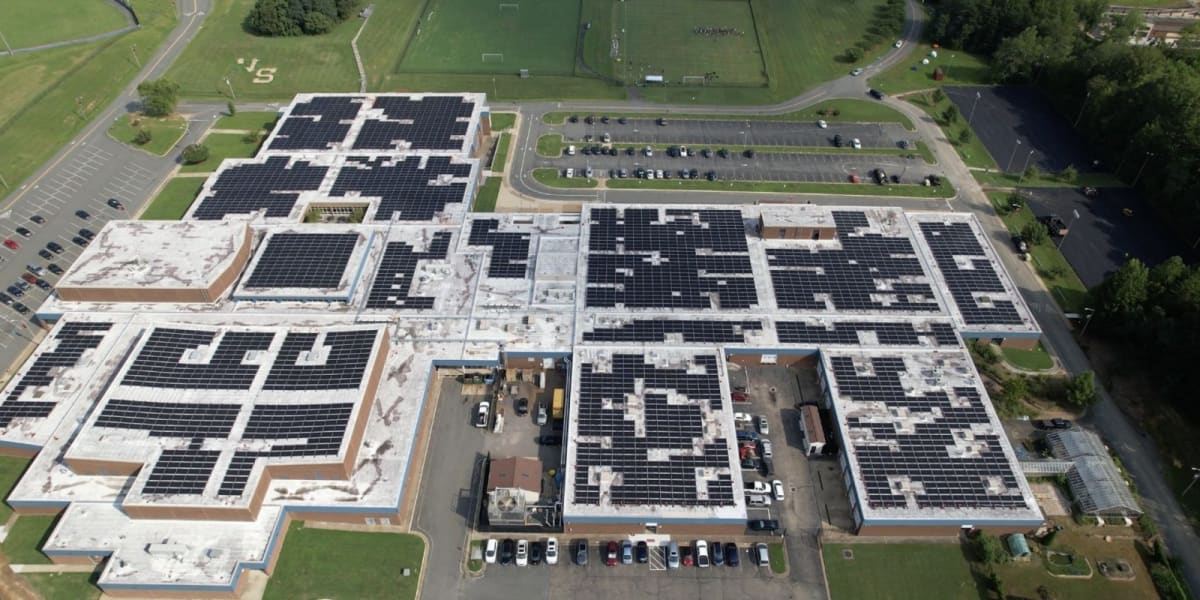
Solar power is leading the charge. Utility-scale solar installations will add nearly 43,000 megawatts this year, jumping from 12.8% to 15.7% of total US capacity. Wind energy will contribute another 14,000 megawatts, including 4,155 megawatts of offshore wind farms spinning to life along American coastlines.
The growth is accelerating, not slowing. Renewable capacity additions in the past year nearly doubled compared to the previous 12 months, an 85% increase that surprised even optimistic forecasters.
Battery storage is booming alongside generation. Over 23,000 megawatts of new battery capacity will come online by spring 2027, a 50% increase that helps solve renewable energy's biggest challenge: storing sunshine and wind for cloudy, calm days.
The numbers tell a compelling economic story. While renewables added 57,000 megawatts in the past year, fossil fuel capacity actually declined by 4,266 megawatts. No new nuclear plants came online either, highlighting where investors are placing their bets.
Coal is fading fastest. Electrical output from coal plants dropped 11.4% in the first quarter of 2026, while renewable generation jumped 11.1%. Wind and solar combined now produce 14% more electricity than nuclear power and 31% more than coal.
The Ripple Effect
This transition isn't just changing how America generates power. It's creating hundreds of thousands of manufacturing and installation jobs across red and blue states alike. Communities from Texas to Iowa to North Carolina are becoming clean energy hubs, with wind turbines and solar farms bringing stable income to farmers and tax revenue to rural counties.
The shift also makes the electrical grid more resilient. Distributed solar and wind installations mean power generation happens closer to where people live, reducing vulnerability to major disruptions.
Even the Trump Administration's resistance hasn't slowed momentum. "By a wide margin, renewables and battery storage will continue to dominate new growth," noted Ken Bossong of the SUN DAY Campaign, which analyzed the federal data.
By late 2027, solar alone will account for nearly 20% of America's total electrical capacity. Combined with wind, hydropower, and other renewable sources, clean energy will power more than a third of the nation's grid, a milestone that seemed decades away just ten years ago.
The clean energy transition is no longer coming; it's here, powering American homes and businesses with increasingly affordable, homegrown electricity.
More Images



Based on reporting by Electrek
This story was written by BrightWire based on verified news reports.
Spread the positivity!
Share this good news with someone who needs it