US-Russian Crew Returns After 241 Days in Space
Three astronauts just touched down in Kazakhstan after spending eight months aboard the International Space Station, proving that global cooperation thrives even 250 miles above Earth. Their mission advanced cancer research and prepped humanity for future trips to the Moon and Mars.
A US-Russian space crew safely returned to Earth on Sunday after an extraordinary eight-month mission that shows international teamwork reaching new heights.
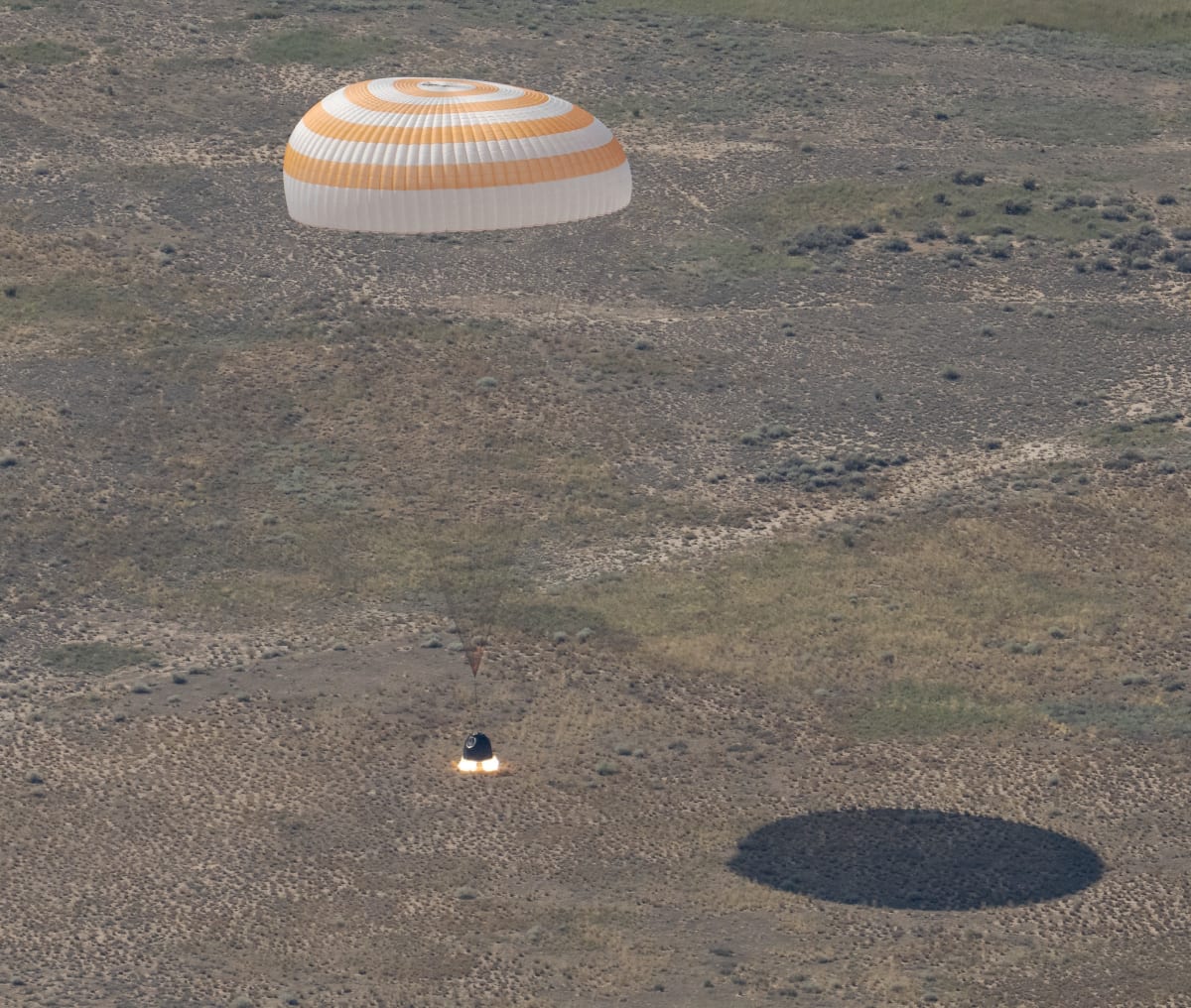
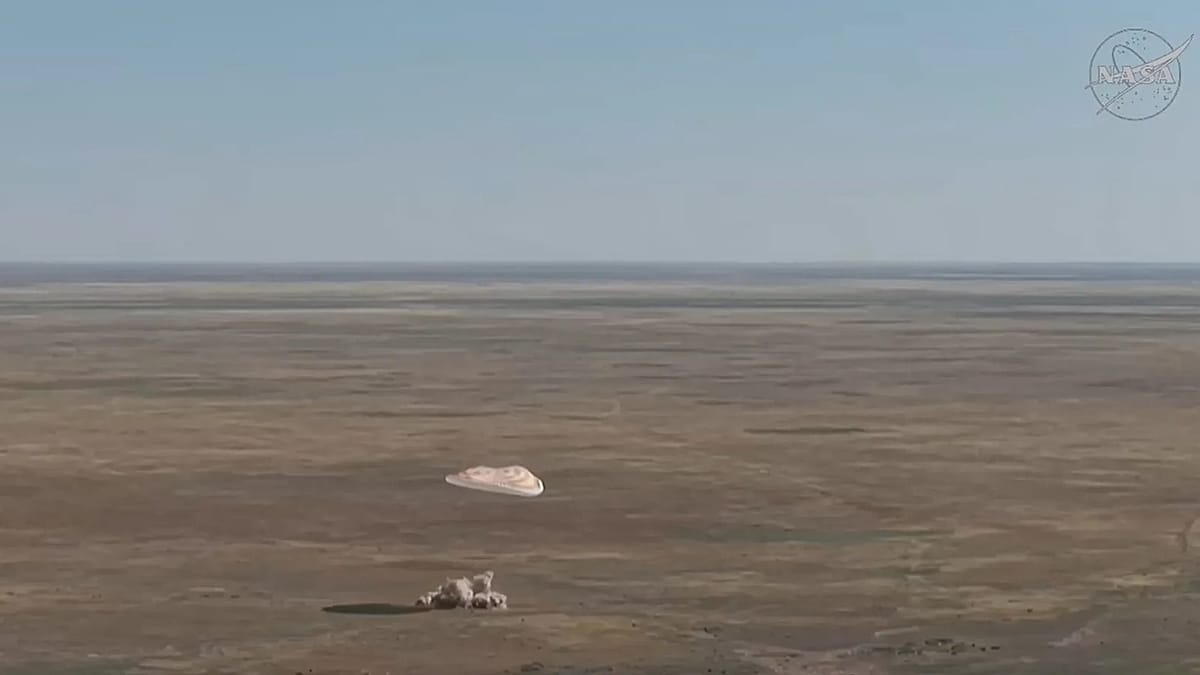
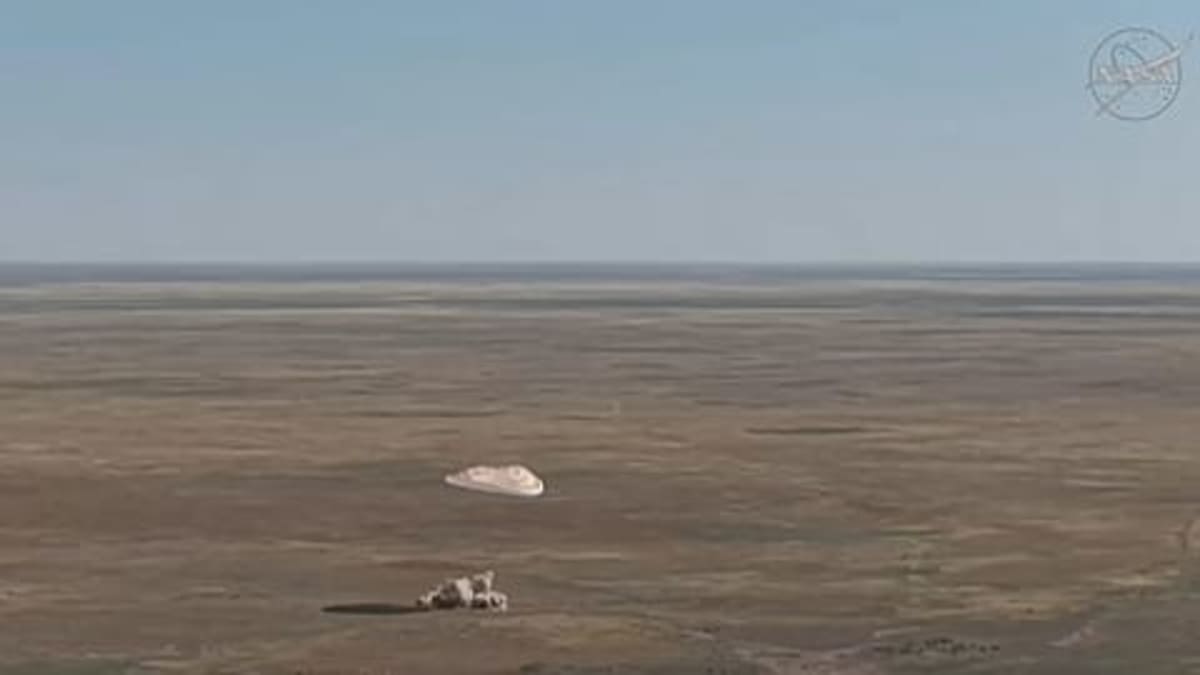
NASA astronaut Chris Williams and Russian cosmonauts Sergey Kud-Sverchkov and Sergei Mikaev landed in their Soyuz spacecraft in Kazakhstan at 3:27 pm local time. The trio spent 241 days orbiting Earth 3,856 times and traveling more than 102 million miles.
Their mission wasn't just about floating in space. Williams focused on groundbreaking research that could lead to new cancer treatments and better manufacturing techniques for high-performance computer materials in space.
He also completed two spacewalks to upgrade the space station's power systems and fix a faulty joint on the Canadarm2 robotic arm. Meanwhile, his Russian crewmates installed equipment for a scientific experiment studying the sun's terahertz radiation.
The crew received two Russian Progress spacecraft delivering crucial supplies including water, fuel, and atmospheric gases. These deliveries kept the ISS running smoothly and supported ongoing experiments.
After landing, the astronauts underwent medical checks before heading to Karaganda in central Kazakhstan to meet recovery teams. Williams will fly back to Houston's Johnson Space Center, while his Russian colleagues return to the Star City training center near Moscow.
Why This Inspires
Space exploration proves that even when tensions exist on Earth, humans can still work together toward something bigger. American and Russian astronauts shared meals, conducted experiments, and kept each other safe while orbiting our planet every 90 minutes.
Their research directly benefits people back home. The cancer treatment advances Williams helped develop could save lives in hospitals worldwide, while improved manufacturing techniques might make technology more accessible and affordable.
A replacement crew already arrived earlier this month and began Expedition 75, which will explore artificial intelligence methods for crew health checks and even bioprint human tissue. The baton of scientific discovery continues without pause.
The successful mission reminds us that cooperation beats competition every time, especially when reaching for the stars.
More Images
Based on reporting by Euronews
This story was written by BrightWire based on verified news reports.
Spread the positivity!
Share this good news with someone who needs it