US Sets New Rules to Prevent Solar Power Grid Failures
After unexpected solar outages threatened Texas's power grid, regulators just approved three new standards that will make renewable energy more reliable during emergencies. The changes could prevent blackouts affecting millions of Americans.
America's power grid just got a major upgrade that will help keep the lights on when renewable energy faces unexpected challenges.
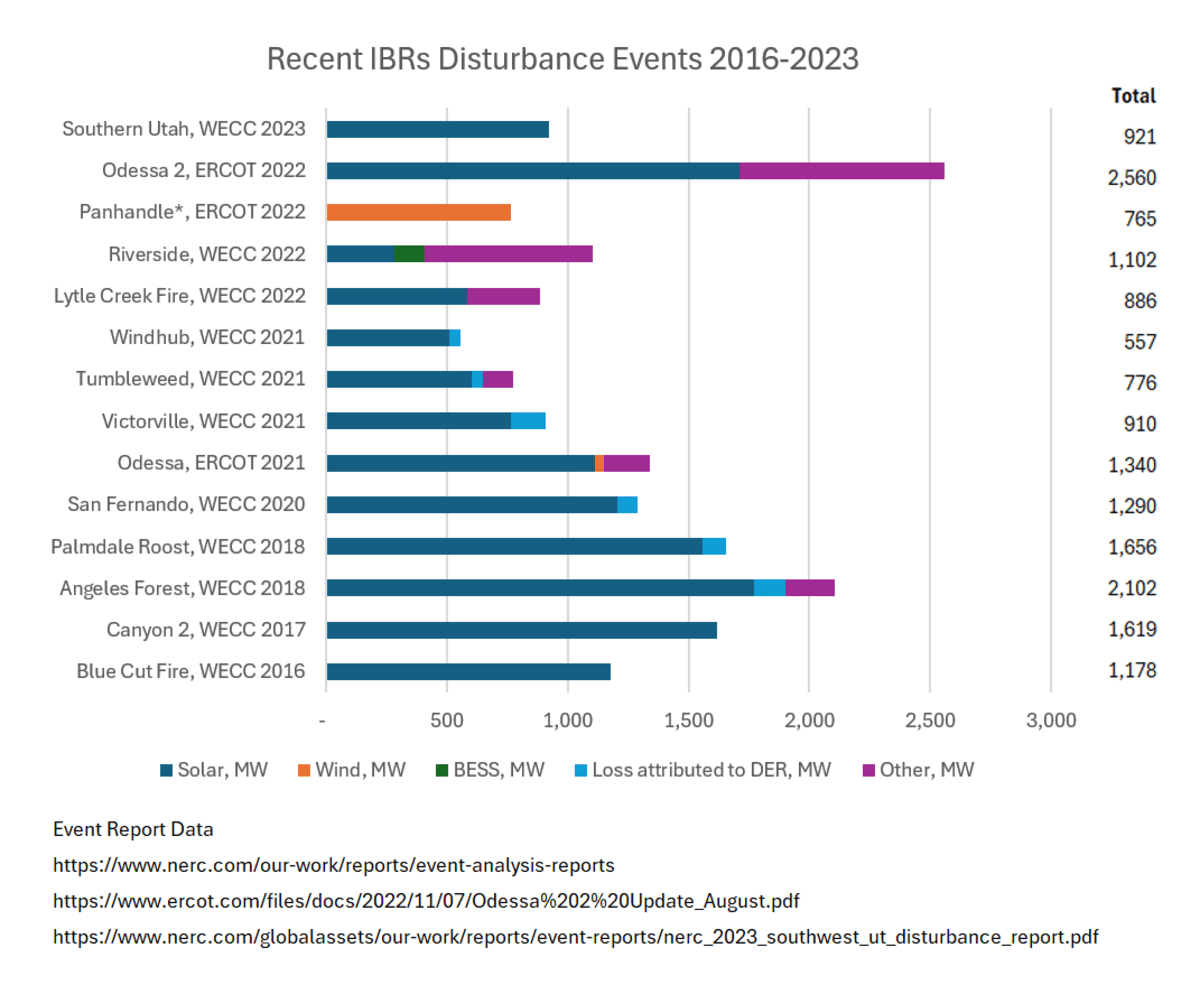
After investigating several incidents where solar and wind farms unexpectedly shut down during routine grid disturbances, the North American Reliability Corp. approved three new standards to strengthen the nation's electricity system. The most notable event happened in 2022 in Odessa, Texas, when a simple fault caused 2,555 megawatts of solar power to suddenly drop offline, nearly triggering a massive blackout.
The problem wasn't with the solar panels themselves. Instead, the inverters that convert solar power into usable electricity were programmed to shut down too quickly during minor grid hiccups, creating a dangerous domino effect.
The new rules require solar, wind, and battery storage facilities to "ride through" temporary voltage and frequency changes instead of immediately disconnecting. Think of it like training renewable energy systems to stay calm during turbulence rather than hitting the emergency brake.
The first standard mandates high-tech monitoring systems that record exactly what happens during grid disturbances, giving engineers the data they need to prevent future problems. The second requires renewable facilities to meet tougher performance standards based on rigorous testing protocols. The third creates a structured process for identifying and fixing issues before they cause widespread outages.
These changes apply to renewable energy facilities larger than 20 megawatts connected to the main power grid. Operators have until October 2026 to comply with the stricter requirements, with some facilities getting until January 2027.
The Ripple Effect
The timing couldn't be better. As America rapidly adds solar and wind power to meet clean energy goals, ensuring these resources work reliably during emergencies protects everyone who depends on electricity for heating, cooling, medical equipment, and daily life.
The new standards also demonstrate how regulators are adapting faster than ever to the changing energy landscape. Instead of waiting years after problems emerge, officials moved quickly to implement solutions that make renewable energy more dependable.
Energy companies are already partnering with engineering firms to update their systems and test their equipment against the new requirements. The upgrades will help solar and wind farms behave more like traditional power plants during grid disturbances, providing the stability needed as renewable energy becomes a larger part of America's electricity mix.
These behind-the-scenes improvements mean fewer unexpected outages and more confidence that clean energy can reliably power homes and businesses through any challenge.
More Images

Based on reporting by PV Magazine
This story was written by BrightWire based on verified news reports.
Spread the positivity!
Share this good news with someone who needs it