U.S. Solar and Battery Boom: 86 GW Coming in 2026
America is installing enough new solar panels and batteries in 2026 to power millions of homes, marking the biggest single-year energy expansion in over two decades. Clean energy now accounts for 93% of all new power projects breaking ground this year.
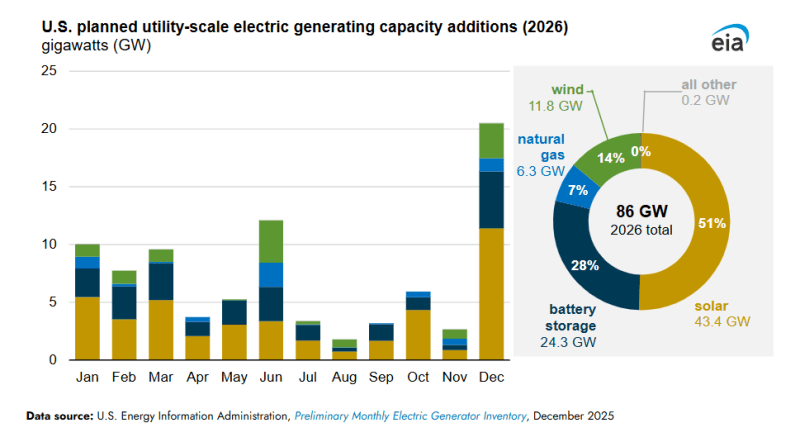
The United States is about to witness its largest clean energy transformation in modern history. This year, 86 gigawatts of new power capacity will connect to the grid, nearly doubling last year's record and marking the biggest expansion since the early 2000s.
Solar panels and batteries are driving this historic surge. Together, they represent 79% of all new power projects coming online, with solar alone growing 60% compared to 2025.
Developers plan to install 43.4 gigawatts of utility-scale solar in 2026, enough to power roughly 8 million homes. This marks the third consecutive year of record-breaking solar installations, a streak that shows no signs of slowing.
Texas leads the solar revolution, hosting 40% of the nation's new solar construction. Projects like the 837-megawatt Tehuacana Creek Solar facility are transforming rural landscapes into clean energy powerhouses, creating jobs and lowering electricity costs for millions.
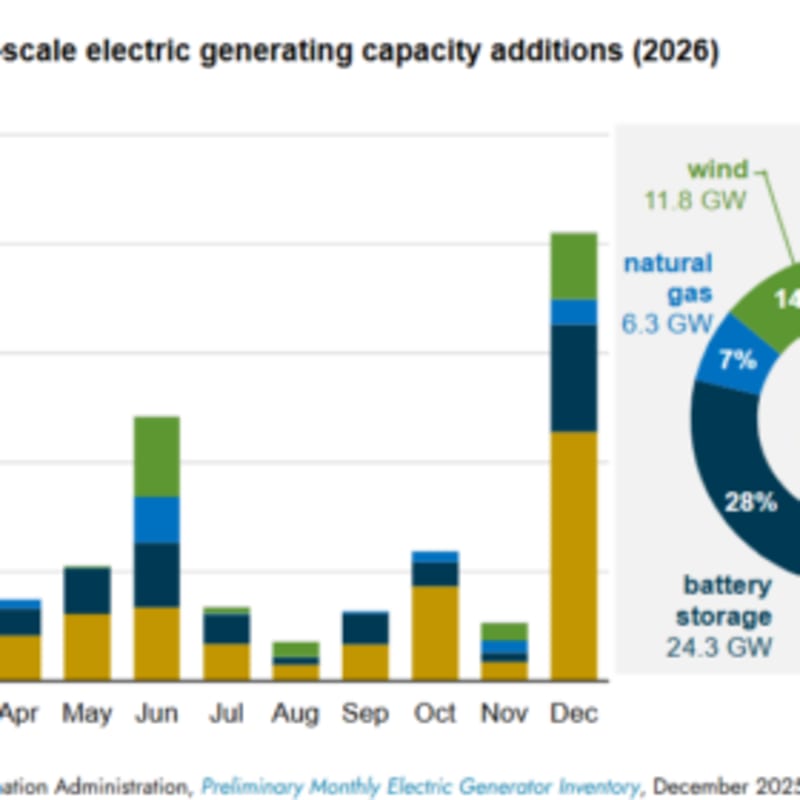
Battery storage has emerged as the secret weapon of America's clean grid. The country will add 24.3 gigawatts of new batteries this year, up from 15 gigawatts in 2025, allowing homes and businesses to store sunshine for cloudy days and peak evening hours.
Nearly half of these batteries sit alongside solar farms, capturing midday sun and releasing it when families get home from work. Major projects like Texas's 621-megawatt Lunis Creek battery system prove storage technology has moved from experiment to essential infrastructure.
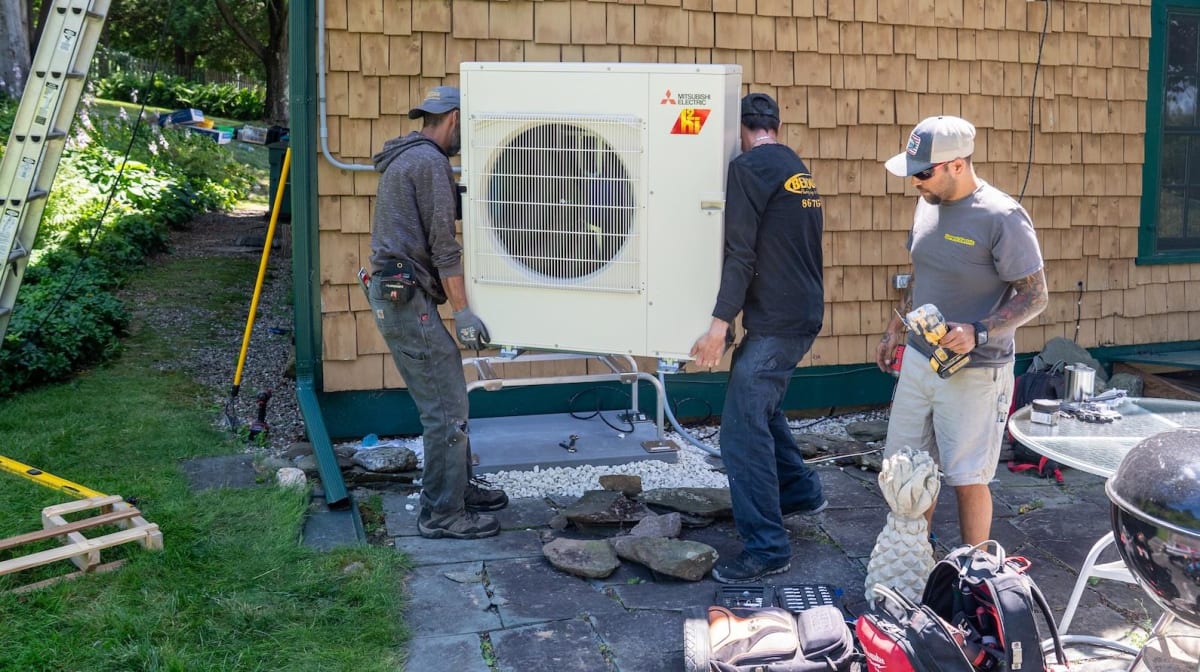
The residential solar story is equally exciting. One in eight American homes will have rooftop solar by 2030, with most adding batteries to maximize their independence from rising utility rates.
California homeowners are leading this trend, with 69% now pairing batteries with their solar panels. This shift helps families weather blackouts, save money on electricity bills, and contribute to a more stable grid during extreme weather.
The Ripple Effect
This clean energy boom ripples far beyond electricity bills. Natural gas projects now represent just 6.3 gigawatts of new capacity, less than 7% of the total, as developers recognize solar and batteries deliver cheaper, cleaner power.
By year's end, solar generation will jump from 290 terawatt-hours to over 420 terawatt-hours. That's enough clean electricity to replace dozens of coal plants and prevent millions of tons of carbon pollution.
Winter reliability is improving too. In New York, distributed batteries are projected to deliver 56% of their cost savings during cold months when traditional power plants struggle most, keeping lights on and bills down when it matters.
The infrastructure buildout creates thousands of construction jobs in rural communities while lowering long-term energy costs. Texas counties hosting solar farms receive tax revenue for schools and roads, while landowners earn steady lease income for decades.
The speed of this transformation proves clean energy isn't a distant dream but today's practical reality, powered by American workers building a more resilient grid for everyone.
More Images

Based on reporting by Google News - Solar Power Record
This story was written by BrightWire based on verified news reports.
Spread the positivity!
Share this good news with someone who needs it