US Speeds Research Into Psychedelics for Mental Health
A new executive order cuts red tape for scientists studying psychedelic compounds like MDMA and psilocybin as treatments for depression, PTSD, and addiction. The breakthrough also includes $50 million for research into ibogaine, a powerful substance showing promise for opioid addiction.
After decades of strict prohibition, the federal government is opening the door to psychedelic drugs as potential lifesavers for millions struggling with mental health conditions.
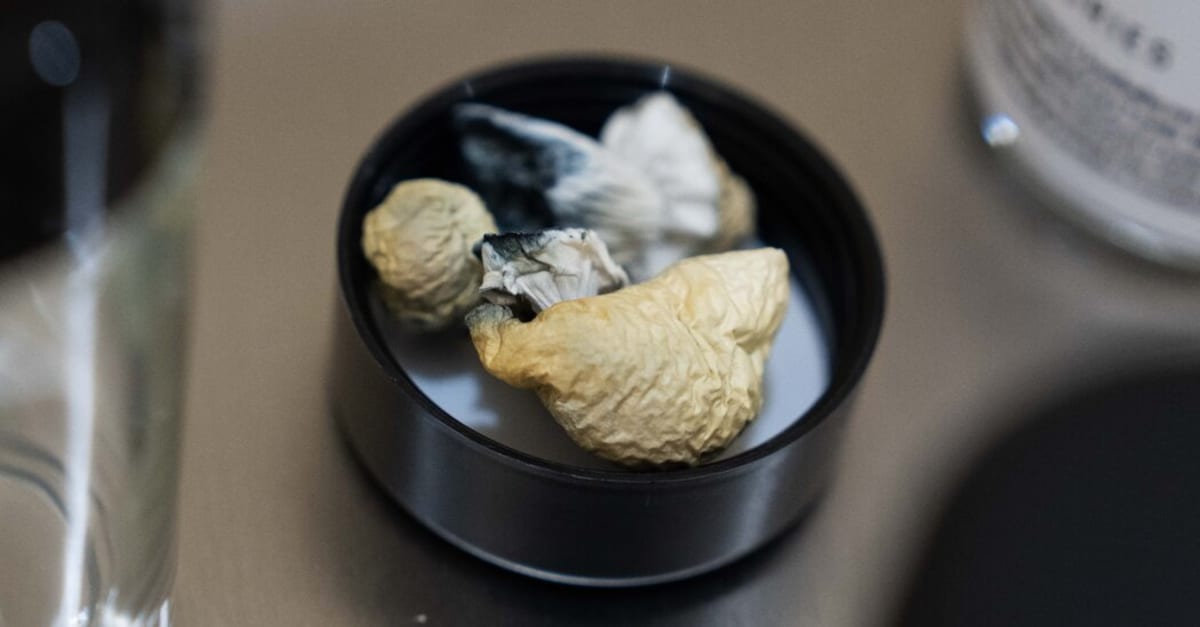
President Trump signed an executive order Saturday directing federal agencies to ease the restrictions that have long blocked scientists from studying LSD, MDMA (Ecstasy), psilocybin (magic mushrooms), and other psychedelic compounds. The move represents a dramatic shift from the war on drugs era that began in the 1970s.
The order also provides $50 million for research into ibogaine, a powerful psychedelic made from a Central African shrub. Early studies suggest that up to two-thirds of people addicted to opioids or crack cocaine were effectively cured after just one ibogaine session.
Most psychedelic compounds are currently classified as Schedule 1 drugs, meaning the government considers them to have no medical value and high abuse potential. That classification makes clinical trials extremely difficult, even though growing research suggests these substances can effectively treat severe depression, anxiety, PTSD, and substance abuse disorders.
The executive order directs the FDA, DEA, Department of Justice, and other agencies to reduce bureaucratic barriers. It also allows seriously ill patients to access investigational drugs that have completed early clinical trials but haven't received full FDA approval yet.
The change could most immediately benefit MDMA therapy for PTSD, which is currently undergoing additional Phase III trials. Veterans groups have been particularly vocal advocates for psychedelic research, given the epidemic of veteran suicides and treatment-resistant PTSD.
Dr. Marty Makary, the FDA commissioner, said the agency plans to accelerate approval processes from years to weeks for promising compounds. "We need to have the same urgency in evaluating potentially promising treatments as we do with HIV, cancer and other debilitating conditions," he explained.
Why This Inspires
This policy shift recognizes something millions of Americans already know: our current mental health treatments aren't working for everyone. People with severe depression often cycle through multiple medications that barely help or stop working entirely. Veterans return from service only to battle invisible wounds with limited options.
Psychedelic research offers genuine hope where traditional treatments have failed. Scientists are discovering that these compounds can help the brain form new neural pathways, potentially "resetting" patterns that keep people trapped in addiction, depression, or trauma.
The federal government isn't legalizing recreational use or abandoning safety standards. Instead, it's finally allowing rigorous scientific research to proceed at the pace that desperate families need. For someone who has tried everything else, that acceleration from years to weeks could mean the difference between life and death.
The next phase depends on strong clinical data and thoughtful integration into healthcare systems. Researchers and advocates understand the work ahead, but after decades of prohibition blocking even the most basic studies, this represents genuine progress toward helping people who have run out of options.
Based on reporting by Google News - New Treatment
This story was written by BrightWire based on verified news reports.
Spread the positivity!
Share this good news with someone who needs it

%3Amax_bytes(150000)%3Astrip_icc()%3Afocal(999x0%3A1001x2)%2Fmichael-j-fox-1-16107b4a149a485e83a78fedd03d5096.jpg)