US Tidal Energy Gets New Design Tool to Cut Costs
American researchers just created a "digital twin" system that lets engineers perfect tidal turbines before building them, slashing costs and speeding up clean ocean energy. Meanwhile, the largest tidal energy project on Earth is taking shape across the Atlantic.
📺 Watch the full story above
Ocean tides have powered human innovation for 1,500 years, and now cutting-edge technology is bringing that ancient energy source back in a big way.
Researchers at Stony Brook University in New York just partnered with tidal energy startup Verdant Power to build something that could change everything. They're creating a "digital twin" modeling system that lets engineers test tidal turbine designs virtually before spending millions to build real prototypes in the water.
The precision 3D tool does more than simulate how water flows around turbines. It tracks sediment movement and predicts how the seafloor might change over time, helping developers spot environmental issues before deployment.
"This allows us to evaluate environmental impacts early in the design phase, well before deployment," says Stony Brook Associate Professor Ali Khosronejad. The system should launch later this year after work that began in early 2025.
This breakthrough comes at a perfect time. Despite a federal energy policy shift that left wind and solar projects struggling, tidal energy earned a spot at the table thanks to one key advantage: reliability.
Unlike solar panels that go dark at night or wind turbines that stop when breezes die, tidal turbines harness the ocean's predictable rhythms 24/7. Energy Secretary Chris Wright recently confirmed that tidal power qualifies under the administration's hydropower directive, opening doors to federal support.
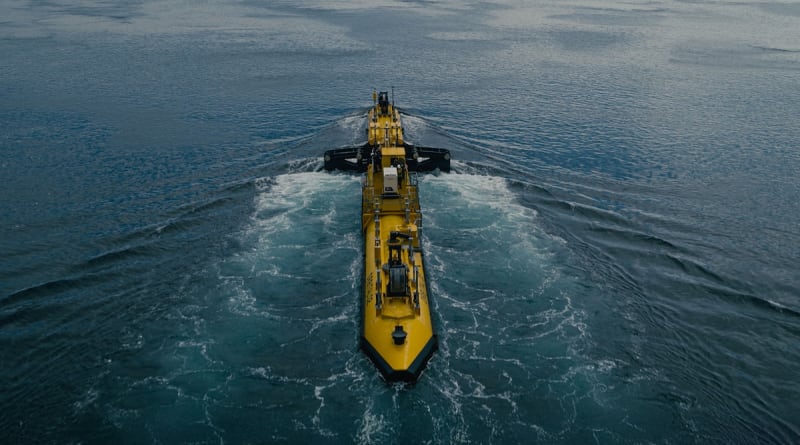
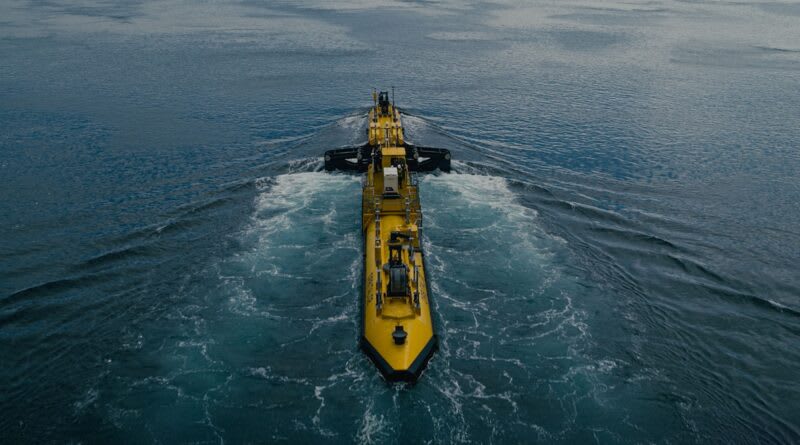
The timing matters because America has been playing catch-up while other countries race ahead. Washington State utility OPALCO is currently applying for a federal license to test a turbine from Scottish firm Orbital Marine Power, but that's one of just a handful of American projects.
Verdant Power's demonstration project in New York City's East River has been testing underwater turbines that look like small wind turbines. The company has used the site to develop unique mounting systems and advanced materials aimed at driving down costs.
The Ripple Effect
This digital twin technology could ripple far beyond one university lab. The research builds on work from the Atlantic Marine Energy Center, a Department of Energy consortium connecting universities from New Hampshire to North Carolina.
That collaboration means innovations developed at Stony Brook can spread quickly to research teams studying waves, currents, and tides all along America's East Coast. The Department of Energy estimates marine energy could provide nearly 60% of total US electricity needs if even a fraction of its technical potential gets captured.
Across the Atlantic, the global industry isn't waiting. UK firm HydroWing just secured funding for an additional 10 megawatts at its Welsh project, bringing the total to 30 megawatts. When completed in 2030, the facility will deploy 18 turbines and become the world's largest tidal energy project.
America may be starting from behind, but with new tools to design faster and build smarter, the race to harness ocean power is just getting started.
More Images

Based on reporting by CleanTechnica
This story was written by BrightWire based on verified news reports.
Spread the positivity!
Share this good news with someone who needs it