US Unemployment Claims Hit 6-Month Low as Jobs Stay Strong
Fewer Americans are filing for unemployment benefits than at almost any time in decades, showing workers are keeping their jobs despite headlines about layoffs. People who lose jobs are also finding new ones faster than they have in years.
📺 Watch the full story above
Americans looking for work are getting good news this week. Unemployment claims just dropped to their lowest point since September, signaling that the job market remains surprisingly healthy despite some high-profile layoff announcements making headlines.
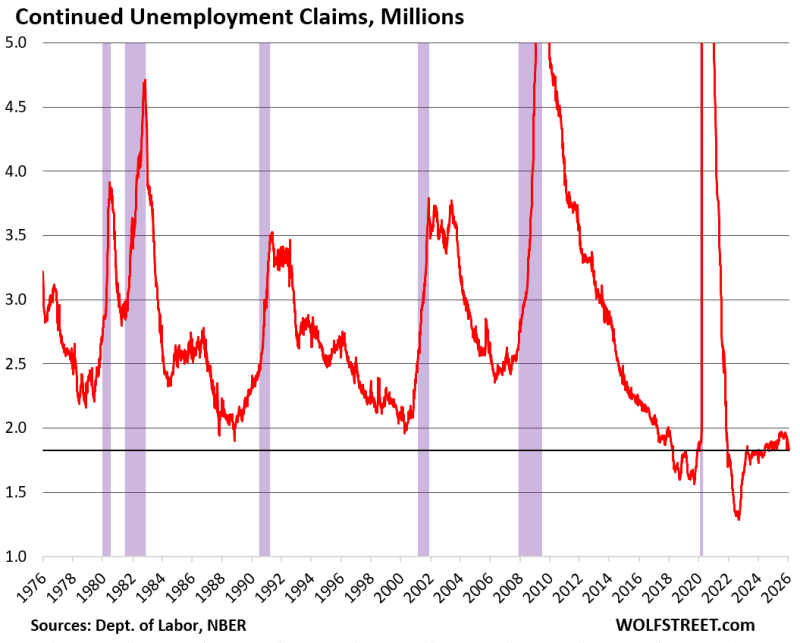
The numbers tell an encouraging story. Just 1.8 million people are currently receiving unemployment benefits after losing their jobs, down from nearly 2 million last July. That's a drop of 141,000 people who've successfully moved off unemployment rolls.
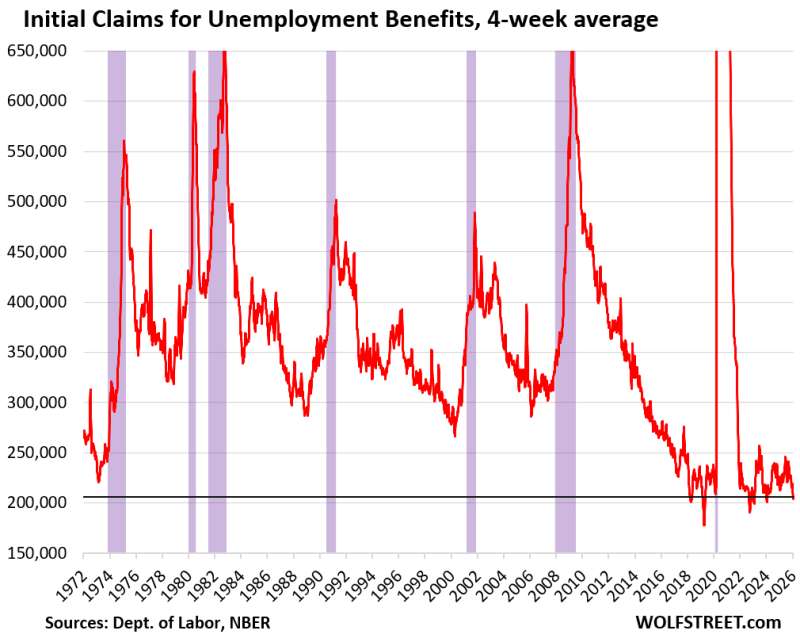
New unemployment applications fell to 209,000 last week, one of the lowest levels seen in over 50 years. When smoothed out over four weeks to account for weekly ups and downs, the numbers show employers are holding onto their workers at rates rarely seen in modern history.
The data comes directly from state unemployment offices, not surveys or estimates. These are real people filing real claims, making the picture particularly reliable.
Yes, some major companies are announcing layoffs. Amazon, Home Depot, and others have made headlines with workforce reductions. But the overall numbers reveal something different: most American employers are actually clinging to their employees rather than letting them go.
Home Depot's announcement today illustrated an interesting twist. The company said it would lay off 800 workers, mostly remote employees, while requiring everyone else to return to the office five days a week starting April 6. Some of these "layoffs" may simply be reshuffling workers to different roles.
The Bright Side
The tight job market means something important for everyday workers. People who do lose jobs aren't staying unemployed for long. While it takes slightly longer to find work than during the extreme labor shortages of 2021 and 2022, it's still faster than nearly any other period in the past 50 years.
There's also less job hopping happening now. During the pandemic years, workers frequently quit to take better positions elsewhere, creating constant openings. That churn has calmed down, which means fewer sudden vacancies but also more workplace stability for people who value keeping their current jobs.
The shift in immigration patterns may be playing a role too, with some sectors experiencing labor scarcity as fewer foreign-born workers enter the country. This could actually create more opportunities for job seekers in certain industries struggling to fill positions.
For anyone worried about the economy, these numbers offer genuine reassurance that the foundation remains solid where it matters most: people keeping their paychecks and finding new work when they need it.
More Images

Based on reporting by Google News - Unemployment Drops
This story was written by BrightWire based on verified news reports.
Spread the positivity!
Share this good news with someone who needs it