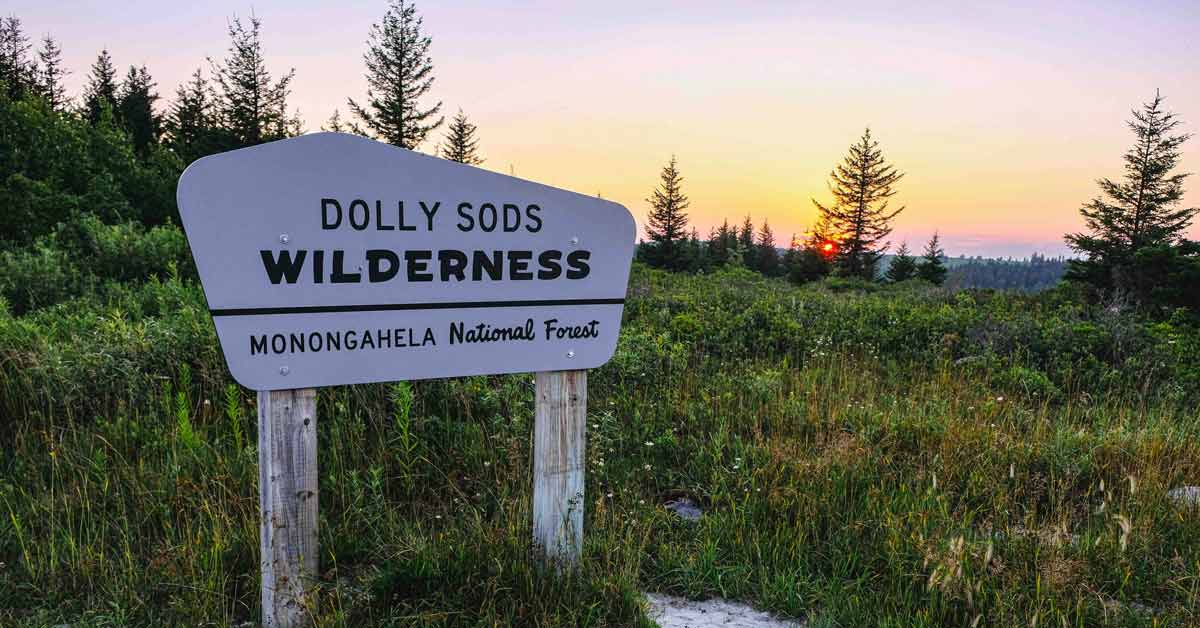
U.S. Wilderness Protection Gets Climate-Smart Upgrade
Scientists say America's 110 million acres of protected wilderness may need active care, not just preservation, to survive climate change. Indigenous land management practices are showing the way forward.
Protecting wilderness might mean getting our hands dirty, and that's actually good news for America's wild places.
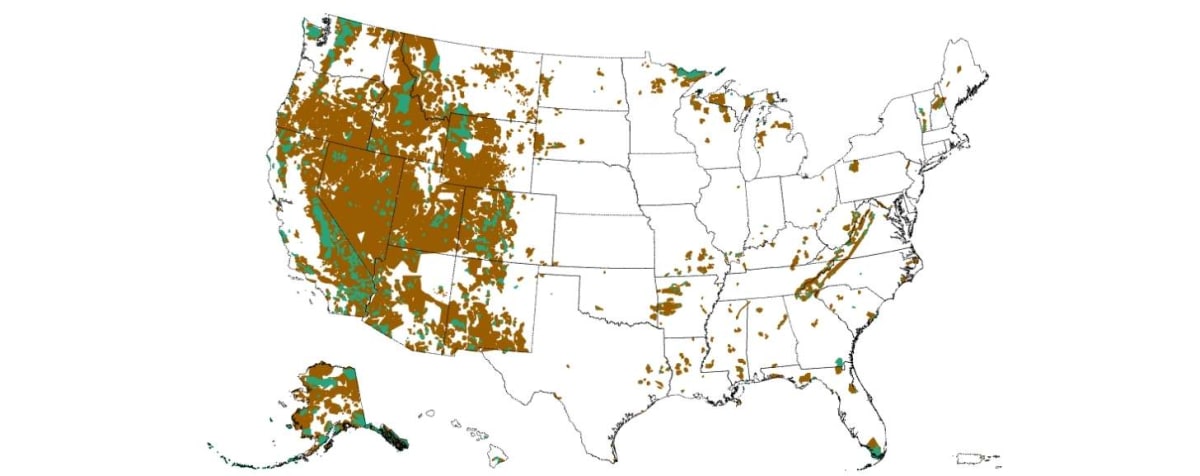
Scientists are rethinking how to safeguard the 110 million acres of federally protected wilderness across the United States. New research suggests that simply leaving these lands untouched may not be enough to protect them from climate change and increasingly severe wildfires.
The shift represents a major change from the 1964 Wilderness Act, which directed these areas to remain "untrammeled by man." For decades, that meant minimal human intervention in places like New Mexico's Gila Wilderness and Minnesota's Boundary Waters Canoe Area.
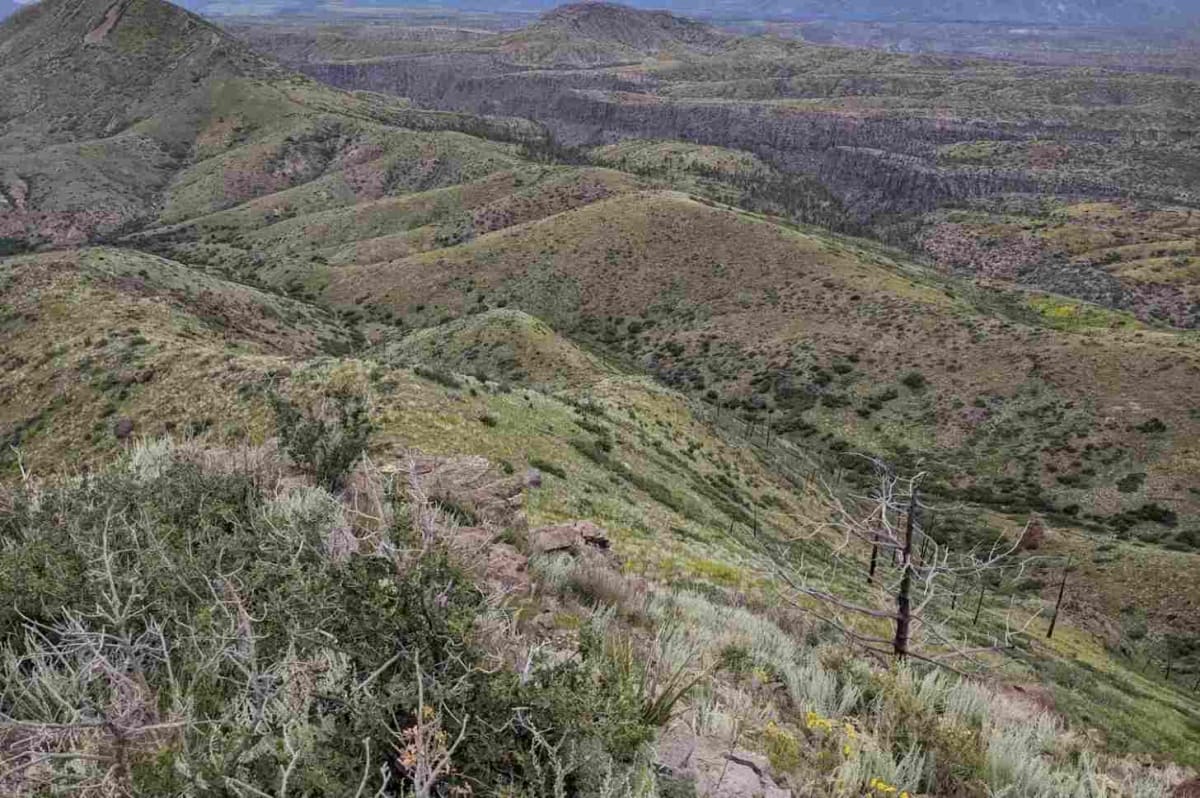
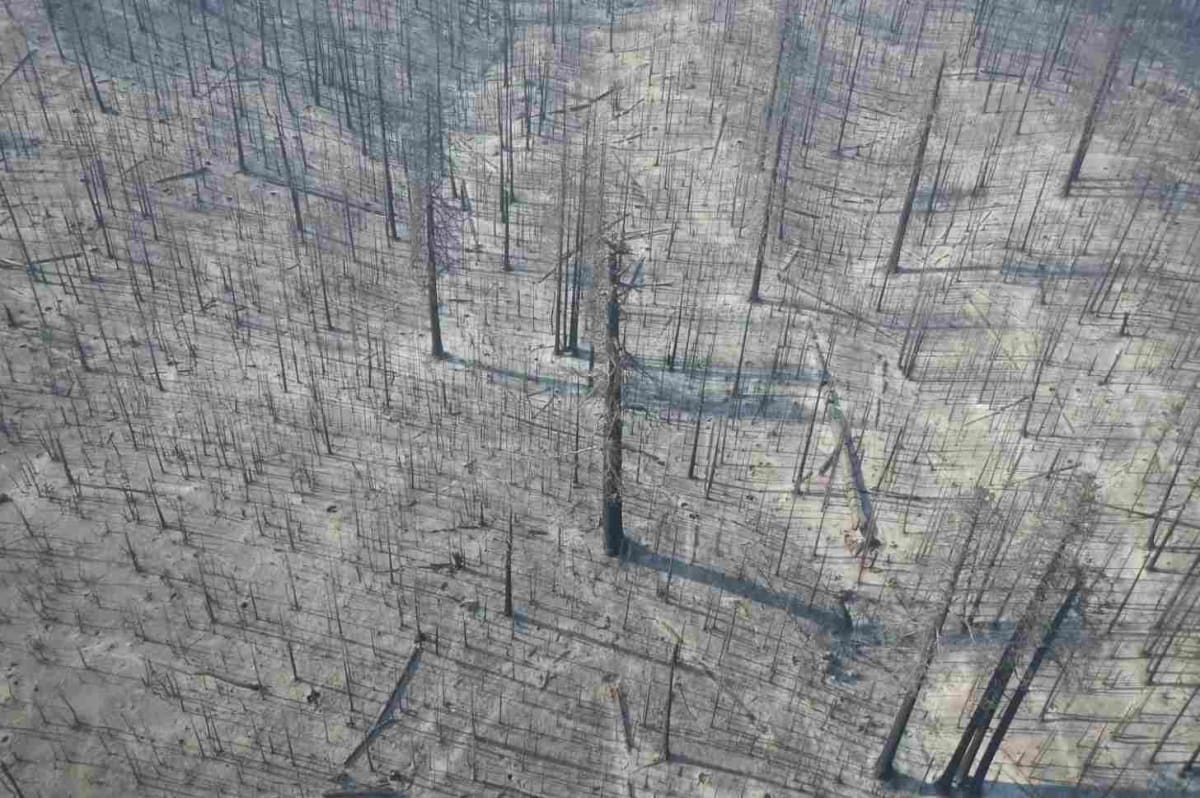
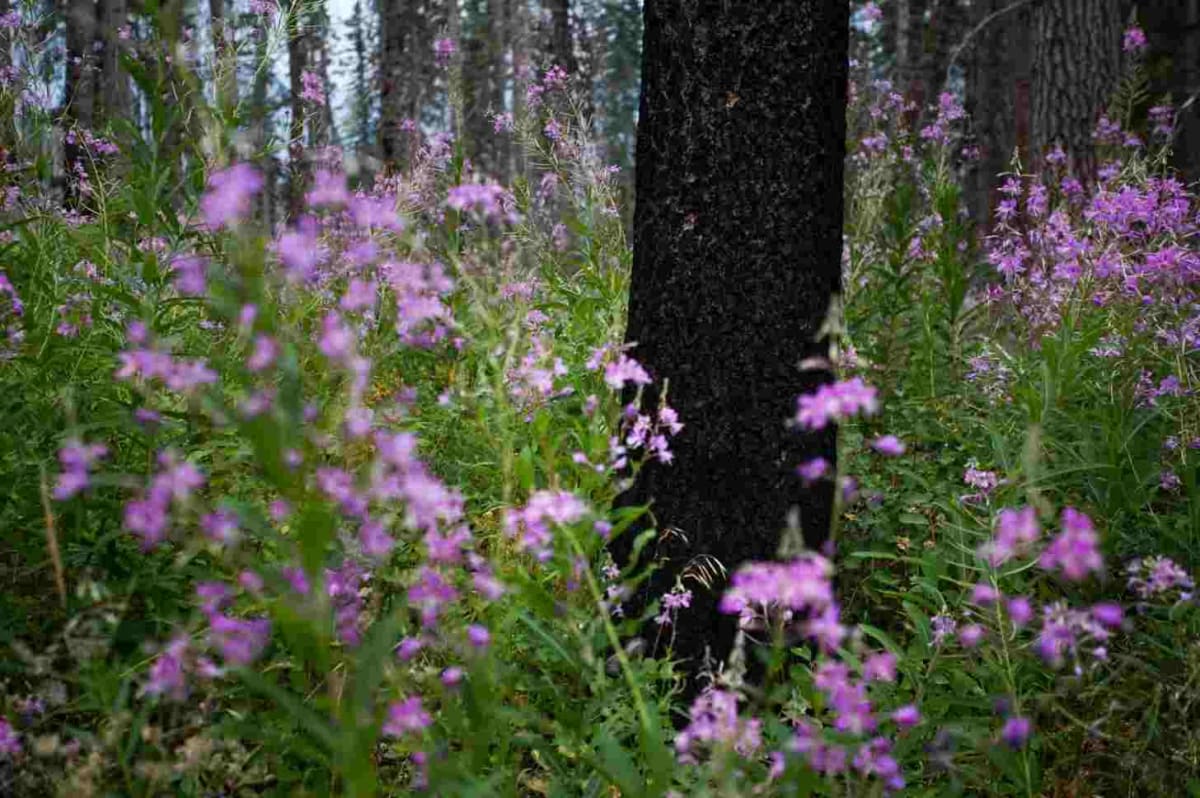
But climate change has disrupted historical patterns, particularly with fire. The 2020 Castle Fire in California killed up to 14% of all Sierra Nevada sequoia trees in a single burn. In New Mexico's Dome Wilderness, repeated intense fires have transformed entire forests into shrublands.
The solution may lie in practices Indigenous peoples used for thousands of years. Northwest tribes regularly burned huckleberry fields in what's now Washington's Indian Heaven Wilderness, increasing plant abundance. In Alaska's Lake Clark National Park, the Inland Dena'ina people maintained vast trail networks and carefully managed the landscape.
These traditional practices included controlled burning that kept fires frequent but less severe. When fire suppression became standard policy, forests accumulated decades of fuel, setting the stage for today's catastrophic blazes.
Researchers now recognize prescribed burning as an effective strategy to prevent devastating fires. Some wilderness areas already allow lightning-ignited fires to burn under careful oversight, proving that selective intervention can work.
The approach acknowledges a powerful truth: many wilderness areas were never truly untouched. They were home to Indigenous peoples who actively tended the land, creating the healthy ecosystems we now seek to protect.
The Bright Side
This shift in thinking does more than protect forests and wildlife. It represents growing respect for Indigenous knowledge and the recognition that preservation sometimes requires participation.
Several wilderness areas are already experimenting with more active management while maintaining strict protections against logging, mining, and development. The Selway-Bitterroot Wilderness in Idaho and Montana allows many lightning-ignited fires to burn with careful management, maintaining ecological health.
The change also opens doors for Indigenous communities to reclaim stewardship roles on their ancestral lands. Incorporating traditional ecological knowledge into wilderness management could help these precious landscapes thrive for generations to come.
America's wild places are getting a chance at a more resilient future, guided by wisdom that's been here all along.
More Images
Based on reporting by Good Good Good
This story was written by BrightWire based on verified news reports.
Spread the positivity!
Share this good news with someone who needs it

%2Ffile%2Fattachments%2F2998%2F14147038_376896.jpg)